A heavy-duty truck is designed to handle demanding workloads, but even the toughest vehicles require routine maintenance to perform safely and efficiently. One of the most overlooked services is big truck wheel alignment, which directly affects steering, tire life, fuel economy, and overall handling. Ignoring early warning signs can lead to expensive repairs, increased downtime, and unsafe driving conditions.
Whether you operate a single work truck or manage an entire fleet, recognizing alignment issues early can help protect your investment. Below are five common signs that indicate it’s time for a professional steering inspection and truck wheel alignment.
Why Big Truck Wheel Alignment is Critical for Heavy-Duty Performance
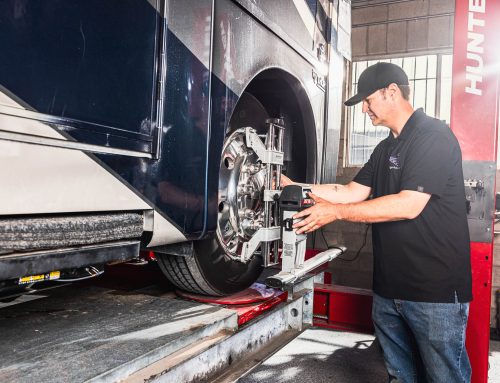
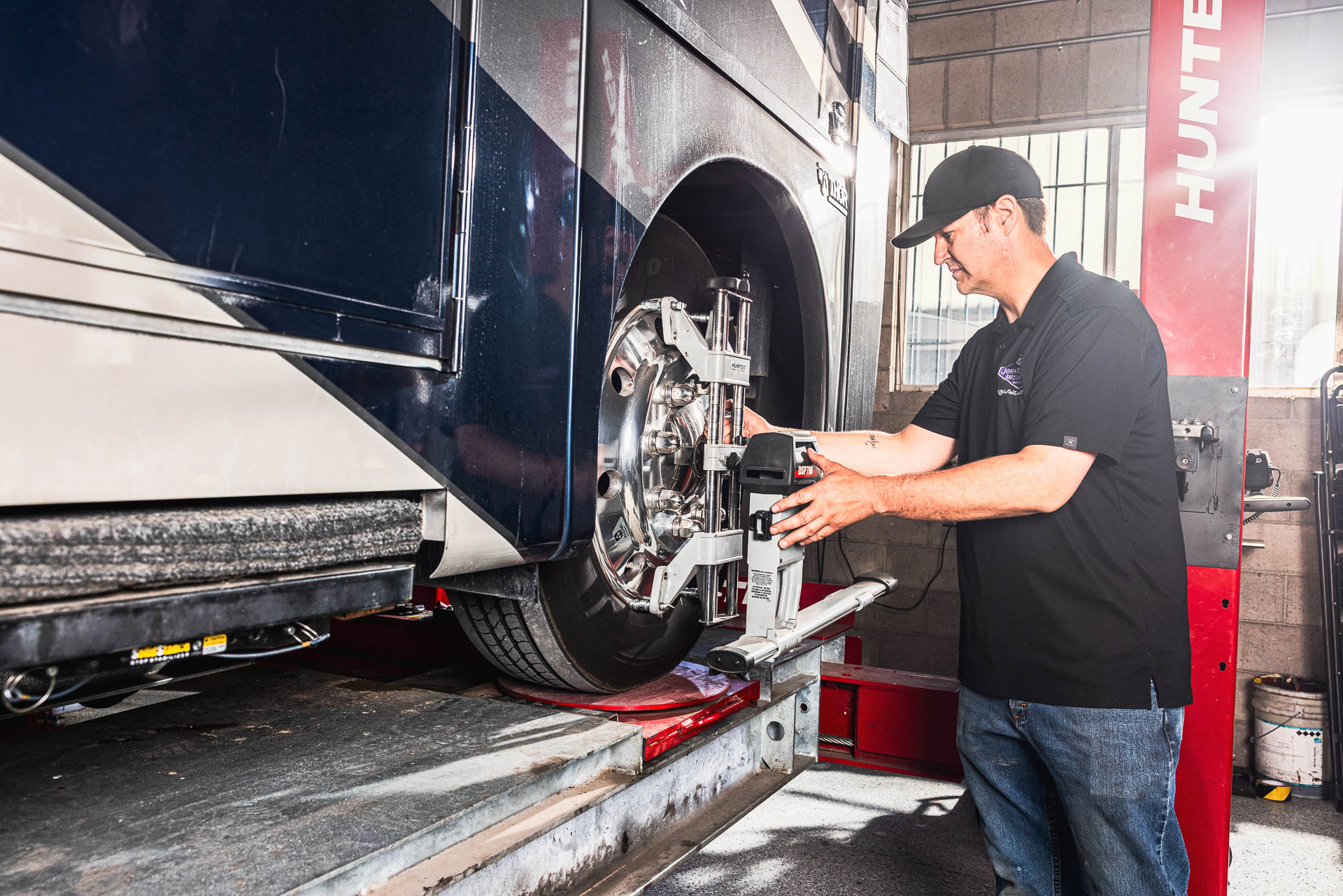
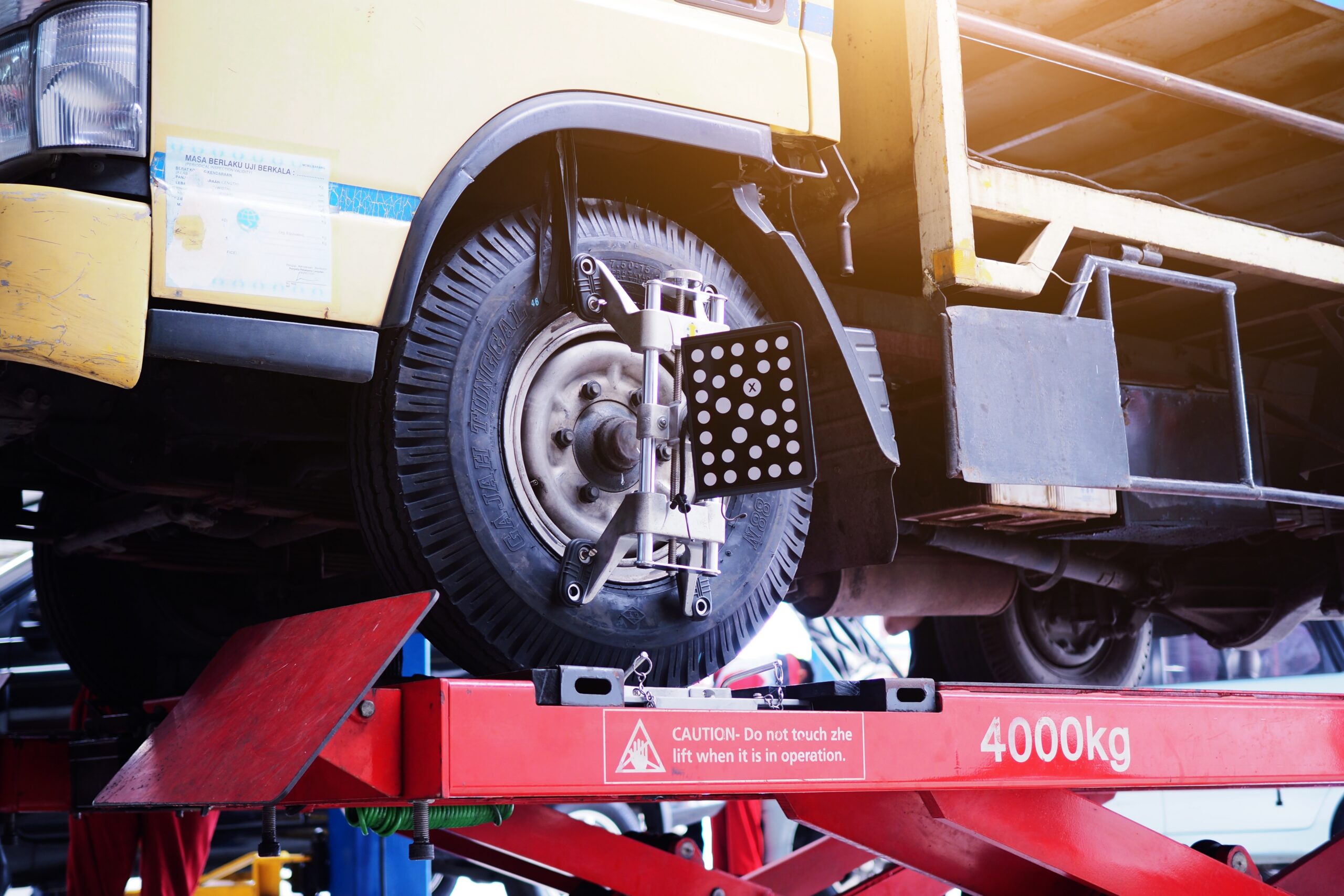
A big truck wheel alignment ensures every wheel is positioned according to manufacturer specifications so your truck can travel safely and efficiently. Proper alignment doesn’t only involve adjusting the direction of the tires—it also includes evaluating steering geometry and suspension components.
During a professional alignment service, technicians inspect important measurements such as:
- Wheel alignment toe settings
- Caster angles
- Positive camber
- Negative camber
- Steering components
- Suspension condition
- Overall axle positioning
Because alignment refers to the relationship between your wheels, suspension, and steering system, even small deviations can create noticeable handling problems. Misaligned wheels increase stress on suspension components, shorten tire life, and reduce vehicle stability – especially under heavy loads.
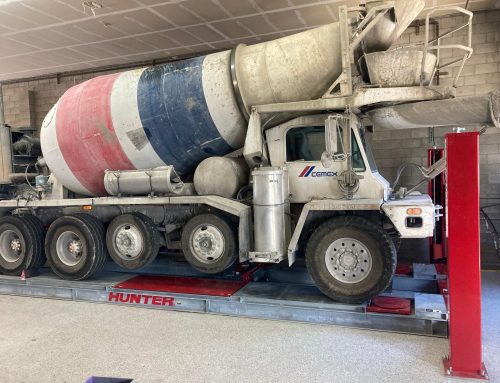
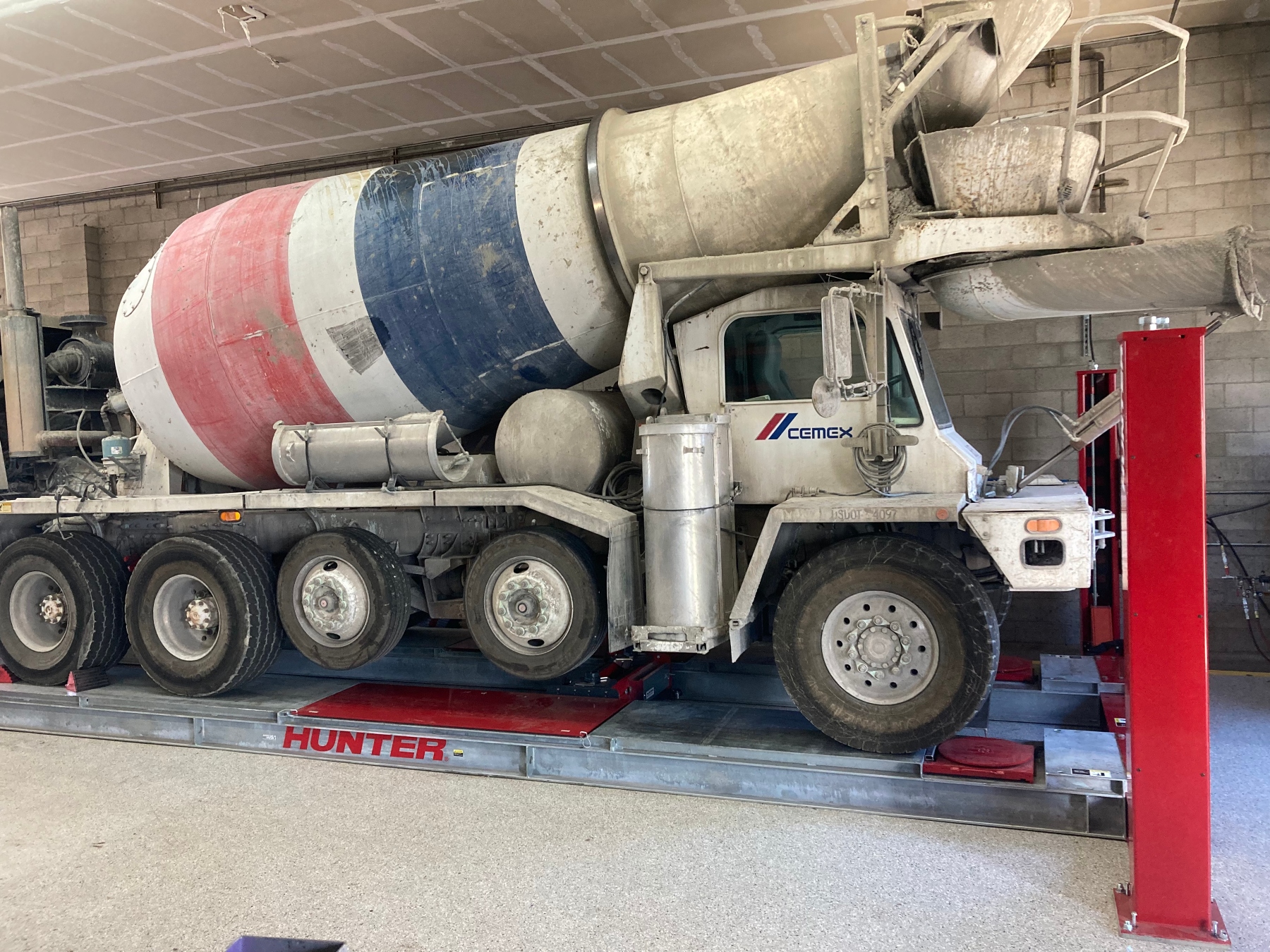
For commercial vehicles equipped with additional axles, services such as truck alignment with drop axles are equally important to maintain balanced weight distribution and predictable handling.
5 Critical Warning Signs Your Truck Needs an Alignment and Steering Check
Not every alignment problem begins with obvious steering difficulties. Many issues develop gradually, making routine alignment checks essential for preventing costly repairs.
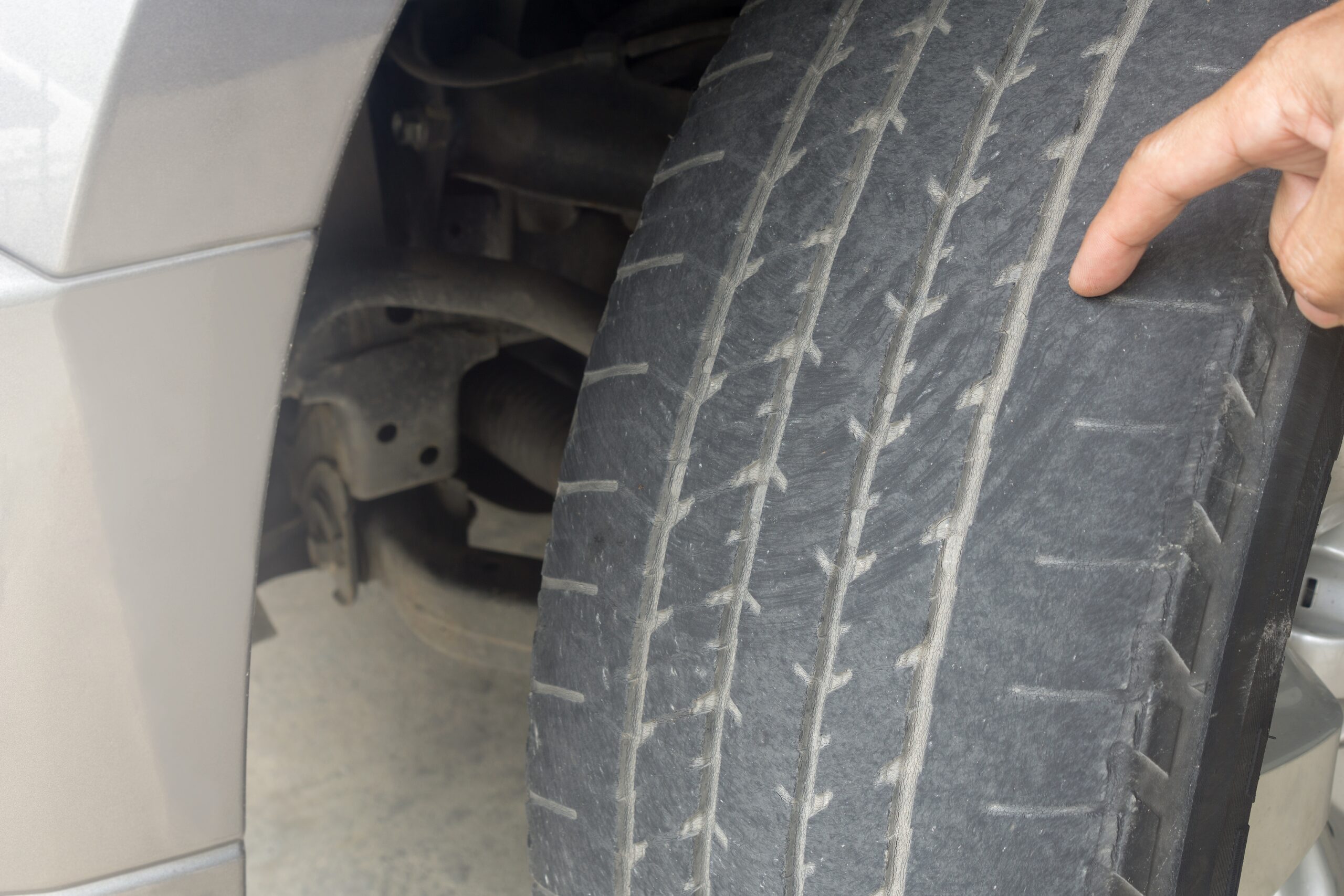
Sign 1: Rapid or Uneven Tire Wear (Feathering and Cupping)
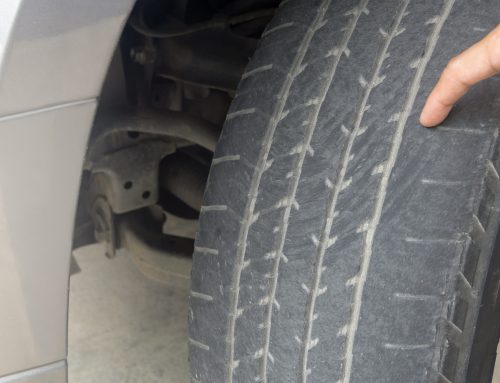
One of the earliest signs of alignment problems is uneven tire wear. Instead of wearing evenly across the tread, tires may develop irregular surfaces, feathered edges, or cupping patterns.
Common wear patterns include:
- Feathering along tread edges
- Cupping or scalloped tread
- Excessive shoulder wear
- Premature tire wear on one side
- Irregular tire wear across multiple tires
When the wheel alignment toe, camber, or caster settings fall outside manufacturer specifications, tires scrub against the pavement rather than rolling smoothly. This not only shortens tire lifespan but also compromises traction and braking performance.
A professional semi truck wheel alignment helps restore proper tire contact with the road, extending tire life and improving safety.
Sign 2: The Truck Pulls or Drifts to One Side
If your truck pulls to one side while driving on a level road, your steering or alignment system should be inspected immediately.
Many drivers instinctively compensate by constantly correcting the steering wheel, but this creates unnecessary fatigue during long trips.
Possible causes include:
- Misaligned front axle
- Incorrect caster settings
- Uneven suspension wear
- Tire pressure differences
- Worn steering components
With a correct alignment, your truck should drive straight with minimal steering correction. Persistent pulling indicates the steering geometry is no longer properly balanced and should be addressed before additional suspension or tire damage occurs.
Sign 3: An Off-Center or Crooked Steering Wheel
Your steering wheel should remain centered when driving straight. If the wheel appears crooked even though the truck travels forward normally, it’s often an indication that alignment adjustments are necessary.
This symptom commonly develops after:
- Hitting potholes
- Striking curbs
- Carrying heavy loads regularly
- Suspension repairs
- Normal suspension wear over time
A professional truck wheel alignment restores steering wheel position while ensuring all steering components work together correctly. This improves both driver comfort and overall vehicle control.
Sign 4: Steering Wheel Vibration or Play in the Column
Experiencing steering wheel vibration at highway speeds or excessive looseness in the steering column should never be ignored.
Although tire balance can contribute to vibration, alignment problems frequently play a significant role, especially when combined with worn suspension components.
Signs to watch for include:
- Steering wheel shaking at certain speeds
- Excessive steering play
- Delayed steering response
- Wandering while driving
- Difficulty maintaining lane position
Professional technicians inspect more than alignment settings alone. They also evaluate steering linkage, suspension joints, and axle components to identify the root cause before performing necessary truck alignments.
Sign 5: Increased Rolling Resistance and Decreased Fuel Mileage
A less obvious consequence of poor alignment is reduced fuel efficiency.
When your wheels are no longer aligned correctly, the tires create additional rolling resistance against the road surface. Instead of rolling freely, they drag slightly across the pavement, forcing the engine to work harder.
Over time, increased rolling resistance may lead to:
- Higher fuel consumption
- Faster tire replacement
- Added stress on suspension parts
- Reduced drivetrain efficiency
- Increased operating costs
For businesses operating commercial fleets, maintaining a regular big truck wheel alignment schedule can significantly reduce long-term operating expenses while improving vehicle performance.
The Long-Term Benefits of Regular Semi Truck Wheel Alignment
Routine semi truck wheel alignment is one of the most cost-effective maintenance services available for heavy-duty vehicles. Rather than waiting for steering problems to appear, preventative alignments help maintain safe operation and protect expensive components.
Some of the long-term advantages include:
- Improved fuel efficiency
- Longer tire lifespan
- Reduced premature tire wear
- Better steering response
- Improved vehicle stability
- Reduced rolling resistance
- Better suspension performance
- More predictable handling under heavy loads
- Lower maintenance costs
- Increased driver comfort
Professional technicians also verify wheel alignment, toe, caster angles, positive camber, and negative camber settings while inspecting suspension components for wear. These precise adjustments ensure your truck maintains proper alignment under normal operating conditions.
For specialized commercial vehicles, including those equipped with lift axles, scheduling a truck alignment with a drop axle helps ensure every axle works together for optimal stability, tire performance, and load distribution.
Preventive maintenance not only improves daily driving but also minimizes unexpected downtime that can disrupt operations.
Scheduling a Professional Truck Wheel Alignment Service Today!
Don’t let steering problems, uneven tire wear, or reduced fuel efficiency impact your truck’s performance. At John’s Spring and Suspension, our experienced technicians provide precise big truck wheel alignment services, including truck alignment with drop axle, to keep your vehicle operating safely and efficiently. Contact us today to schedule a professional inspection and help extend the life of your suspension, steering system, and tires.