Highlights
- Routine inspections and preventive maintenance help commercial vehicles remain safe, reliable, and ready for daily operations.
- Monitoring tires, brakes, suspension components, and fluid levels can help identify mechanical problems before they become costly repairs.
- Addressing warning signs early and scheduling professional truck and trailer repairs can reduce unexpected downtime.
- Maintaining service records and preparing for changing road conditions supports long-term vehicle performance and operational efficiency.
Commercial vehicles face demanding conditions every day, from transporting heavy loads to traveling long distances across changing road surfaces. Whether operating a single work truck or managing an entire fleet, keeping vehicles in dependable condition is essential for protecting drivers, meeting delivery schedules, and avoiding unexpected disruptions.
Even minor mechanical issues can develop into serious problems when overlooked. Worn suspension components, improperly inflated tires, and neglected maintenance can affect vehicle handling, efficiency, and overall safety. Establishing consistent inspection routines and scheduling truck and trailer repairs when needed helps businesses maintain reliable transportation.
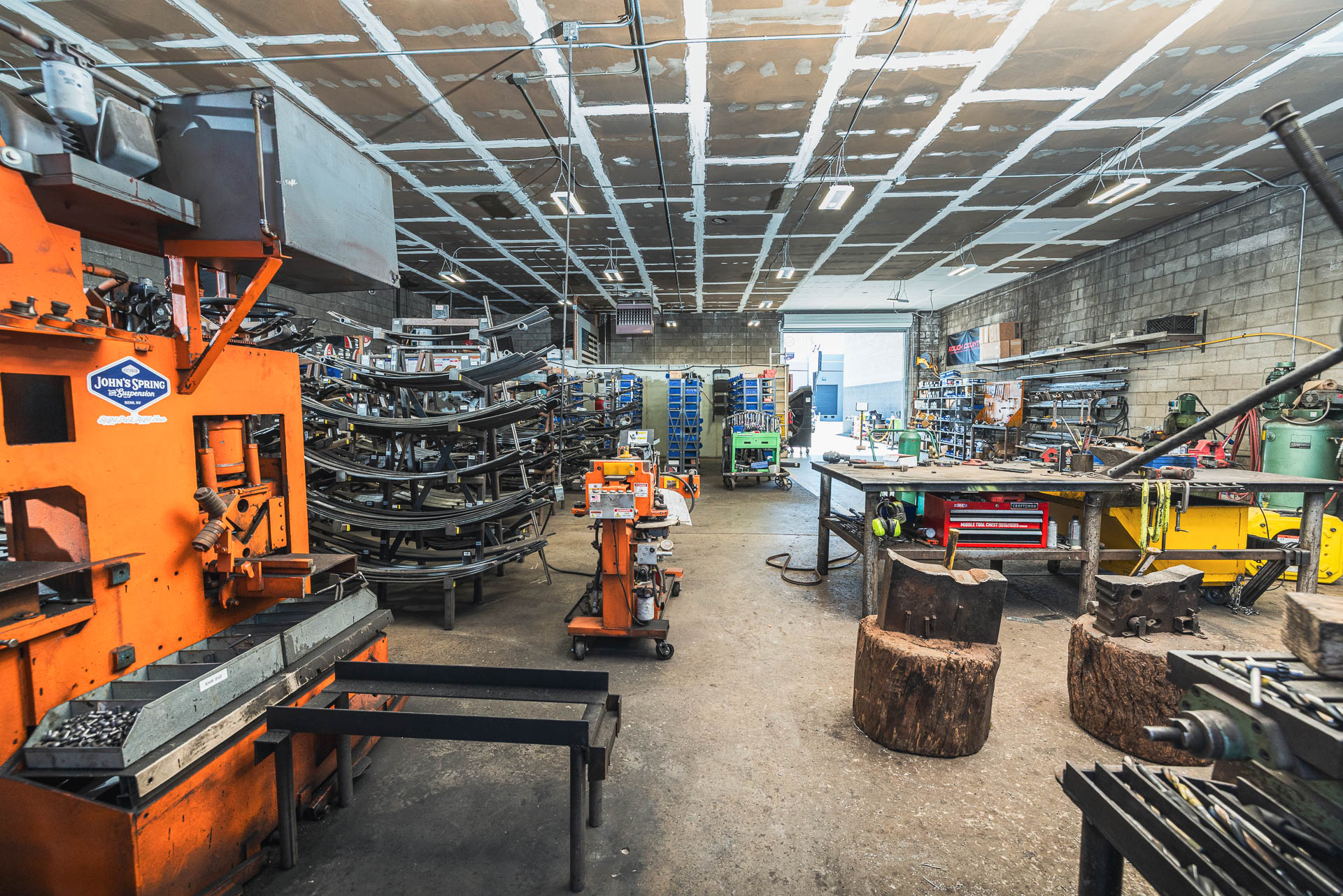
John’s Spring and Suspension understands the importance of dependable commercial vehicles. By focusing on preventive maintenance and recognizing potential problems early, operators can extend equipment life and keep their vehicles prepared for the demands of the road.
1. Perform Thorough Pre-Trip Inspections
Pre-trip inspections are among the most effective ways to identify potential safety concerns before a commercial vehicle begins its journey.
Check Essential Vehicle Components
Drivers should examine important mechanical and safety systems before departure. A consistent inspection routine helps identify visible damage, leaks, loose components, and other concerns requiring attention.
Important areas to inspect include:
- Tires for proper inflation, uneven wear, and visible damage.
- Brakes for noticeable defects or performance concerns.
- Headlights, turn signals, and brake lights for proper operation.
- Mirrors, windshield wipers, and visibility equipment.
- Suspension components for damage or unusual movement.
Any significant issue should be addressed before operating the vehicle. Drivers should also report concerns clearly so maintenance personnel can determine whether professional service is necessary.
Document Problems Before Departure
Maintaining accurate inspection records helps businesses recognize recurring mechanical concerns. When drivers consistently document unusual noises, warning indicators, or handling changes, maintenance teams can investigate problems before they worsen.
2. Monitor Tire Condition and Pressure
Commercial vehicle tires support substantial weight while enduring constant friction, temperature changes, and varying road conditions. Proper tire maintenance contributes to predictable handling and dependable performance.
Inspect Tire Wear and Inflation
Drivers should check tire pressure using appropriate equipment and follow manufacturer recommendations for their vehicle and load configuration. Underinflated or damaged tires can create unnecessary operating risks.
Uneven tread wear may also indicate alignment problems, suspension wear, or improper load distribution. Rather than repeatedly replacing affected tires, operators should investigate the underlying cause.
Address Alignment Concerns Early
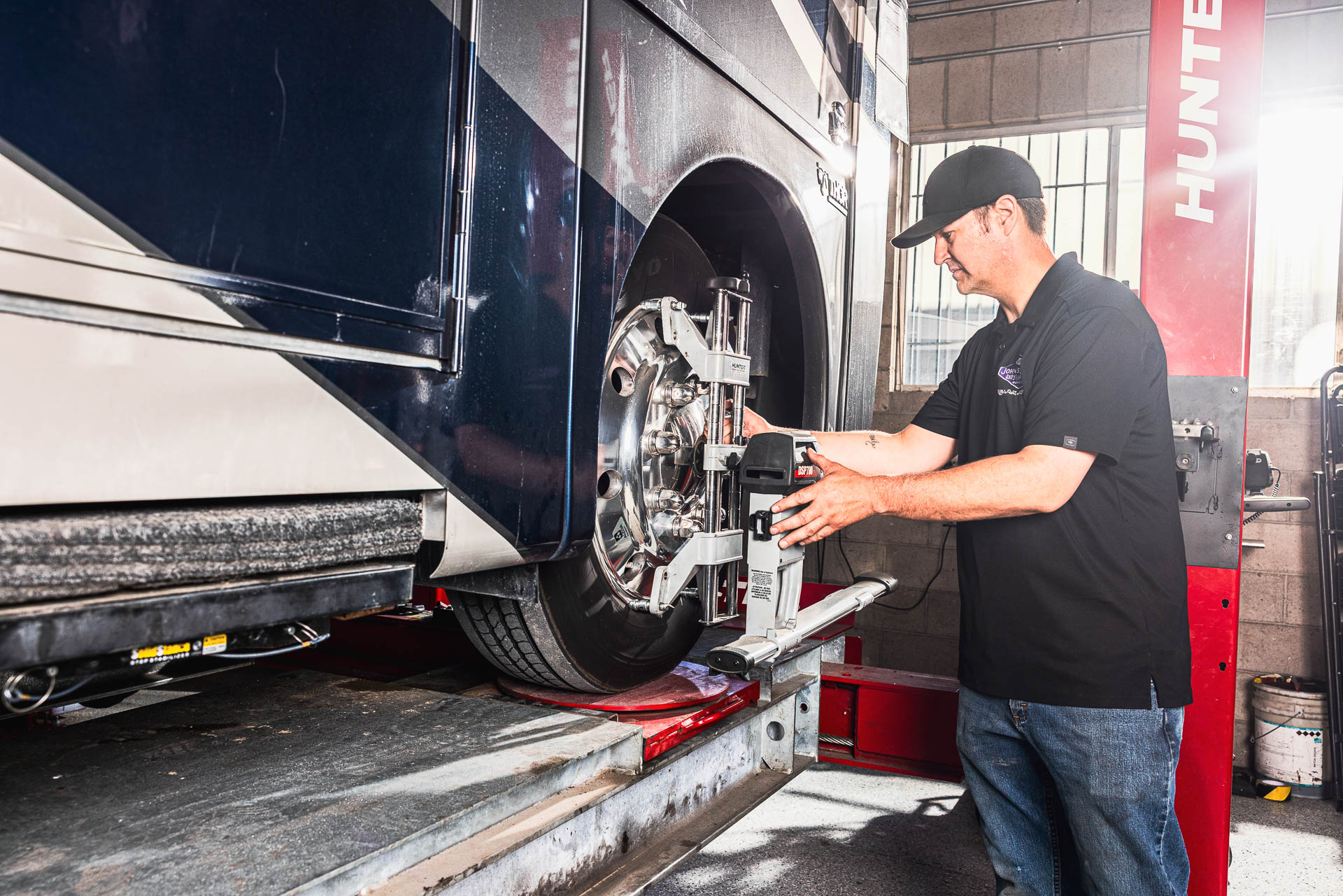
A vehicle that consistently pulls toward one side or experiences unusual steering behavior may require professional inspection. Alignment concerns can place additional stress on tires and steering components.
Scheduling appropriate truck and trailer repairs helps identify mechanical issues contributing to premature wear and supports more consistent vehicle handling.
3. Maintain Braking Systems for Reliable Stopping
Commercial vehicles require dependable braking performance, particularly when transporting heavy cargo or navigating congested highways.
Recognize Common Brake Warning Signs
Drivers should remain alert to changes in braking response, unusual sounds, air pressure concerns, or warning indicators. These symptoms may signal components requiring immediate professional attention.
According to the Commercial Vehicle Safety Alliance, 23.5% of commercial vehicles inspected were taken out of service due to serious safety violations.
Schedule Professional Brake Inspections
Brake systems contain components that require specialized inspection and maintenance. Qualified technicians can evaluate wear, identify damaged parts, and recommend appropriate corrective work.
Businesses should never postpone repairs involving compromised braking performance. Addressing these concerns promptly helps protect drivers, cargo, and other motorists.
4. Inspect Suspension and Steering Components
Suspension and steering systems influence vehicle stability, handling, and overall driving comfort. Their condition becomes particularly important when commercial vehicles regularly transport substantial loads.
Watch for Suspension Wear
Common warning signs include excessive bouncing, uneven vehicle height, unusual vibrations, and difficulty maintaining consistent steering control.
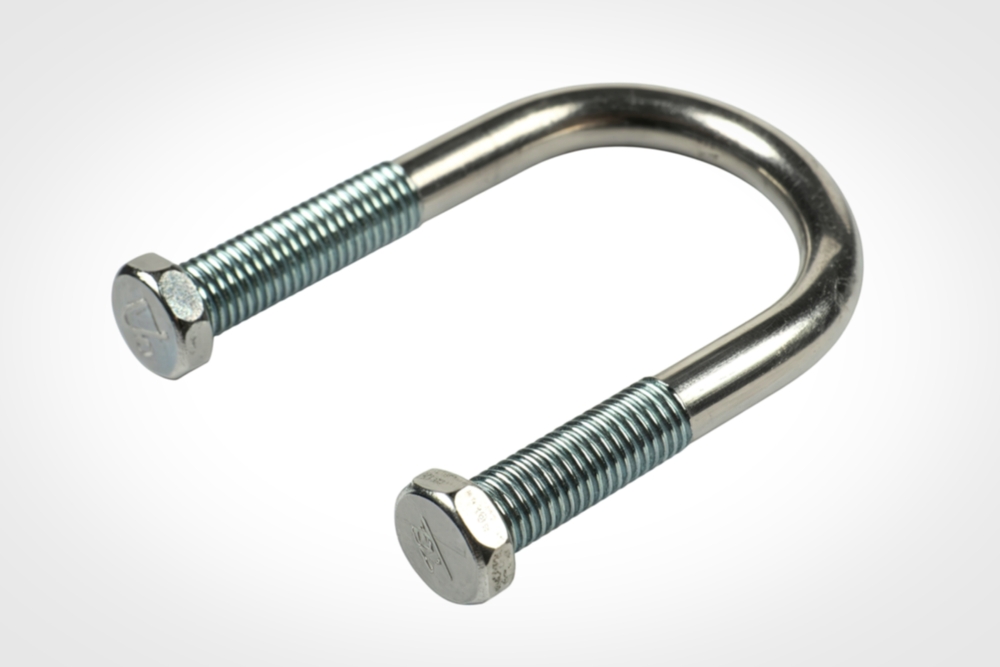
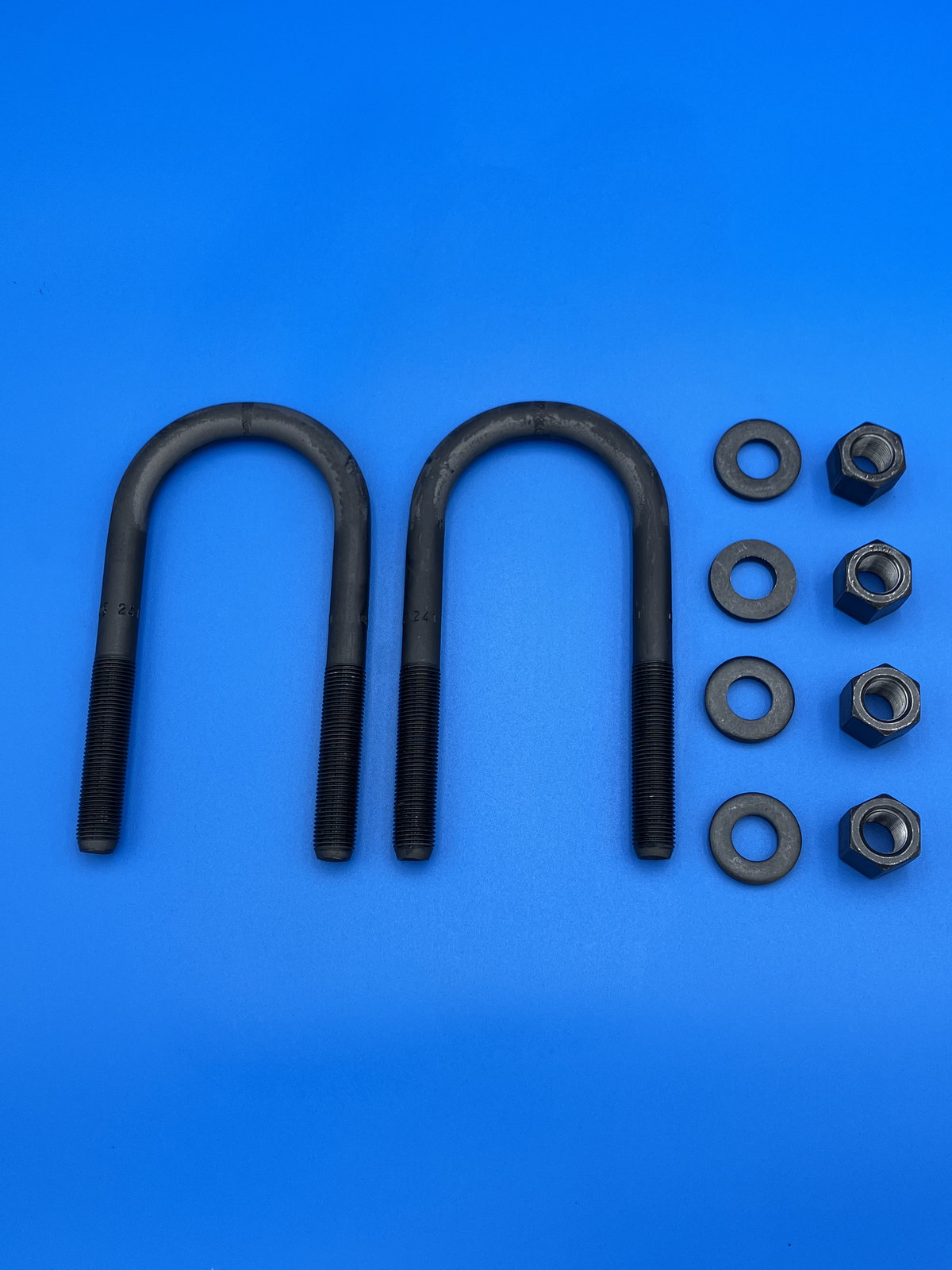
Leaf springs, shocks, bushings, and related components should be inspected for visible damage or deterioration. Problems affecting these systems can influence tire wear and place additional strain on connected equipment.
Address Handling Problems Professionally
John’s Spring and Suspension helps commercial vehicle operators understand the importance of maintaining dependable suspension performance.
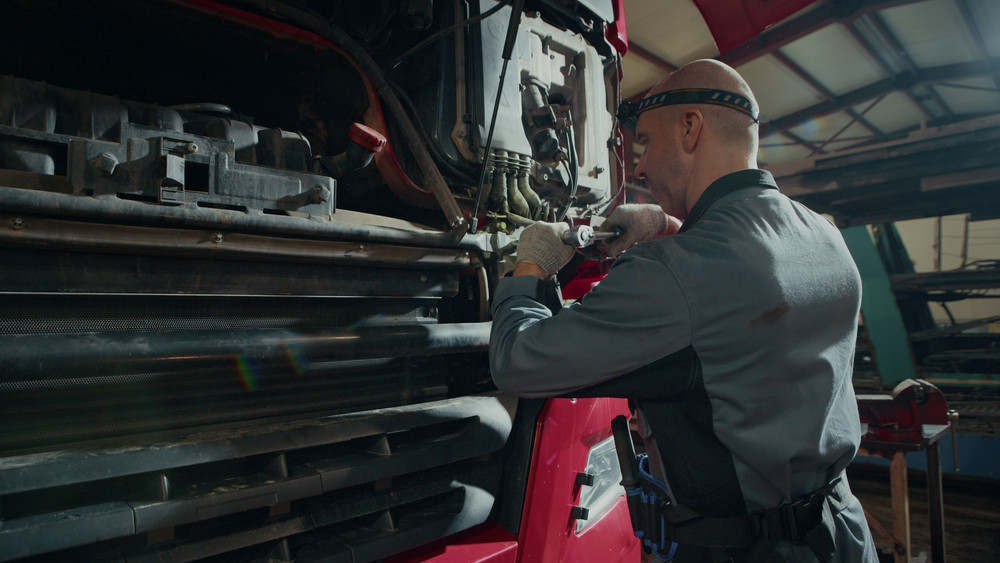
When steering or suspension concerns develop, professional truck and trailer repairs can help restore proper functionality and prevent additional mechanical complications. Operators should avoid assuming that persistent vibrations or handling changes are normal consequences of transporting heavy loads.
5. Check Fluid Levels and Engine Performance
Engine performance depends on proper lubrication, cooling, and regular maintenance. Neglecting these areas can lead to mechanical problems that interrupt business operations.
Monitor Essential Fluids
Operators should regularly check engine oil, coolant, transmission fluid, and other fluids specified by the manufacturer. Unusual fluid consumption, visible leaks, or changes in engine temperature deserve prompt attention.
Drivers should also monitor dashboard warning lights and report unfamiliar engine sounds.
Follow Recommended Maintenance Intervals
Commercial vehicles operate under different conditions, making manufacturer maintenance schedules especially important. Vehicles carrying heavy loads or operating in demanding environments may require additional attention.
Consistent servicing helps operators identify developing problems and plan necessary maintenance before equipment failures disrupt scheduled routes.
6. Examine Trailer Connections and Load Security
A properly maintained truck must also be paired with a safe, dependable trailer. Connections, structural components, and cargo security deserve careful attention.
Inspect Coupling and Trailer Components
Before departure, drivers should inspect coupling mechanisms, safety connections, electrical wiring, and trailer lighting. Visible damage or improperly secured connections should be corrected immediately.
Trailer suspension components also deserve regular attention, particularly when equipment frequently transports heavy or unevenly distributed loads.
Verify Proper Cargo Distribution
Cargo should be secured according to applicable requirements and distributed within the vehicle’s rated capacities.
Improper loading can affect handling, braking, and suspension performance. Drivers should confirm that cargo restraints remain secure and that the vehicle operates within its permitted weight limits.
7. Establish a Preventive Maintenance Schedule
A consistent maintenance schedule helps businesses avoid relying exclusively on repairs after mechanical problems occur.
Track Maintenance and Repair History
Detailed records should document inspections, completed services, replacement components, and recurring concerns.
Reviewing these records allows fleet managers to identify maintenance patterns and coordinate service appointments around operational needs.
Partner With Experienced Repair Professionals
Working with knowledgeable technicians helps operators address mechanical concerns efficiently.
Professional truck and trailer repairs can support vehicle reliability by identifying worn components and correcting problems before they affect additional systems.
Keep Your Commercial Vehicles Road-Ready With John’s Spring and Suspension
Maintaining commercial vehicles requires consistent inspections, preventive maintenance, and timely attention to mechanical concerns. Taking a proactive approach helps businesses protect equipment, support driver safety, and reduce unexpected interruptions.
When suspension concerns or other vehicle maintenance needs arise, contact John’s Spring and Suspension to discuss professional service options and keep your commercial vehicles prepared for the road.
Frequently Asked Questions
Excessive bouncing, uneven ride height, unusual vibrations, and steering difficulties may indicate suspension problems. A qualified technician can inspect affected components and recommend appropriate repairs.
Brakes should be checked during routine vehicle inspections and according to applicable maintenance requirements. Unusual braking behavior, warning lights, or suspected defects require immediate professional evaluation.
John’s Spring and Suspension is a resource for commercial vehicle operators seeking assistance with suspension-related concerns. Professional evaluations and appropriate truck and trailer repairs help businesses prioritize dependable performance and vehicle safety.