Uneven tire wear is often one of the first visible signs that something is wrong underneath your truck. While many drivers assume the tires themselves are the problem, unusual tread wear frequently points to issues within the steering, suspension, or alignment system.
For work trucks, trailers, and commercial vehicles, ignoring these warning signs can lead to reduced tire life, poor handling, and unnecessary repair expenses. Understanding the most common uneven tire wear causes can help you identify problems early and protect both your vehicle and your maintenance budget.
Decoding the Most Common Uneven Tire Wear Causes on Your Truck
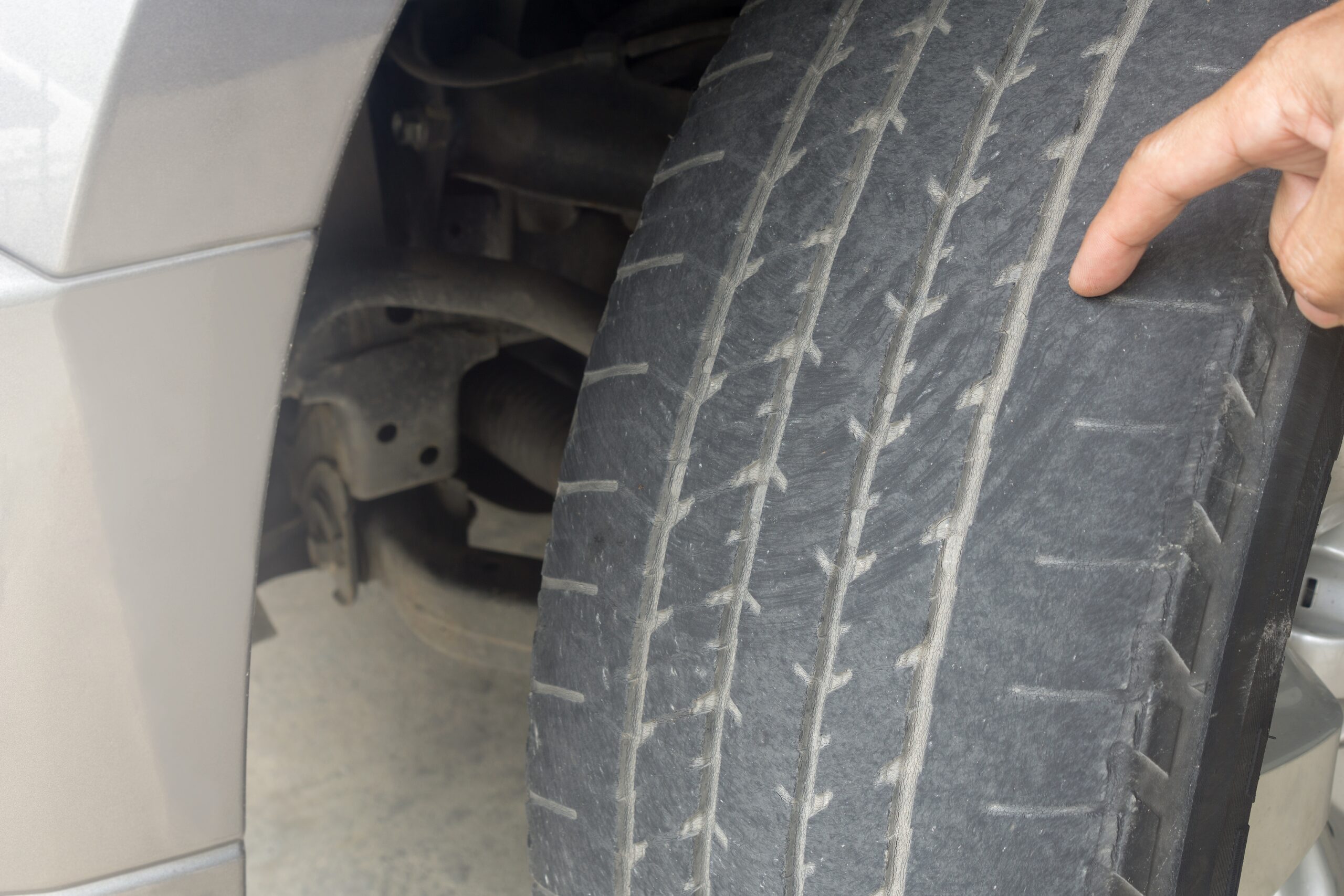
Your tires provide valuable clues about the condition of your vehicle. Different tire wear patterns often indicate specific mechanical issues, making tread inspections an important part of regular maintenance.
When tires wear unevenly, the cause is often linked to suspension components, steering parts, improper alignment, or poor weight distribution. Identifying the pattern can help narrow down the source of the problem before additional damage occurs.
Identifying Toe/Camber Wear on Your Front and Rear Axles
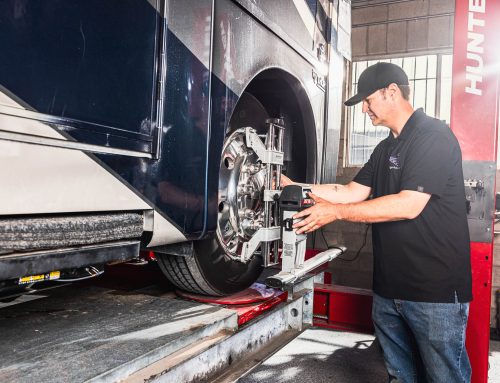
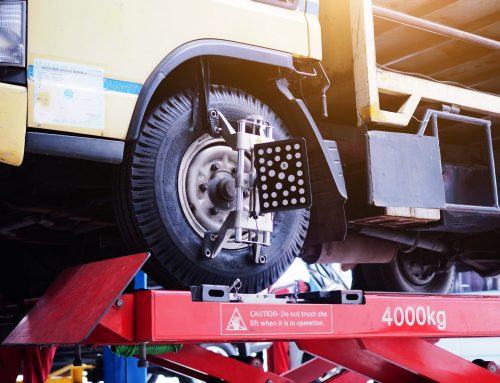
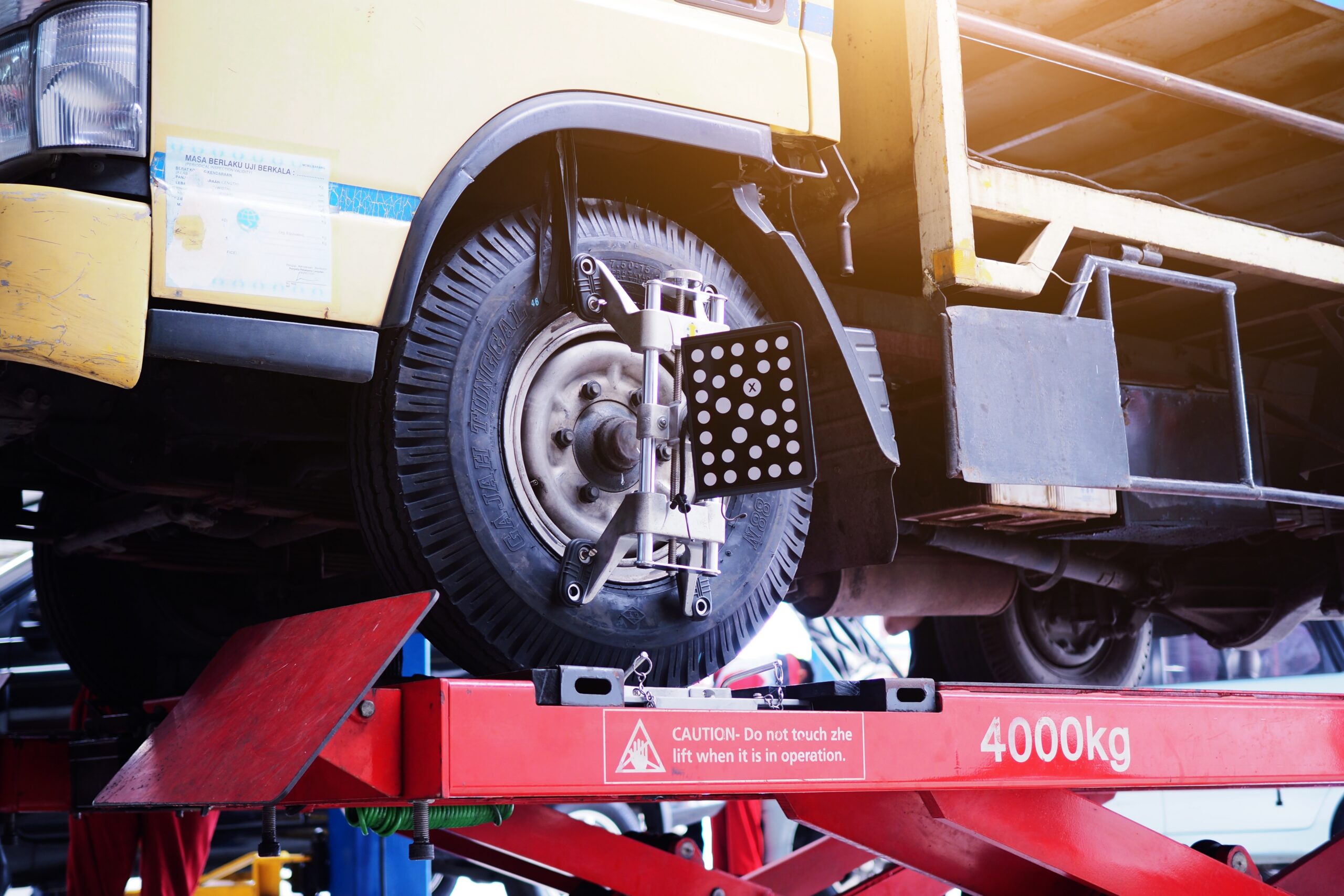
Alignment angles directly affect how your tires contact the road. When a vehicle is not properly aligned, the tread may wear excessively on one edge or develop uneven wear across the tire surface.
Toe and camber settings are two of the most common contributors to abnormal tire wear.
- Excessive toe can cause the tread to scrub against the pavement as the tires travel.
- Negative camber may create accelerated wear along the inside edge of the tire.
- Alignment changes can occur gradually as suspension parts wear over time.
Because both front and rear axles contribute to overall vehicle stability, alignment concerns should be addressed before they shorten tire life or affect handling performance.
Feathering Tires Alignment Issues: What the Edges of Your Tread Tell You
Feathering occurs when the tread blocks develop a smooth edge on one side and a sharp edge on the other. This pattern is commonly associated with alignment problems and can often be detected by running your hand across the tire surface.
In many cases, feathering tire alignment issues develop when the steering system no longer maintains proper wheel positioning. Worn tie rods, loose steering components, or alignment changes may all contribute to this type of wear.
Drivers may also notice:
- The steering wheel is no longer centered.
- The vehicle pulls to one side.
- Tire noise increases at highway speeds.
Addressing the underlying alignment problem early helps prevent further tire damage and restores predictable handling.
The Direct Link Between Bad Shocks and Cupping Tires Suspension Problems
Not all tire wear is caused by alignment. In many heavy-duty vehicles, worn shocks or struts can significantly affect how the tires maintain contact with the road.
When suspension components lose their ability to control wheel movement, the tire may repeatedly bounce against the pavement instead of maintaining consistent traction. This often results in a wear pattern known as cupping.
How Bouncing Wheels Destroy Your Tread Life Quickly
Cupping appears as a series of dips or scalloped sections around the tire tread. This uneven pattern develops when the wheel bounces excessively and repeatedly strikes the road surface.
Common causes include:
- Worn shocks or struts
- Damaged suspension parts
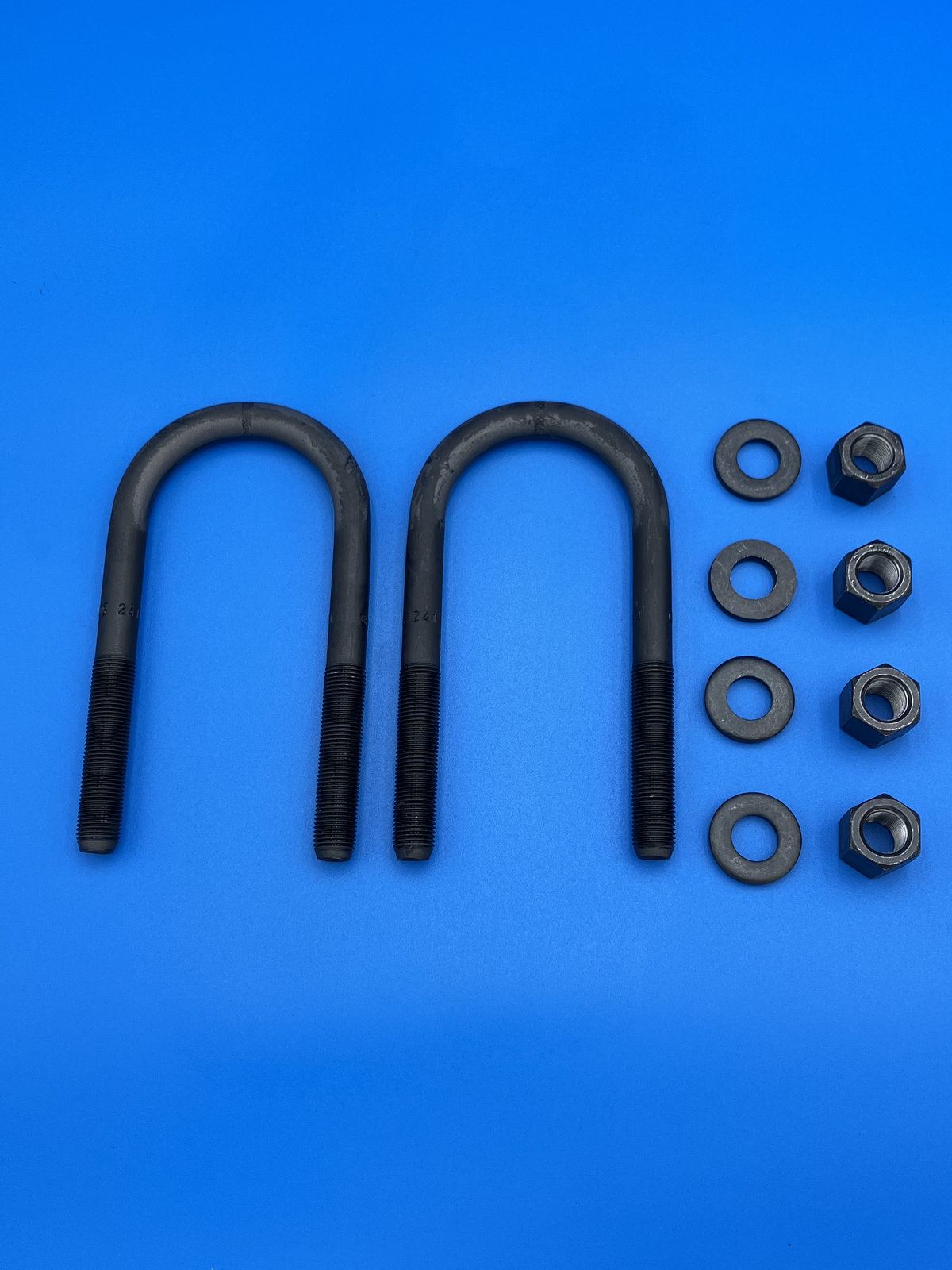
- Loose suspension hardware
- Excessive suspension movement under load
Because the tire is no longer maintaining consistent contact with the road, tread wear accelerates rapidly, and ride quality often deteriorates.
Why Balancing Won’t Fix Cupping if the Suspension is Worn
Many drivers assume unbalanced tires are responsible for every vibration issue. While tire balancing is important, it does not address the root cause when suspension wear is present.
If worn shocks, bushings, or other suspension components are allowing excessive wheel movement, balancing alone will not prevent tire cupping from returning. The suspension system must be inspected and repaired to restore proper tire control.
This is why diagnosing the underlying cause is often more important than replacing the tire itself.
The Financial Value of a Regular Front-End Inspection
Tires are one of the most expensive wear items on a work truck. Replacing them prematurely because of unresolved steering or suspension issues can quickly increase operating costs.
A routine front-end inspection helps identify developing problems before they damage tires, affect alignment, or create larger mechanical repairs.
Spotting Failing Tie Rods, Ball Joints, and Steering Linkages
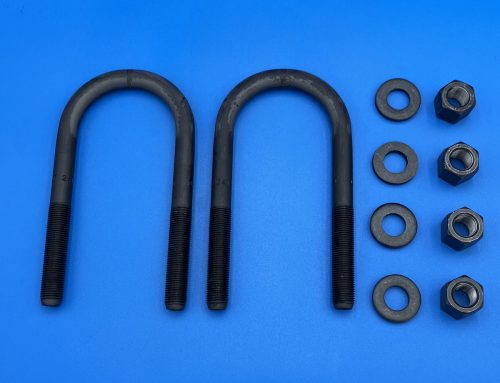
Several steering components play a critical role in keeping your wheels properly positioned. As these parts wear, they may create excessive movement that affects alignment and handling.
During a visual inspection, technicians often evaluate:
- Tie rod condition
- Ball joints
- Steering linkages
- Suspension bushings
- Mounting hardware
Wear in any of these areas can contribute to uneven tire wear patterns and reduce steering precision.
How Catching Worn Components Early Prevents Premature Tire Replacement
Early detection is often the most cost-effective approach to vehicle maintenance. Replacing a worn tie rod or ball joint is typically far less expensive than replacing multiple tires damaged by ongoing alignment problems.
Regular maintenance inspections also help identify issues before they affect other systems, including suspension, steering, and braking performance.
For fleet operators and truck owners, proactive inspections can reduce downtime while helping maximize tire life and overall vehicle reliability.
Expert Diagnostics and Repair at John’s Spring and Suspension
When tires begin wearing unevenly, the visible tread pattern is often only part of the story. Identifying the root cause requires evaluating the entire steering and suspension system to determine what is affecting vehicle performance.
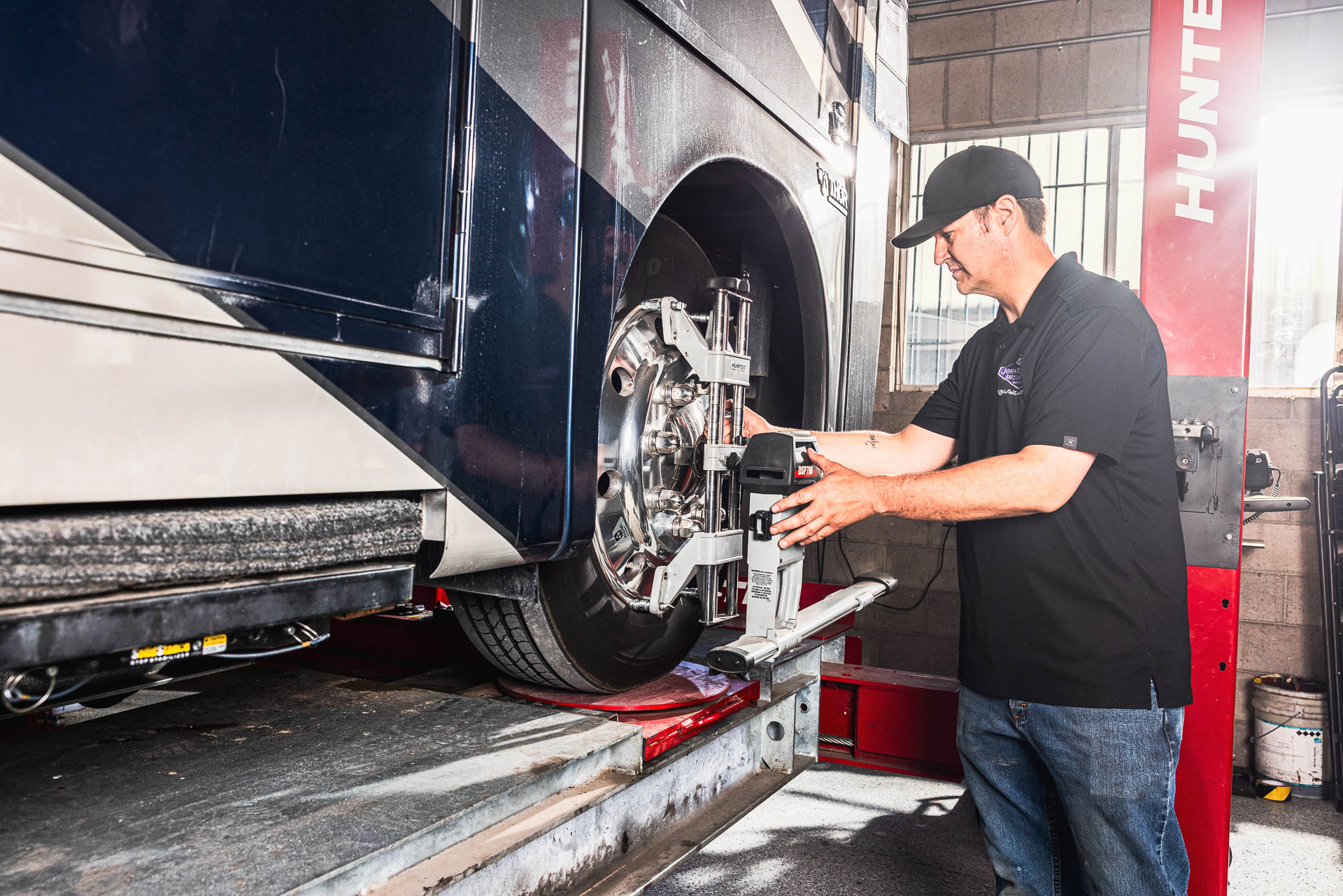
At John’s Spring & Suspension, our team performs comprehensive suspension, steering, and alignment evaluations for trucks, trailers, fleets, and heavy-duty vehicles. From worn ball joints and tie rods to damaged shocks and suspension components, we help identify the source of abnormal tire wear and recommend the appropriate repair solution.
Booking Your Professional Suspension Check in Reno, NV
If your front tires are wearing unevenly, your vehicle pulls to one side, or you’ve noticed unusual tire wear patterns, don’t wait until a new set of tires becomes necessary.
A professional suspension and steering inspection can identify developing issues before they lead to larger repairs, unsafe handling, or unnecessary operating costs.
Contact John’s Spring & Suspension today to schedule your suspension check and keep your truck operating safely, efficiently, and reliably on every mile of the road.