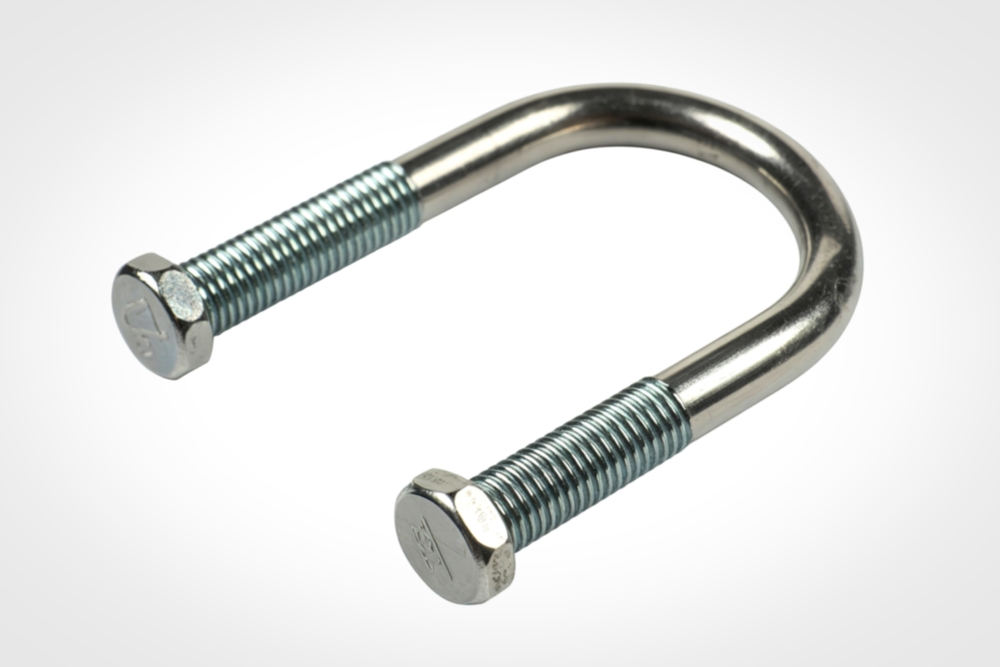
Knowing how to measure U-bolt dimensions correctly is essential when replacing hardware on a truck, trailer, or leaf spring suspension. A small measurement error can produce a U-bolt that will not fit the axle, retainer plate, or spring assembly. This guide explains the process, but John’s Spring and Suspension can also measure and custom-bend U-bolts for your specific application.
Why Getting the Dimensions Right Matters
U-bolts secure an axle to the leaf spring assembly, helping keep critical suspension components properly positioned. The correct shape, rod diameter, inside width, and length are necessary to achieve the intended fit and clamping force.
A U-bolt that is too narrow may not fit around the axle, while one that is too wide may not align with the mounting plate. Insufficient length can prevent proper thread engagement, and excessive length may interfere with surrounding components.
An online u-bolt size chart may provide useful reference measurements, but it cannot account for every truck, trailer, axle, or modified suspension. Measuring the actual application is the most reliable way to determine what is needed.
U-bolts are also designed for one-time use. Once torqued, their threads can stretch and deform as part of the fastening process. Previously installed U-bolts should not be removed and reused.
Step 1: Identify Round, Square, or Semi-Round
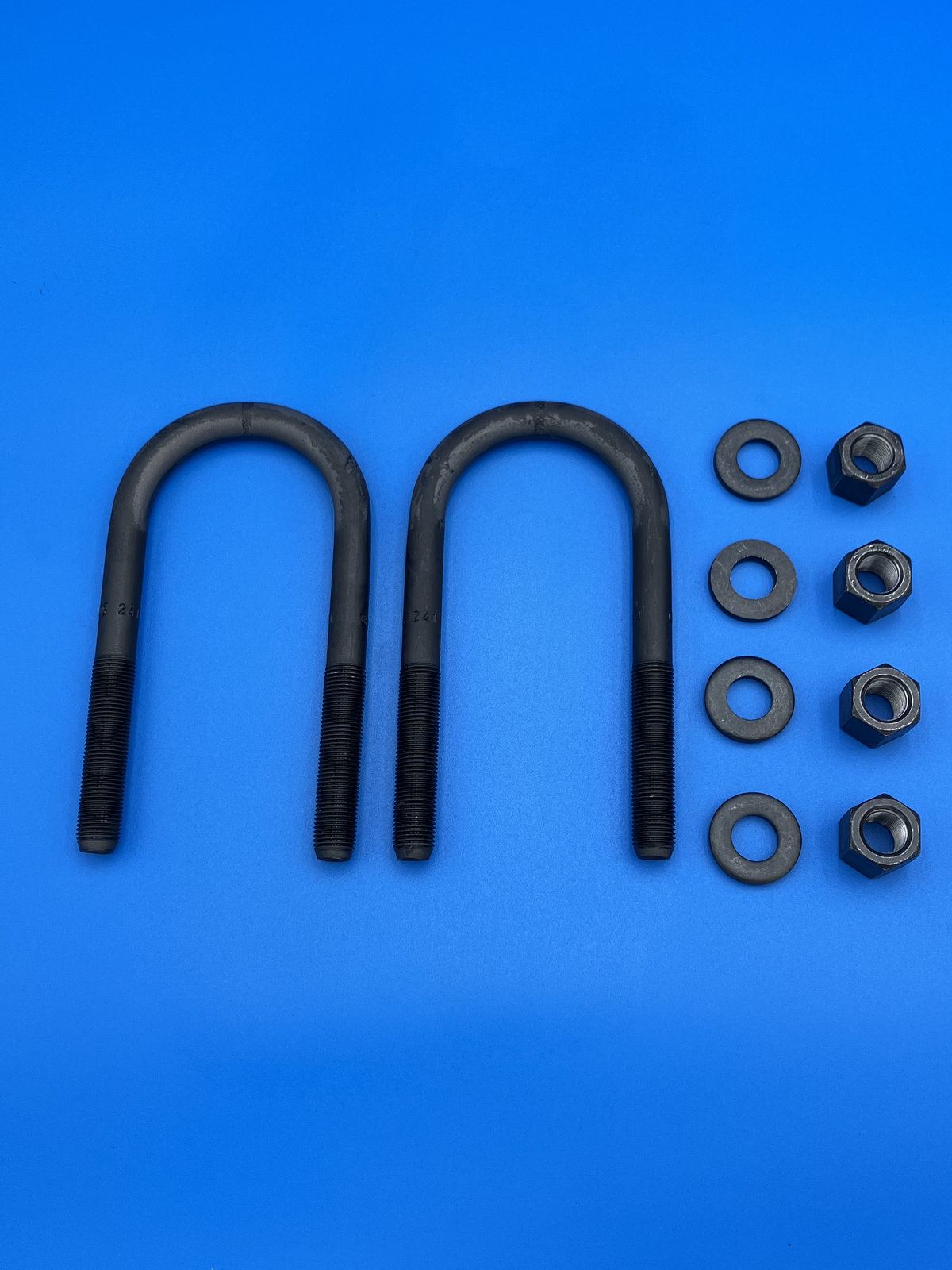
Before taking measurements, identify the shape of the U-bolt’s bend. The difference between round vs square u-bolt designs is determined primarily by the axle or component the bolt must fit around.
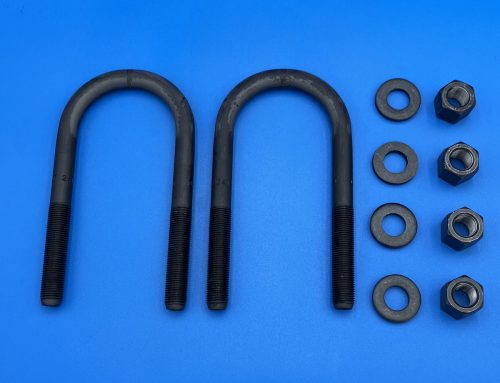
- Round U-bolts have a curved bend designed to fit round axles or tubes.
- Square U-bolts have straight sides and a flatter bend for square components.
- Semi-round U-bolts combine curved and flatter sections for specific applications.
Do not assume that two U-bolts with similar widths are interchangeable. The bend profile must correspond with the axle or mounting surface. Using the wrong shape may create poor contact, uneven loading, or an insecure fit.
If the original U-bolt is available, use its shape as a reference. However, inspect it for distortion before relying on its dimensions.
Step 2: Measure the Rod Diameter
The rod diameter measures the thickness of the steel used to create the U-bolt. Use a caliper for the most accurate reading and measure across a straight, unthreaded section of the rod.
Do not measure across the threads because the outside thread diameter may not provide a dependable representation of the bar stock. Common trailer applications may use 1/2-inch or 9/16-inch rod, while lighter-duty trailers may use 7/16-inch hardware. Other vehicles and heavy-duty applications can require different dimensions.
Never select a smaller rod diameter simply because it fits through the mounting plate. The U-bolt must have the strength required for the suspension and load.
Step 3: Measure the Inside Width
Measure the clear distance between the inside surfaces of the two legs. Keep the measuring tool straight and take the measurement near the bend before the legs become distorted or spread apart.
The inside width must fit around the axle or component while allowing both threaded legs to pass correctly through the mounting plate. Measuring from the outside edges will add the rod thickness and lead to the wrong size.
When learning how to measure u-bolt for leaf spring assemblies, remember that spring width alone does not determine U-bolt width. Depending on the suspension design, the U-bolt may wrap around the axle housing rather than the spring itself.
Step 4: Measure the Inside Length
Measure from the inside surface at the top of the bend to the end of one threaded leg. Keep the tape measure or ruler parallel with the leg to avoid adding extra distance.
The U-bolt must be long enough to pass around the axle and spring assembly, extend through the mounting plate, and provide sufficient thread engagement for the correct nuts. Account for the complete stack of components rather than measuring only the axle.
Because suppliers may describe length differently, confirm whether a measurement refers to inside length or overall length before ordering.
Common Measuring Mistakes That Lead to the Wrong Fit
Even a carefully chosen part from a U-bolt size chart may not fit if the original measurements were taken incorrectly. Common mistakes include:
- Measuring outside width instead of inside width
- Measuring the threaded section for rod diameter
- Confusing inside length with overall length
- Ignoring whether the bend is round, square, or semi-round
- Measuring a stretched, bent, or heavily corroded U-bolt
- Forgetting mounting plates and other stacked components
- Attempting to reuse previously torqued U-bolts
- Assuming similar axles always use identical hardware
Record every measurement clearly and verify it before placing an order. When possible, bring the vehicle, suspension components, or original U-bolt to an experienced service provider for confirmation.
Skip the Guesswork — Let Us Custom-Make Your U-Bolt
If you are uncertain how to measure U-bolt dimensions, John’s Spring and Suspension can help. Our Reno shop custom-bends American-made steel U-bolt bar stock to the measurements required for trucks, trailers, and specialty equipment.
Instead of relying solely on a standard U-bolt size chart, our team can review the application, confirm the correct bend and dimensions, and manufacture the part to specification. We also install U-bolts and other suspension components when professional service is needed.
Contact John’s Spring and Suspension or call (775) 329-6159 for help measuring, ordering, or replacing your U-bolts.