For commercial trucks, small alignment errors can create expensive consequences over thousands of miles. When steer tires are not pointed correctly in relation to each other, they do not roll freely in the truck’s direction of travel. Instead, the tread scrubs against the road, adding resistance with every rotation.
Across a fleet, that drag can contribute to higher fuel use, shortened tire life, steering fatigue, and avoidable suspension wear. Precise toe alignment helps trucks track efficiently while protecting the tires and components that keep them working.
What is Toe Alignment and Why Does It Matter for Commercial Trucks?
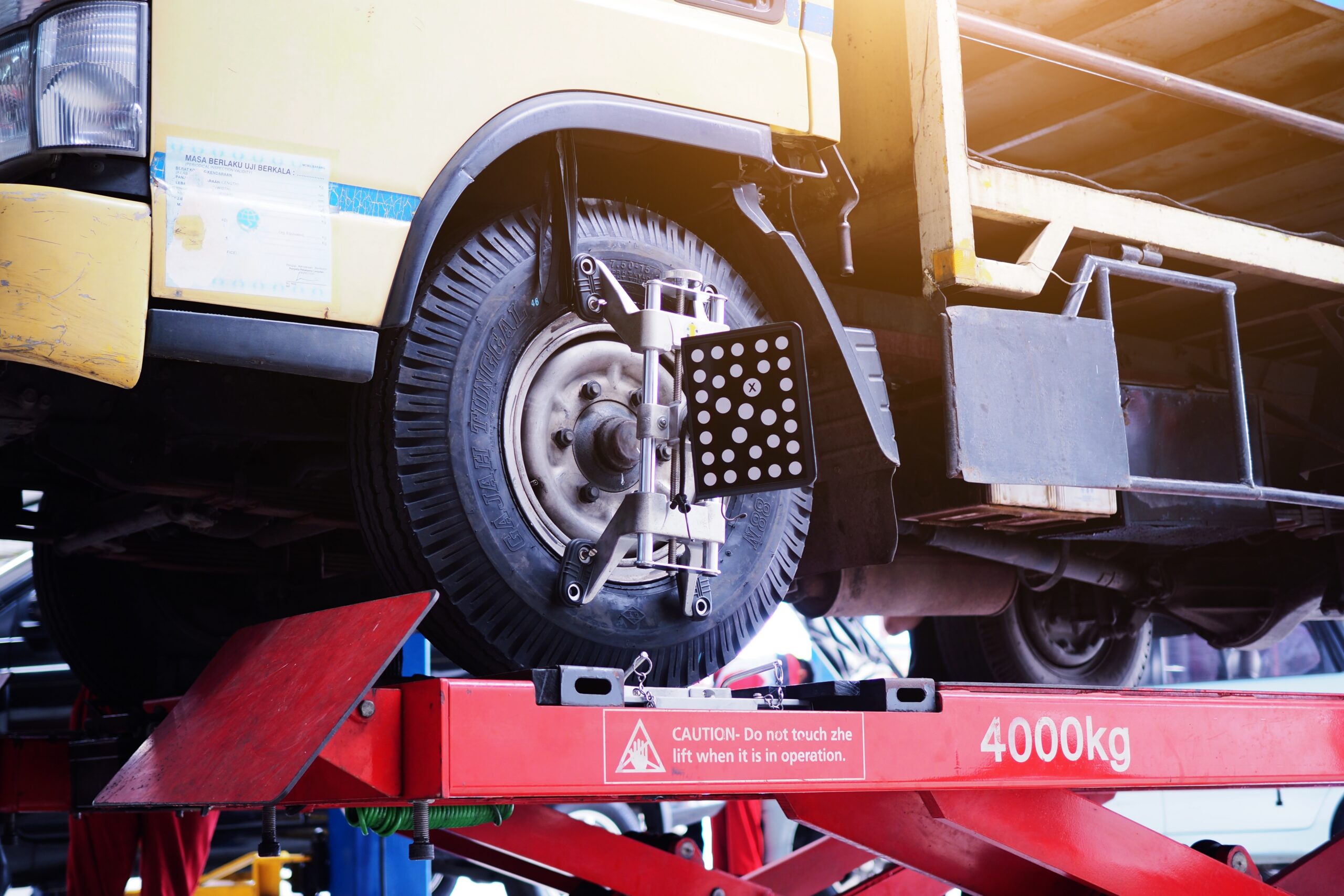
Toe alignment describes the direction the steer tires point when viewed from above. The wheels should remain within the manufacturer’s specified range so they roll forward with minimal sideways resistance. If the angle is incorrect, the tires may pull toward or away from each other as the truck moves.
For a commercial vehicle, the correct toe supports predictable handling, reduces tread scrub, and limits energy loss between the tire and pavement. Over long distances, even a small error can become costly.
The Mechanics of Wheel Alignment Toe: Toe-In vs. Toe-Out
Toe-in means the front edges of the tires point slightly toward each other. Toe-out means they point away from each other. The correct setting depends on the vehicle’s specifications and how its steering and suspension operate under load.
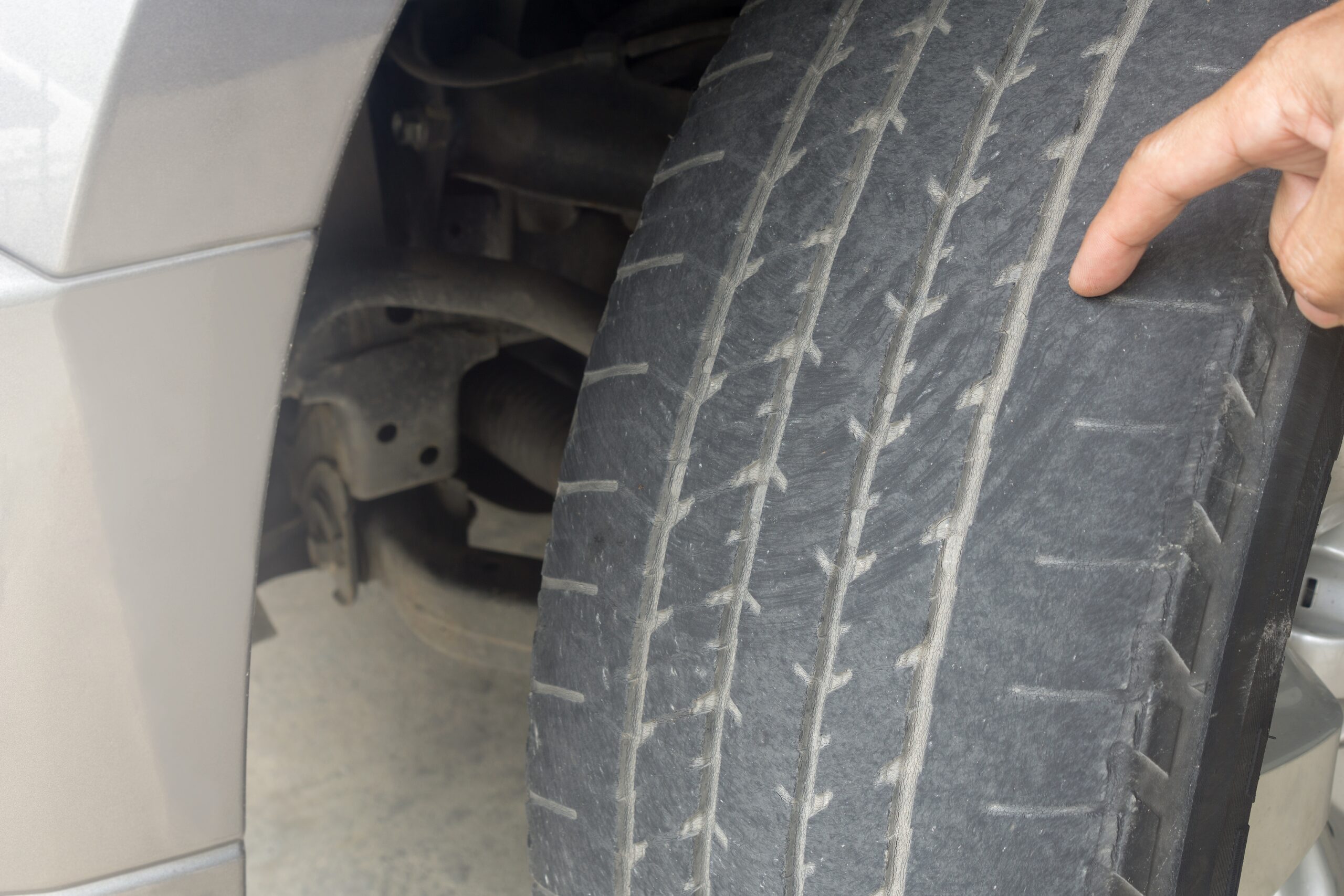
When the toe moves outside the acceptable range, each tire attempts to follow a different path. The driver may notice wandering or frequent steering corrections, while the tread can develop feathered edges from being dragged sideways. A precise adjustment returns the steer tires to the proper relationship.
How Semi-Truck Wheel Alignment Differs from Standard Vehicles
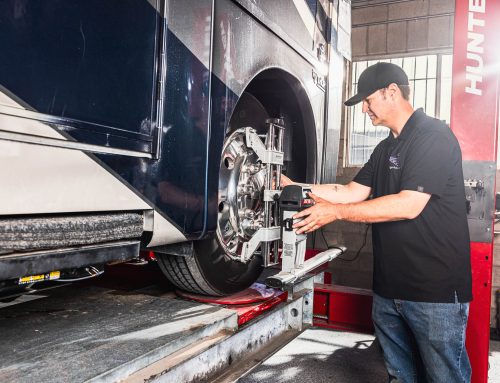
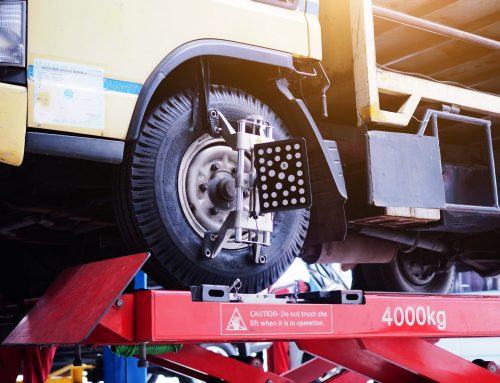
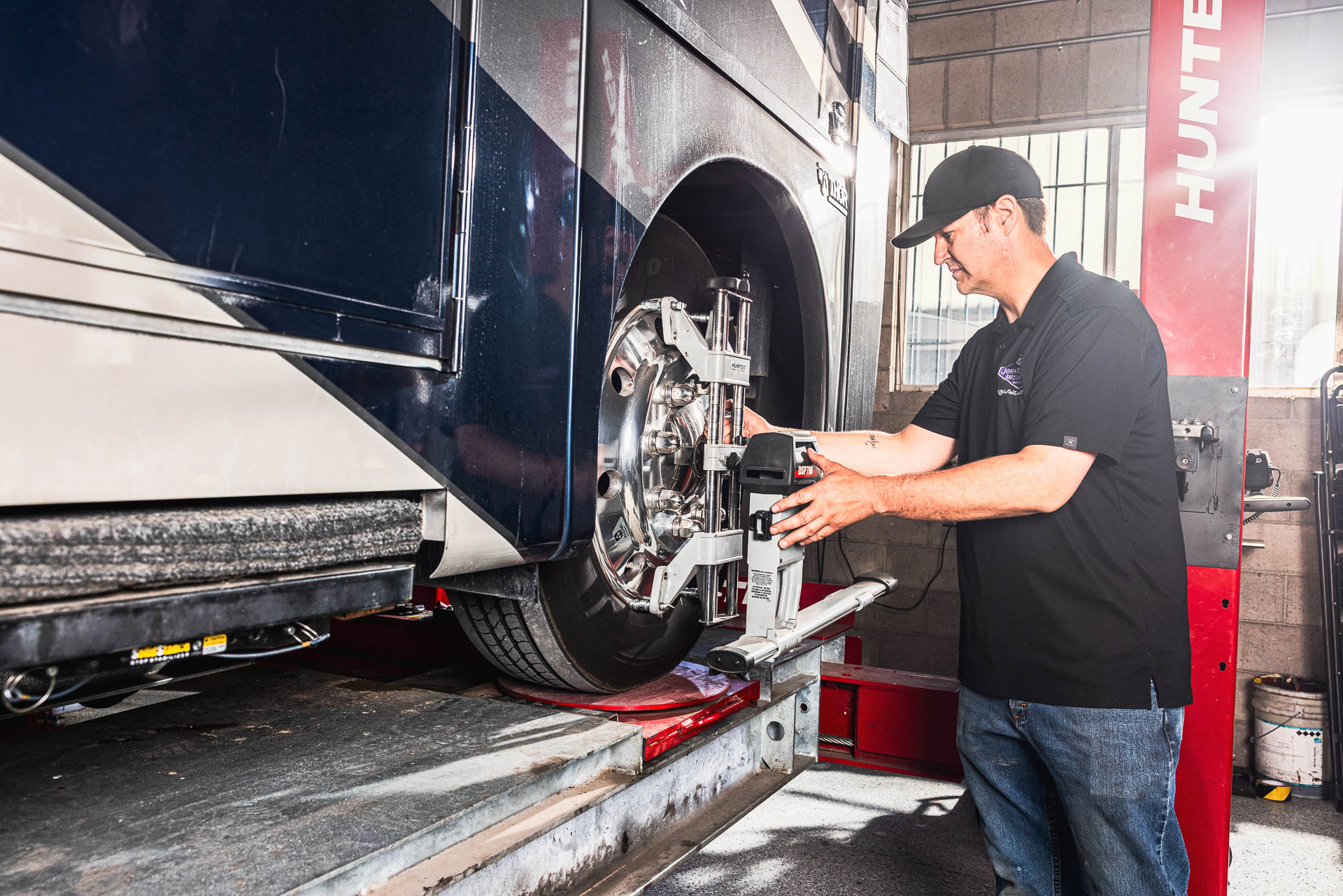
A semi truck wheel alignment must account for the entire chassis rather than treating the steer axle as an isolated system. Drive-axle position, thrust angle, bushings, steering parts, load distribution, and auxiliary axles can all influence how the truck tracks.
On trucks with tag or drop axles, each axle must work in the same direction under load. Technicians must evaluate the complete system instead of relying on a basic front-end adjustment to ensure proper alignment and performance for trucks with drop axles.
How Improper Toe Alignment Creates Heavy Drag and Drives Up Fuel Costs
Fuel is consumed whenever the engine must overcome resistance. Aerodynamics, vehicle weight, tire pressure, road grade, and driving habits all play a role, but misalignment can add another source of drag.
Incorrect toe prevents the steer tires from rolling straight ahead. As they scrub across the pavement, the engine must work against that friction. The effect continues during every mile the truck remains out of alignment.
Increased Rolling Resistance: Fighting the Road
Properly aligned tires rotate in the intended direction with a consistent contact patch. When the toe is incorrect, some engine power is used to force the tires along paths they do not naturally want to follow. This produces added rolling resistance and tread heat.
Warning signs can include wandering, constant steering correction, new tire noise, or tread that feels sharp in one direction and smooth in the other. These symptoms justify an inspection before the drag creates more extensive wear.
The Direct Connection Between Misalignment and Poor Miles Per Gallon (MPG)
A minor alignment error may cause only a modest efficiency change on one truck. Across several vehicles, routes, and months, the cumulative expense can become meaningful. Fuel used to overcome preventable tire scrub does not increase payload, productivity, or delivery capacity.
For that reason, truck wheel alignment should be part of preventive fleet maintenance rather than a service reserved for severe pulling. Monitoring fuel trends, driver reports, and steer-tire conditions can help identify changes before operating costs rise. Bridgestone identifies reduced fuel mileage, irregular tire wear, pulling, and steering concerns as reasons to inspect commercial truck alignment.
Preventing Asset Depletion: Protecting Your Fleet and Your Bottom Line
Fuel is only one part of the expense. Misalignment can gradually consume the value of tires, steering parts, and suspension components. Correcting the toe angle early helps preserve these assets and reduces the likelihood of an unscheduled interruption.
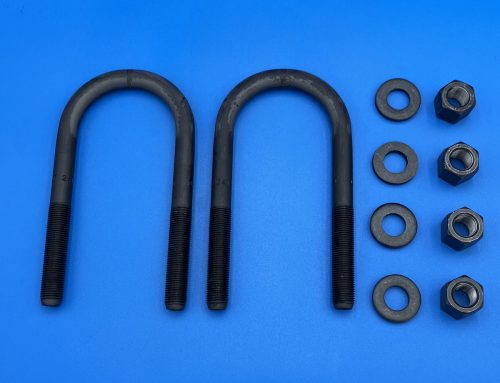
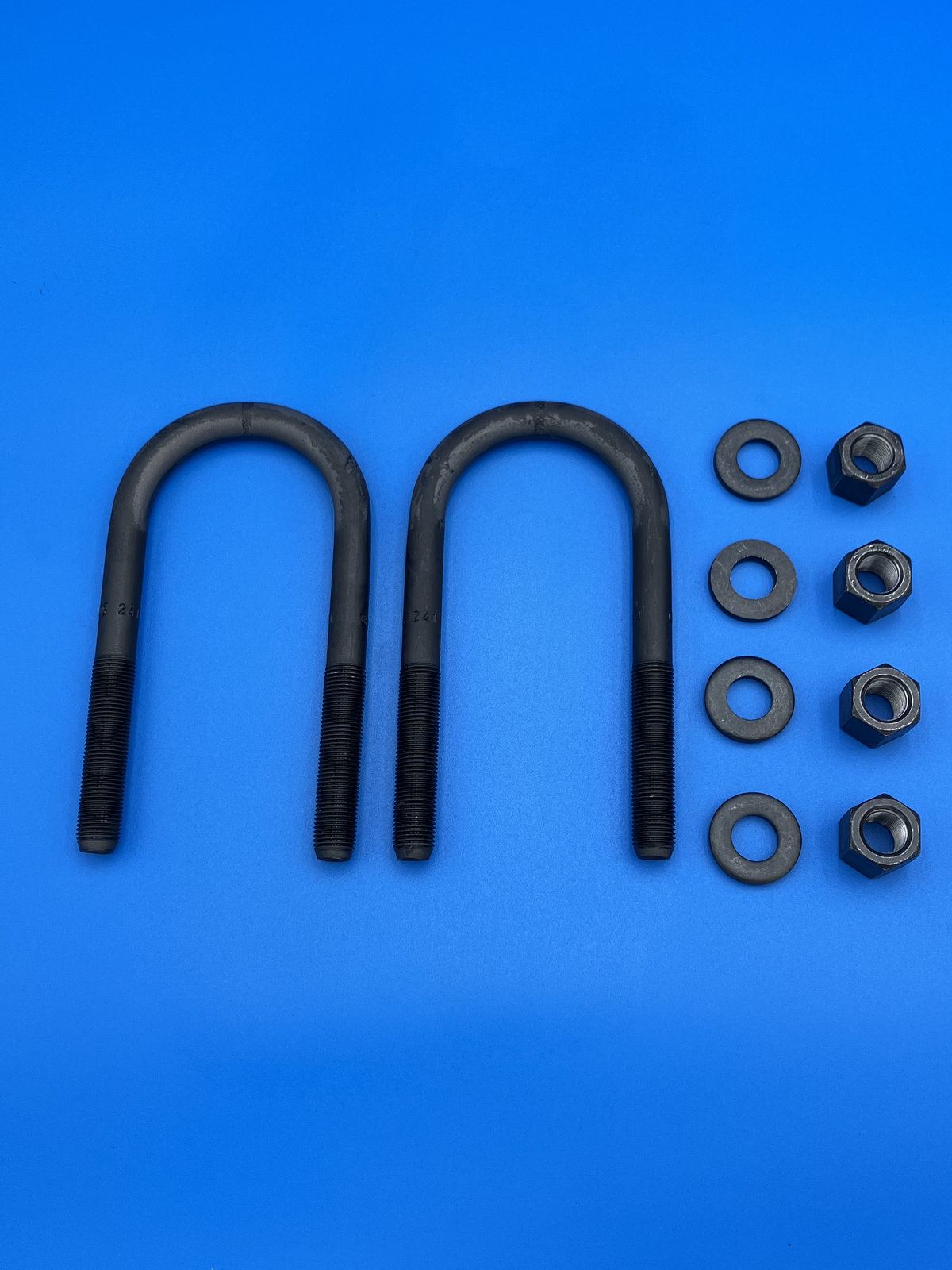
Before making an adjustment, technicians should confirm that the mechanical foundation is sound. Worn bushings, loose steering parts, damaged springs, or shifted axle components can change wheel position and prevent the alignment from holding.
Premature Tire Wear: The Cost of Scuffing and Feathering
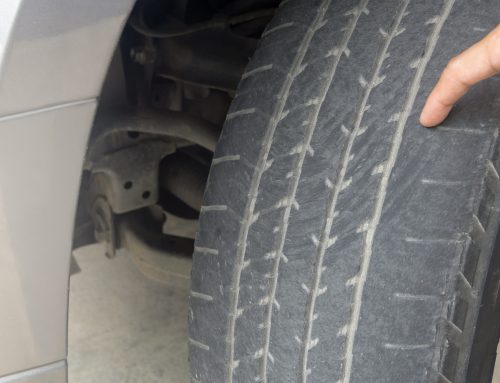
Steer tires are a substantial fleet investment. With an incorrect toe, the tread is scuffed on every trip instead of wearing evenly. Feathering may develop as each tread block is pushed sideways, leaving one edge smoother and the opposite edge sharper.
Replacing or rotating tires without correcting the cause only restarts the problem. A complete inspection should evaluate the wear pattern, toe measurement, steering linkage, axle tracking, and any common heavy-duty suspension problems that may influence alignment.
Excess Strain on Suspension and Steering Components
When tires resist the direction of travel, the forces extend beyond the tread. Tie rods, drag links, kingpins, bushings, wheel bearings, and suspension mounts may all experience unnecessary stress. Drivers may also compensate through the steering wheel, adding fatigue on long routes.
An alignment will not remain accurate if worn components allow the wheels or axles to move. Repairing those problems first provides a stable base for final measurements and adjustment, helping protect drivability and long-term reliability.
Schedule Your Appointment at John’s Spring and Suspension for Toe Alignment and Keep Your Trucks Safe
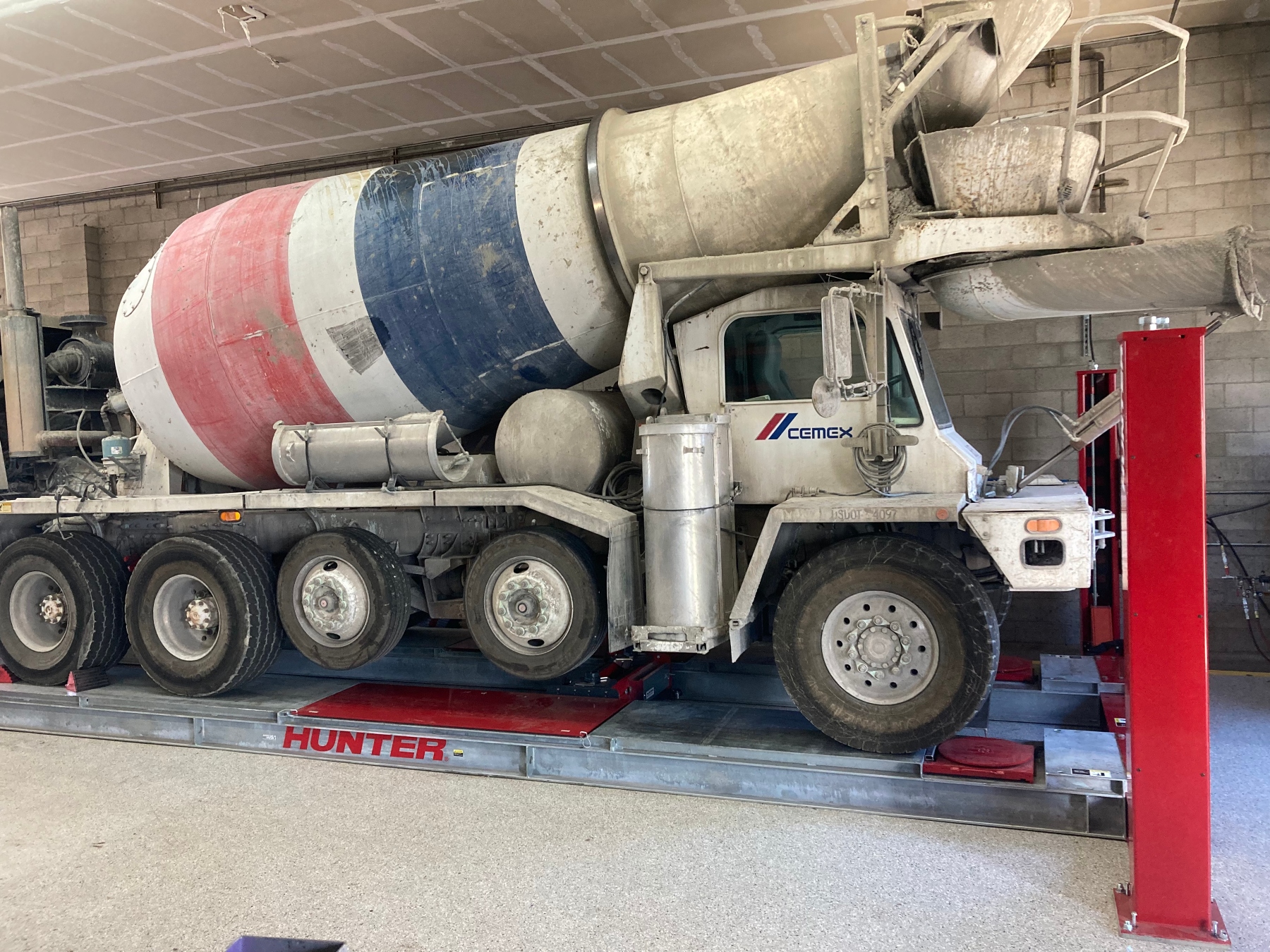
At John’s Spring and Suspension, we provide professional heavy-duty truck alignment for two- and three-axle tractors and vocational trucks in Reno. Our team evaluates the toe along with caster, camber, thrust angle, steering components, and bushings so the service addresses the truck as a complete system.
If you have noticed feathered steer tires, increased fuel use, wandering, pulling, or frequent steering corrections, schedule an inspection before more of your operating budget is lost to preventable drag and wear. Precise alignment helps keep trucks tracking safely, wearing tires evenly, and staying productive mile after mile.