A broken leaf spring can affect far more than ride comfort. In trucks, trailers, and heavy-duty vehicles, leaf springs help support weight, absorb road shock, and stabilize the suspension under load. When one fails, drivers may notice poor handling, uneven ride height, unusual noises, or difficulty controlling the vehicle safely.
Because suspension systems work under constant stress, even minor spring damage can gradually lead to larger mechanical problems. Understanding what causes leaf spring failure, how to recognize the warning signs, and when to seek repairs can help prevent unsafe driving conditions and costly downtime.
The Crucial Role of Leaf Springs in Your Vehicle’s Suspension
Leaf springs are one of the hardest-working parts of a truck or trailer suspension system. These are designed to support the weight of the vehicle while helping maintain proper suspension movement over uneven roads and changing load conditions. They are commonly used in work trucks, trailers, vans, and towing vehicles because of their durability and ability to handle heavy payloads.
Without properly functioning springs, the suspension system cannot distribute weight evenly or absorb road impact effectively, which can place extra strain on tires, axles, steering components, and the vehicle frame.
Before a spring breaks completely, the suspension often shows warning signs that should never be ignored.
How Leaf Springs Support Weight and Absorb Impact
As the suspension moves, leaf springs flex to absorb bumps, potholes, and road vibration. This helps improve vehicle stability and keeps the tires in better contact with the road surface.
In towing and hauling applications, leaf springs also help reduce excessive body movement and maintain safer handling under heavy loads.
Common Causes of a Broken Leaf Spring
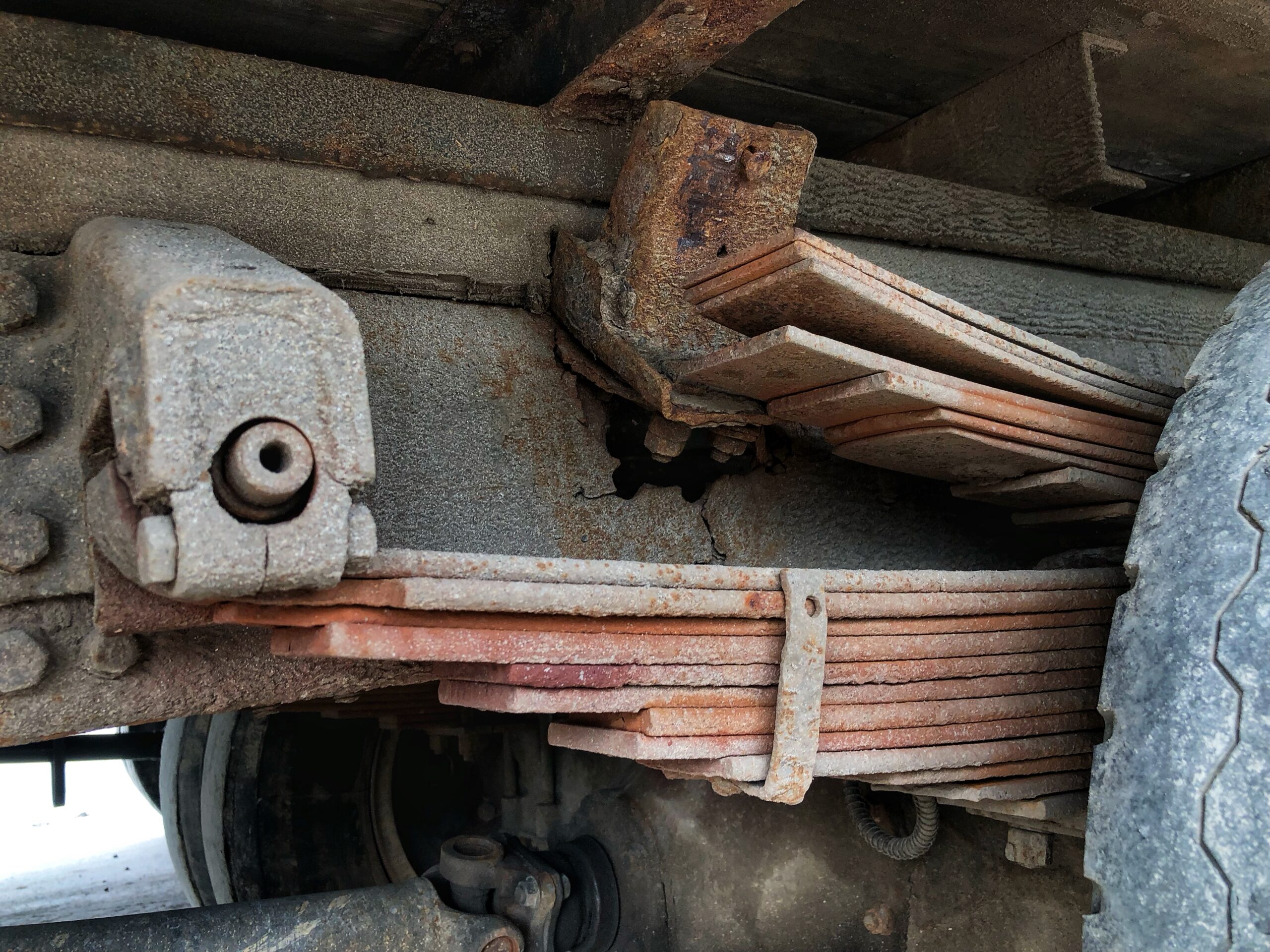
Leaf springs are built to handle repeated stress, but years of heavy use and environmental exposure can eventually weaken the spring assembly. Small cracks, worn hardware, or corrosion often develop gradually before complete failure occurs.
Understanding what commonly causes suspension damage can help drivers avoid costly repairs and unsafe driving conditions.
- Overloading and Exceeding Payload Capacities: Consistently hauling more weight than your vehicle was designed to carry places excessive pressure on the suspension system and can lead to cracked or broken leaves.
- Normal Wear and Tear Over Time: Years of towing, hauling, and rough driving conditions gradually weaken suspension components. Older leaf springs may lose flexibility, sag, or eventually fail under regular use.
- Severe Rust, Corrosion, and Environmental Damage: Moisture, road salt, mud, and debris can cause corrosion that weakens the spring steel. Rust damage is especially common in vehicles frequently exposed to harsh weather or off-road conditions.
How to Spot the Symptoms of Suspension Failure
Suspension problems often begin with subtle changes in ride quality or vehicle handling. Recognizing these warning signs early may help prevent additional damage throughout the suspension system.
1. A Sagging or Uneven Vehicle Stance
One of the clearest indicators of a damaged spring is a vehicle that leans or sits lower on one side. This uneven stance often means the suspension is no longer supporting the weight properly.
2. Clunking, Squeaking, and Grinding Noises
Damaged springs, worn bushings, or loose mounting hardware may create unusual noises when driving over bumps, braking, or turning. In many cases, these sounds are early indicators that suspension components are shifting improperly under load.
3.Poor Handling and an Excessively Bumpy Ride
A failing suspension system can reduce stability and make steering feel less controlled. Drivers may notice excessive bouncing, swaying, or difficulty maintaining proper handling while towing or carrying heavy loads.
The Big Question: Can You Drive With a Broken Leaf Spring?
Technically, some vehicles may still move with a damaged spring, but continuing to drive can create serious safety risks. Many drivers wonder, “Can I drive with a broken leaf spring?” The answer is it depends on the severity of the damage, but in most cases, it’s unsafe to continue operating the vehicle normally.
Even a partially cracked spring can shift weight unevenly and place additional stress on surrounding suspension parts.
Why “Limping It Home” Can Cause More Damage
Driving with a broken spring may damage the axle, shocks, tires, hangers, and frame components. In severe cases, the broken leaf can shift out of position and interfere with nearby parts, creating dangerous driving conditions that can worsen quickly.
The Severe Safety Risks of Delaying Broken Leaf Spring Repair
Postponing suspension service can affect much more than ride comfort. A damaged spring directly impacts vehicle control, braking, and load stability, especially in commercial trucks and towing applications.
- Loss of Steering Control and Braking Efficiency: Uneven suspension support can reduce traction and make steering feel unstable during turns or sudden stops. Additional vehicle sway may also increase stopping distances under heavy loads.
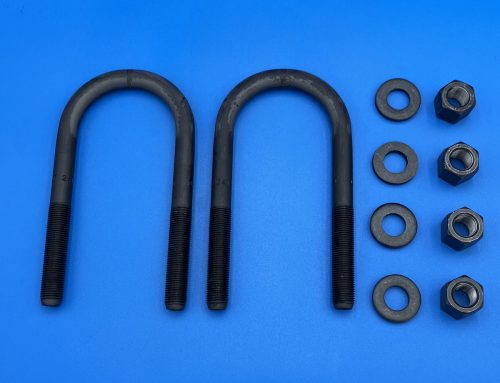
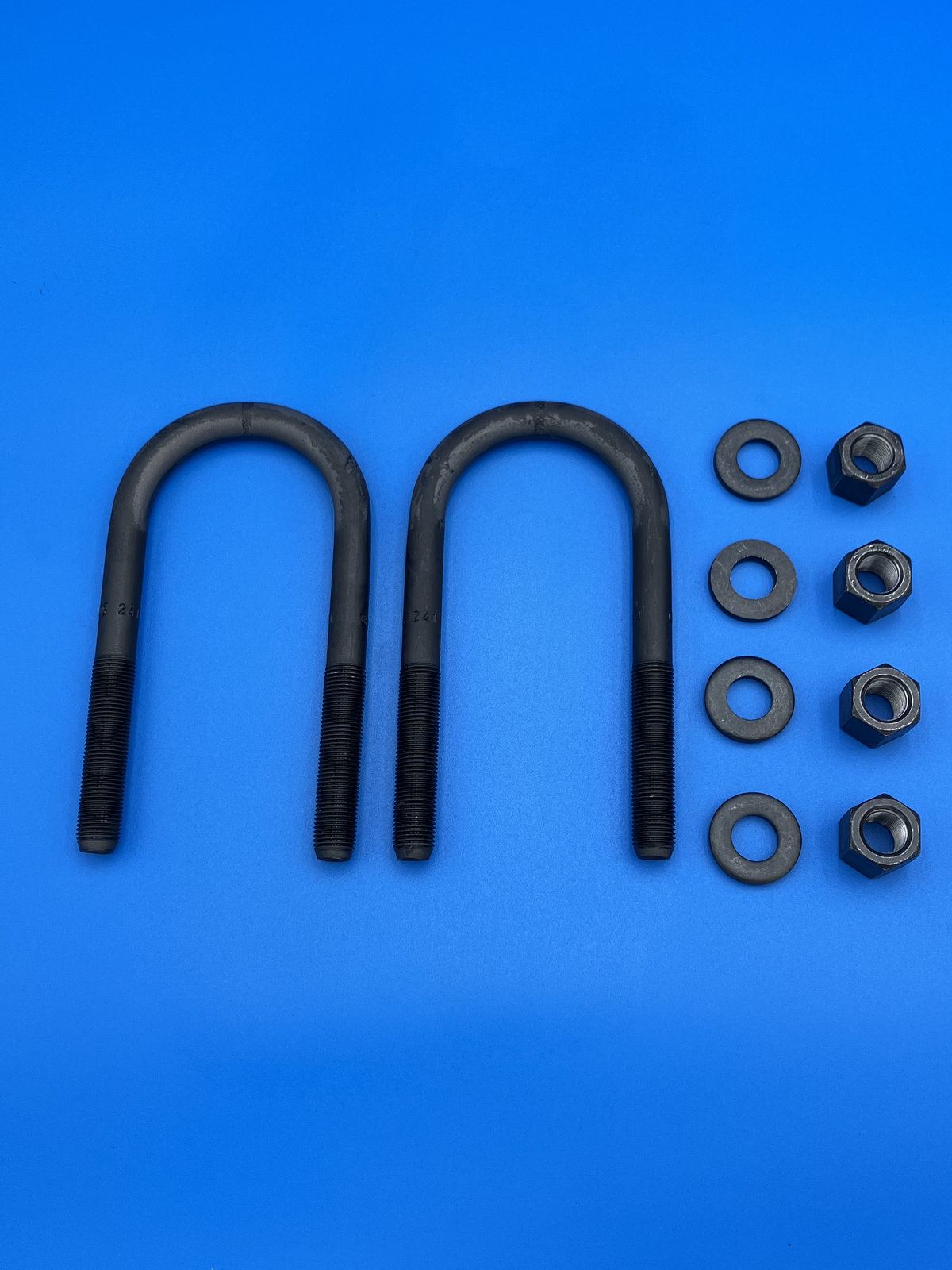
- Potential Damage to the Axle, Tires, and Other Suspension Parts: When suspension geometry changes, extra strain is placed on connected components. This often leads to uneven tire wear, axle stress, damaged U-bolts, and accelerated wear throughout the suspension system.
Emergency Spring Repair: What to Do If It Breaks on the Road
A sudden spring failure can be stressful, especially when towing equipment or traveling at highway speeds. Knowing how to respond safely can help reduce the risk of further damage or unsafe driving conditions.
Steps to Ensure Your Safety
If you suspect a spring has broken, reduce speed gradually and avoid hard braking or sudden steering movements. Pull over safely and inspect the suspension for visible damage, leaning, or loose components.
Getting Your Vehicle Safely to the Shop
In many situations, towing is the safest option. Continuing to drive with severe suspension damage may increase repair costs and place additional stress on the vehicle.
Spring repair services can help assess the damage and determine the safest next step for transportation and repair.
Broken Leaf Spring Repair vs. Full Leaf Spring Replacement
Not every damaged spring assembly requires complete replacement. The proper repair depends on the condition of the suspension, the extent of the damage, and the vehicle’s workload demands.
When Can Individual Leaves Be Replaced or Repaired?
If the damage is isolated and the remaining spring pack is still structurally sound, replacing individual leaves or hardware may be possible. Minor repairs can sometimes restore proper performance without replacing the full assembly.
When Is a Complete Leaf Spring Replacement Necessary?
Severe cracking, multiple broken leaves, heavy corrosion, or widespread wear often require full leaf spring replacement. Replacing the entire assembly may provide better long-term reliability for commercial and heavy-duty vehicles.
Cost Comparisons: Repair vs. Replacement
Repairing isolated damage is usually less expensive upfront, but repeated failures can lead to higher long-term costs. In some cases, a complete replacement provides better durability and fewer future repairs.
How to Prevent Future Leaf Spring Damage
Preventive maintenance plays a major role in extending suspension life, especially for trucks and trailers used in demanding work environments.
- Regular Undercarriage Cleaning and Inspections: Routine inspections help identify cracked leaves, worn bushings, rust, and loose hardware before serious damage occurs. Keeping the undercarriage clean also helps reduce corrosion buildup.
- Upgrading Your Suspension for Heavy Duty Towing: Vehicles regularly used for towing or hauling may benefit from upgraded springs, helper springs, or reinforced suspension components designed for higher payload demands.
What to Expect During Your Repair Service at John’s Spring
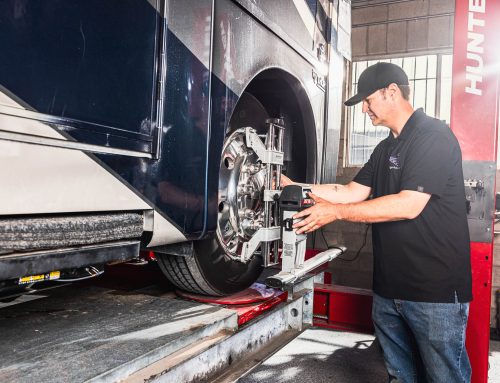
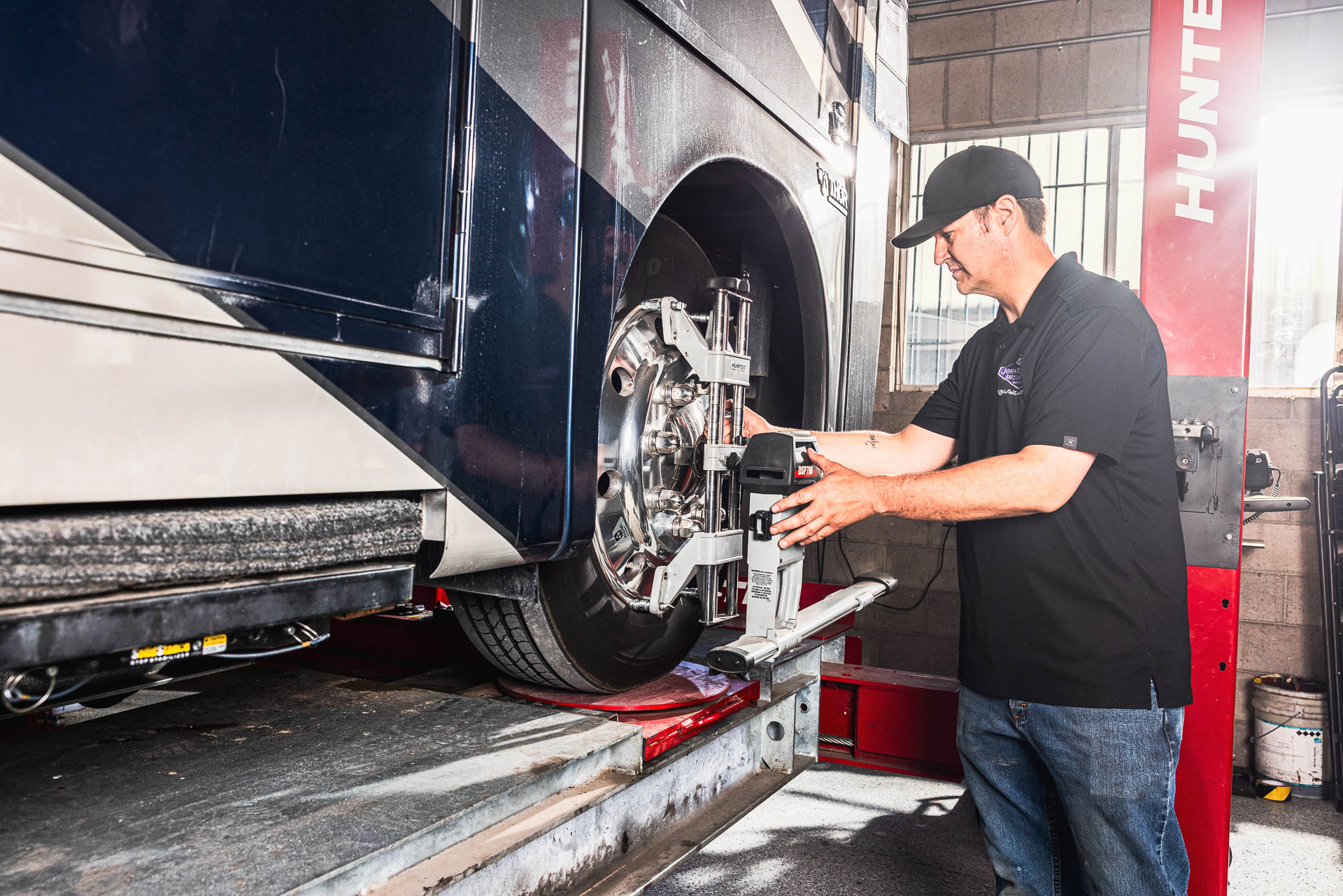
A professional suspension inspection typically includes evaluating the condition of the spring pack, bushings, mounting hardware, axle alignment, and surrounding suspension components.
Technicians will determine whether the damage can be safely repaired or if a full leaf spring replacement is the better long-term solution for the vehicle.
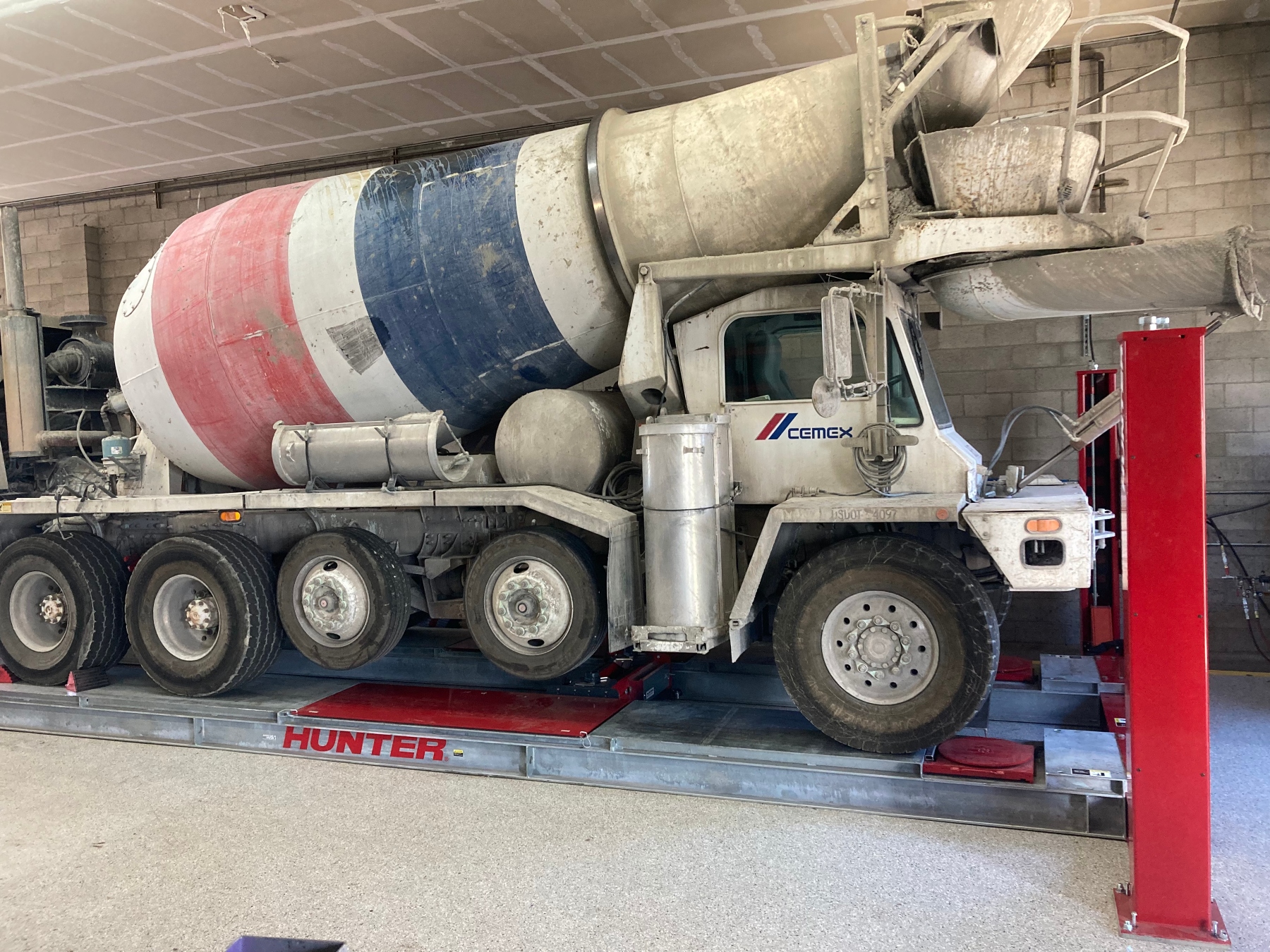
At John’s Spring & Suspension, we perform a full suspension inspection to identify damaged components and determine the safest repair option for your vehicle. Our team works on trucks, trailers, commercial fleets, and heavy-duty towing vehicles, using quality parts designed for long-term durability and dependable performance.
Contact Us Today to Schedule Your Leaf Spring Service
If you’ve noticed unusual suspension noises, uneven ride height, or handling issues, our team can help you diagnose the problem and recommend the safest repair option for your vehicle. Don’t wait for the problem to get worse.
Contact John’s Spring & Suspension today for professional suspension inspections, emergency spring repair, and reliable leaf spring replacement services for trucks and trailers.