When suspension work is performed on a truck, trailer, or heavy-duty vehicle, proper installation involves far more than simply replacing worn parts. One of the most important yet commonly overlooked steps is maintaining correct leaf spring u bolt torque after installation. U-bolts play a critical role in securing the axle to the leaf spring assembly, and failing to retorque them can lead to suspension instability, driveline issues, unsafe handling, and premature component wear.
The Critical Function of U-Bolts in Your Suspension System
Clamping the Leaf Springs Firmly to the Axle
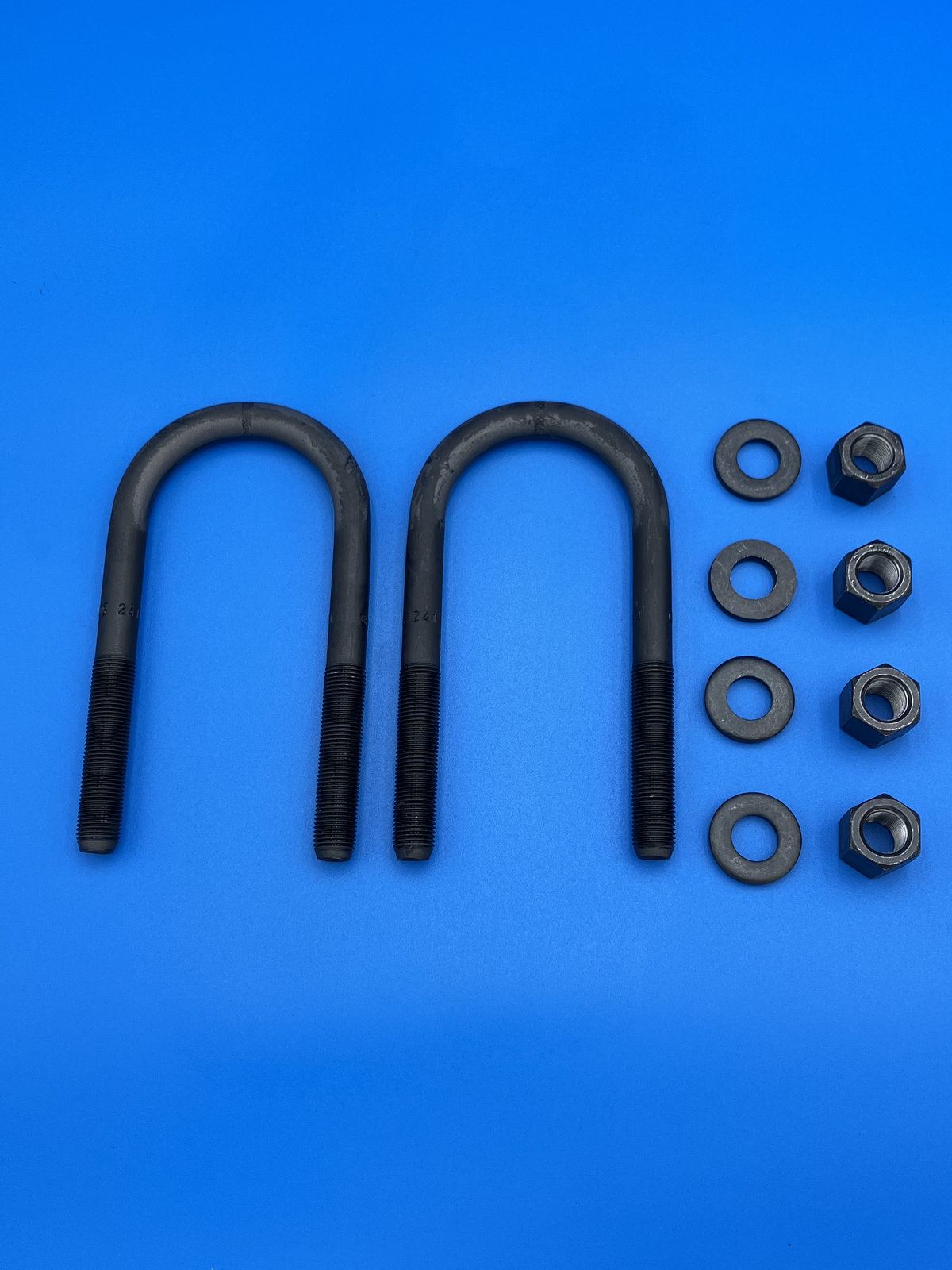
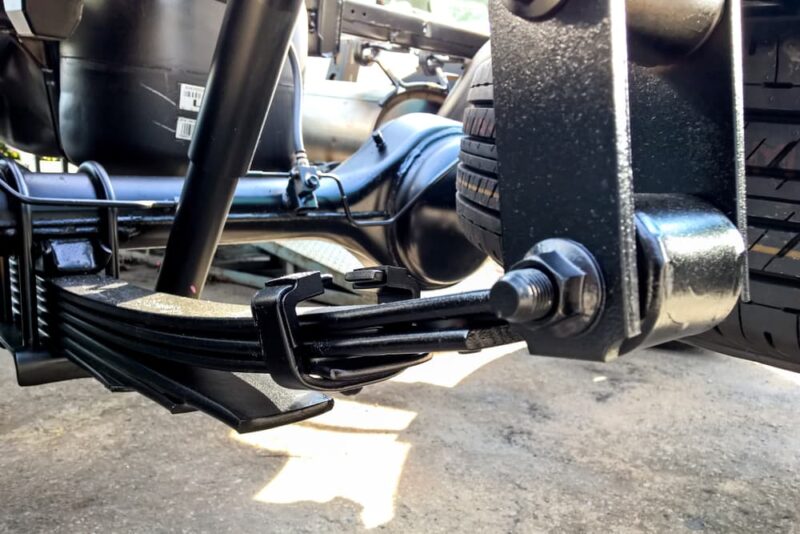
U-bolts are responsible for securing the leaf spring pack tightly against the axle housing. This clamping force keeps the entire suspension assembly stable while supporting vehicle weight, absorbing road impacts, and managing heavy loads. Without proper torque, the spring pack can shift under stress, causing instability and uneven pressure across suspension components.
Heavy-duty trucks and trailers depend on properly torqued U-bolts to maintain consistent ride height and safe load distribution. Even slight movement between the spring pack and axle can create long-term damage that affects overall suspension performance.
Maintaining Proper Driveline Alignment
The suspension system also plays an important role in driveline positioning and in properly transferring power from the engine to the wheels. U-bolts help maintain axle placement so the driveshaft angles remain aligned during acceleration, braking, and towing.
When torque settings become loose, driveline geometry changes can occur, placing additional strain on universal joints, differentials, and axle components. Over time, this may contribute to vibration issues, accelerated wear, and some of the most common causes of axle instability in work trucks and trailers.
Understanding Proper Leaf Spring U Bolt Torque
Why “Tight Enough” Is Never Good Enough
Many suspension problems begin when installers assume bolts are “tight enough” without verifying actual torque values. Proper leaf spring u bolt torque must always follow manufacturer specifications because suspension assemblies experience constant vibration, flexing, and shifting under load.
Using guesswork instead of measured torque can lead to uneven clamping pressure that weakens suspension stability. Commercial trucks, utility trailers, lifted vehicles, and off-road applications all require exact torque settings based on axle size, U-bolt diameter, and suspension configuration.
The Dangers of Under-Torquing and Over-Torquing
Improper torque creates serious mechanical and safety risks. Under-torqued U-bolts may allow axle movement, while over-torqued hardware can stretch beyond its designed limits and lose clamping effectiveness.
Potential problems include:
- Suspension shifting under heavy loads
- Premature leaf spring wear
- Distorted U-bolt threads
- Cracked center pins
- Increased vibration
- Uneven tire wear
- Driveline misalignment
- Risk of a broken axle under severe operating conditions
Proper torque protects both suspension reliability and overall vehicle safety.
The Science Behind U-Bolt Stretch and Metal Settlement
How New Metals Adapt Under Heavy Loads
After spring installation, newly installed suspension components naturally begin settling under the weight of the vehicle. The leaf springs compress, mounting surfaces conform to one another, and the U-bolts experience slight stretching as clamping pressure equalizes.
This settling process is completely normal, especially in heavy-duty applications where trucks carry substantial weight or encounter rough terrain regularly. However, this gradual movement changes the original torque values applied during installation.
Why Initial Tightness Will Inevitably Change
Even if U-bolts are torqued correctly during installation, the clamping force will decrease slightly as the suspension settles. This is why u-bolt retorque procedures are considered mandatory after spring work.
Without retorquing, the suspension assembly may begin loosening over time. Small shifts between the axle and leaf spring pack can eventually produce vibrations, alignment changes, and noticeable handling issues. Ignoring this process often leads to expensive suspension repairs later.
Following the Correct Spring Install Torque Specs
Finding the Manufacturer Recommendations for Your Vehicle
Every vehicle uses different spring install torque specs depending on suspension design, axle capacity, and hardware dimensions. Heavy-duty trucks, trailers, commercial fleets, and lifted off-road vehicles all require application-specific torque values.
Manufacturer recommendations are designed to provide the correct clamping force without overstressing the hardware. Following these specifications helps maintain suspension alignment while reducing wear on surrounding components.
Professional suspension shops verify:
- Axle size
- U-bolt diameter
- Thread pitch
- Spring pack thickness
- Vehicle load rating
- Suspension application type
The Importance of Using a Calibrated Torque Wrench
Accurate torque measurement requires a properly calibrated torque wrench. Standard hand tightening methods cannot consistently achieve precise clamping force, especially in heavy-duty suspension systems.
Professional technicians follow controlled tightening sequences that evenly distribute pressure across the spring assembly. Uneven tightening can create stress concentration points that weaken suspension performance and shorten component life.
Torque verification should always be performed:
- During installation
- After initial road use
- Following heavy towing or hauling conditions
- During routine suspension inspections
Hearing a Clunk After Spring Replacement? Here is Why
Diagnosing Warning Noises in Your Suspension
A clunk after spring replacement is one of the earliest warning signs that suspension hardware may have loosened after installation. This noise often occurs when the axle shifts slightly against the spring pack during braking, acceleration, or uneven road conditions.
Drivers may also notice:
- A metallic knocking sound
- Suspension movement during turns
- Increased vibration
- Steering instability
- A noticeable clunking noise over bumps
These symptoms should never be ignored because they often indicate reduced clamping force within the suspension assembly.
What Happens When the Leaf Pack Begins to Separate
As U-bolts lose tension, the individual leafs inside the spring pack can begin moving independently instead of functioning as one solid assembly. This movement increases wear between the leaves and creates instability throughout the suspension system.
Over time, separation within the leaf pack can contribute to:
- Cracked leaf springs
- Center pin damage
- Uneven axle positioning
- Reduced towing stability
- Increased drivetrain stress
Addressing retorque needs early helps prevent these larger suspension failures.
Major Safety Risks and Axle Shift Causes
How Loose U-Bolts Lead to Axle Movement
One of the most serious axle shift causes is insufficient U-bolt torque after suspension service. When clamping pressure weakens, the axle housing may begin shifting slightly forward, backward, or sideways under load.
Even minimal axle movement can create major problems in heavy-duty applications where suspension stability directly affects vehicle control.
The Impact on Braking, Steering, and Drivetrain Health
Loose suspension hardware impacts far more than ride quality. Axle movement changes driveline angles, steering response, and braking stability simultaneously.
Potential consequences include:
- Reduced steering precision
- Uneven braking performance
- Increased drivetrain vibration
- Driveshaft stress
- Accelerated differential wear
- Tire alignment problems
- Unsafe towing conditions
Professional suspension maintenance helps prevent these issues before they escalate into major repairs.
The U-Bolt Retorque Process: When and How to Do It
The Golden “500-Mile” Retorquing Rule
Most suspension professionals follow the standard 500-mile retorque guideline after spring installation. This allows enough time for the suspension assembly to settle naturally under operating conditions before torque values are rechecked.
Vehicles used for heavy towing, commercial hauling, off-road driving, and fleet operations may require even more frequent inspections depending on operating conditions.
- Commercial hauling
- Off-road driving
- Fleet operations
Step-by-Step Tightening Sequences
Proper u-bolt retorque procedures involve more than simply tightening each nut individually. Technicians follow controlled crisscross tightening patterns that evenly distribute clamping force across the suspension assembly.
The process typically includes:
- Inspecting U-bolts and hardware for wear
- Verifying axle alignment
- Using calibrated torque equipment
- Tightening in gradual increments
- Following manufacturer torque specifications
- Rechecking torque after final tightening
This method ensures balanced pressure and long-term suspension stability.
Reusing Old Hardware: A Risky Suspension Mistake
Why U-Bolts Are Considered “Torque-to-Yield” Fasteners
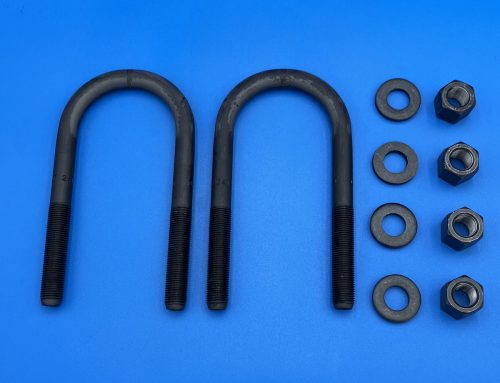
U-bolts are commonly considered torque-to-yield fasteners because they stretch slightly when tightened to specification. Once stretched under load, the hardware may no longer provide the same clamping force if reused.
Previously torqued U-bolts can develop:
- Thread fatigue
- Reduced elasticity
- Uneven clamping pressure
- Weakening under repeated stress cycles
Reusing old hardware increases the risk of suspension loosening and future failure.
Always Pair New Springs with New U-Bolts
Professional suspension installations should always include new U-bolts when replacing leaf springs. New hardware ensures proper clamping force and allows the suspension assembly to function safely under load.
Replacing springs without replacing U-bolts may save money temporarily, but it significantly increases the risk of future suspension issues and unsafe vehicle operation.
Expert Suspension Maintenance and Repair at John’s Spring & Suspension
Ensuring Your Installation is Safe and Secure
At John’s Spring & Suspension, our team understands the importance of precise suspension installation, proper torque procedures, and long-term vehicle safety. We provide professional leaf spring installation, custom U-bolt manufacturing, suspension inspections, retorque services, and heavy-duty suspension repairs for trucks, trailers, fleets, and off-road vehicles.
Our technicians use professional-grade equipment and manufacturer-approved torque procedures to ensure every suspension system performs safely under real-world working conditions.
Contact Us Today to Schedule Your Inspection or Retorque Service
Proper retorquing is one of the most important steps in protecting your suspension system after spring work. At John’s Spring & Suspension, we help drivers, fleets, and heavy-duty operators maintain safe, stable suspension performance with professional inspections, custom U-bolt solutions, and precise retorque services designed for long-term durability and reliability.
Contact us today to schedule your suspension inspection or retorque service and keep your truck, trailer, or fleet operating safely, smoothly, and securely under every load condition.