7 Warning Signs Your Utility Trailer Needs Immediate Suspension Repair
A utility trailer suspension carries the combined stresses of its own weight, cargo, road impacts, braking forces, and repeated loading cycles. When springs, U-bolts, shackles, equalizers, or related components begin to fail, the problem can quickly affect tire clearance, axle alignment, load stability, and towing performance.
Recognizing the warning signs early can help prevent a damaged suspension component from creating additional problems throughout the trailer chassis.
At John’s Spring and Suspension, we specialize in Suspension Repair for work and utility trailers in Reno, including leaf spring replacement, suspension upgrades, custom U-bolts, and chassis-related repairs.
7 Warning Signs Your Utility Trailer Needs Suspension Repair
Suspension problems do not always begin with a completely broken spring. Changes in ride height, tire wear, trailer movement, and component positioning can indicate that the suspension is already under excessive stress.
1. Sagging Rear End or Flattened Springs
Leaf springs are designed with an arch that allows them to flex as the trailer carries weight and travels over uneven surfaces. Repeated heavy loading can gradually flatten that arch.
A trailer sitting noticeably lower at the rear—or lower on one side—can indicate weakened or overloaded springs. John’s Spring and Suspension notes that flattened trailer springs can cause the backend to visibly sag and reduce available ground clearance.
Once a spring has lost its proper shape, the trailer may no longer distribute its load as intended. Depending on the application, replacing the worn springs or upgrading to properly rated heavy-duty springs may be necessary.
2. Tires Rubbing the Fender or Wheel Well
Tire-to-fender contact is more than a clearance issue. It can be a direct indication that the suspension is no longer maintaining the trailer at the correct ride height.
As springs flatten or sag under load, the distance between the tires and the underside of the fender decreases. John’s Spring and Suspension identifies tire rubbing against the fender or wheel well as a common symptom of trailer suspension problems.
Continued rubbing can damage the tire and should not be ignored. The underlying suspension issue needs to be inspected rather than treating tire damage as an isolated problem.
3. A Broken or Cracked Leaf Spring
A visibly cracked or broken leaf spring requires prompt attention.
The main leaf carries substantial structural load and connects the spring assembly to the trailer suspension – and trailer springs commonly break near the spring eye. A break elsewhere along the spring may also indicate another problem, including loose U-bolts.
Depending on the spring’s condition and application, replacing the complete spring is often more appropriate than replacing only an individual broken leaf.
Professional suspension repair services can also determine whether the failure resulted from normal fatigue, excessive weight, loose mounting hardware, or an under-rated suspension.
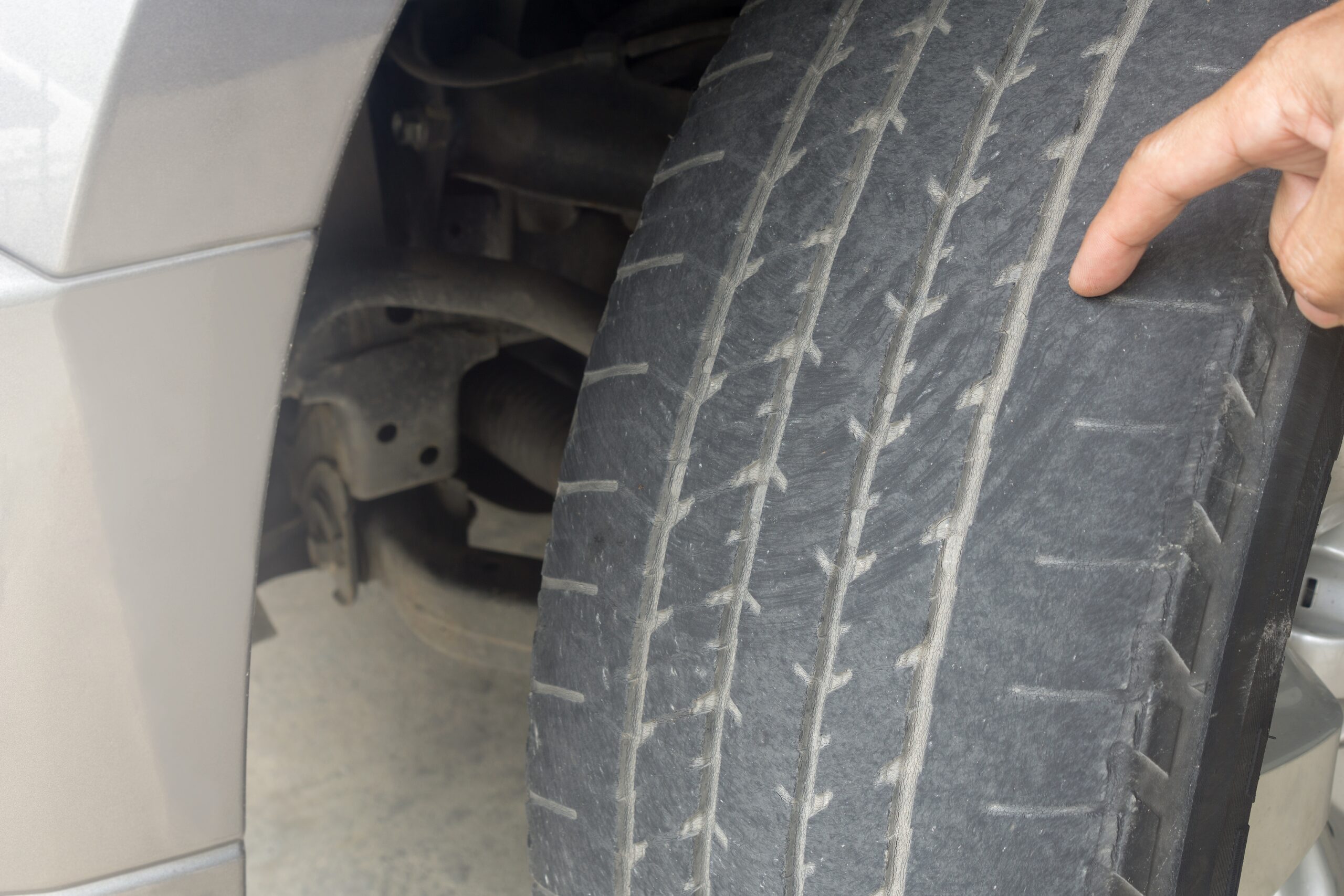
4. Misaligned Axles and Uneven Tire Wear
A trailer that continually wears tires unevenly should be inspected beyond the tires themselves.
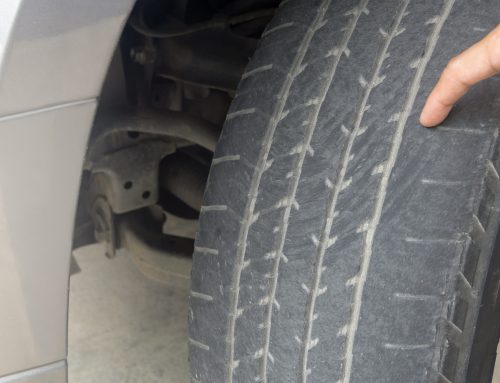
Misaligned axles can change how the tires contact the road, creating irregular wear patterns and affecting how the trailer tracks behind the tow vehicle. John’s Spring and Suspension specifically identifies axle misalignment as one of the symptoms associated with trailers needing suspension repair or replacement.
Suspension wear, damaged spring components, loose mounting hardware, or shifting components can all influence axle position.
If new tires begin wearing unevenly again, replacing the tires alone may not correct the underlying cause.
5. Clunking Noises or Excessive Bouncing While Towing
A properly functioning suspension should control trailer movement as the wheels encounter changes in the road surface.
Excessive bouncing, clunking, or unusual movement can indicate that suspension components are worn, loose, damaged, or no longer properly controlling the load. John’s Spring and Suspension also lists excessive bouncing and clunking noises among the signs that a trailer suspension needs attention.
These symptoms deserve particular attention when they appear suddenly or become more noticeable while the trailer is loaded.
An inspection can determine whether the problem involves leaf springs, shackles, equalizers, U-bolts, or another chassis component.
6. Loose U-Bolts and Shifting Spring Packs
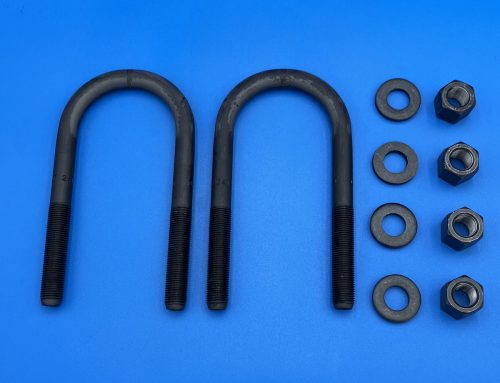
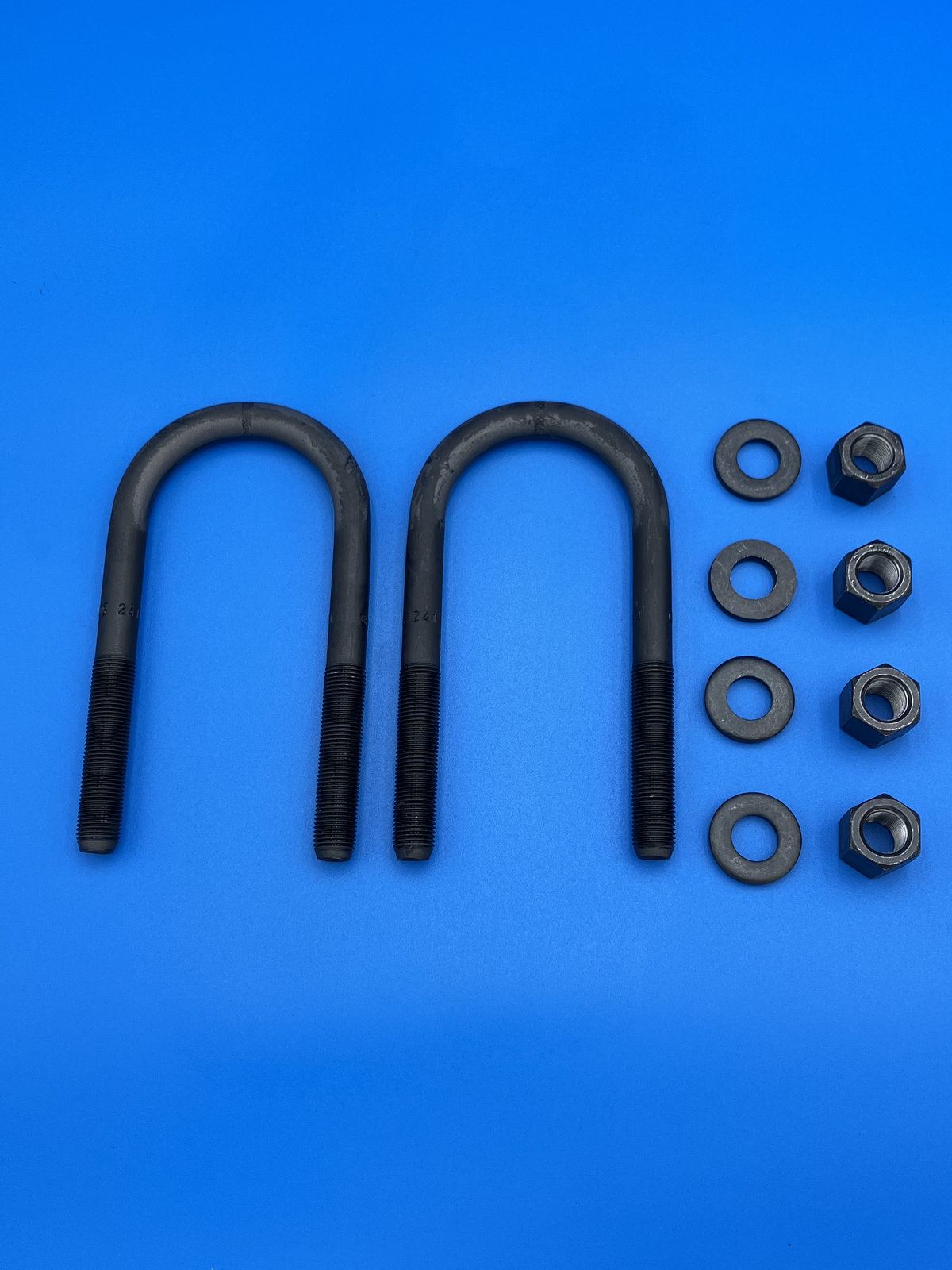
U-bolts secure the axle and spring assembly together. If they become loose, the components they are designed to clamp can begin moving under load.
That movement can affect axle positioning and place abnormal stress on the spring pack. When a trailer spring breaks somewhere other than near the spring eye, loose U-bolts can be an underlying cause. Our Reno shop also custom-makes U-bolts on-site for truck and trailer applications.
Loose, damaged, stretched, or improperly fitted U-bolts should be addressed as part of the overall suspension repair rather than viewed as separate hardware.
7. The Trailer Drags on Driveways and Inclines
If a trailer that previously cleared driveways or angled entrances begins scraping or dragging, reduced ride height may be responsible.
Flattened or weakened springs can lower the rear of the trailer enough to reduce ground clearance. Severe spring sag can cause the back of a trailer to drag when entering driveways or maneuvering through angled areas.
This is especially important for work trailers that routinely travel between jobsites, loading areas, and uneven surfaces.
Restoring the correct suspension height—or upgrading the spring capacity when appropriate—can improve trailer level and ground clearance.
What Causes Utility Trailer Suspension Failure
Trailer suspension components operate under repeated mechanical stress. Two factors are especially important when diagnosing premature spring failure: excessive load and harsh operating conditions.
Overloading and Under-Rated Stock Springs
A trailer does not need to experience a single severe overload for its springs to deteriorate. Repeatedly operating near the suspension’s limits can gradually flatten or fatigue leaf springs.
John’s Spring and Suspension notes that some stock trailers are equipped with the lowest spring rating compatible with the trailer, which may not hold up well when the trailer is regularly subjected to demanding work. The shop can evaluate the application and install heavier-duty springs when additional capacity and durability are needed.
The appropriate repair should consider how the trailer is actually used—not simply replace a failed component with the same setup without identifying why it failed.
Off-Road and Rough Terrain Damage
Jobsite trailers and equipment haulers frequently encounter conditions that are considerably harder on suspension components than smooth highway travel.
Potholes, uneven access roads, gravel surfaces, abrupt elevation changes, and off-road use repeatedly cycle the springs through compression and rebound while introducing additional impact forces.
John’s Spring and Suspension identifies off-road driving conditions as one of the primary reasons trailer springs can fail prematurely.
For trailers regularly exposed to demanding terrain, the suspension should be evaluated based on both load requirements and actual operating conditions.
Our Suspension Repair Services in Reno, NV
John’s Spring and Suspension provides specialized trailer suspension repair services for work trailers, utility trailers, equipment trailers, horse trailers, and other trailer applications in Reno and the surrounding areas. The team focuses heavily on suspension and chassis-related systems and stocks many of the components needed for these repairs.
Depending on the trailer and the problem, our services can include:
- Leaf spring repair and replacement
- Heavy-duty spring upgrades
- Spring capacity upgrades
- Custom U-bolts made on-site
- Shackle and equalizer replacement
- Suspension hardware replacement
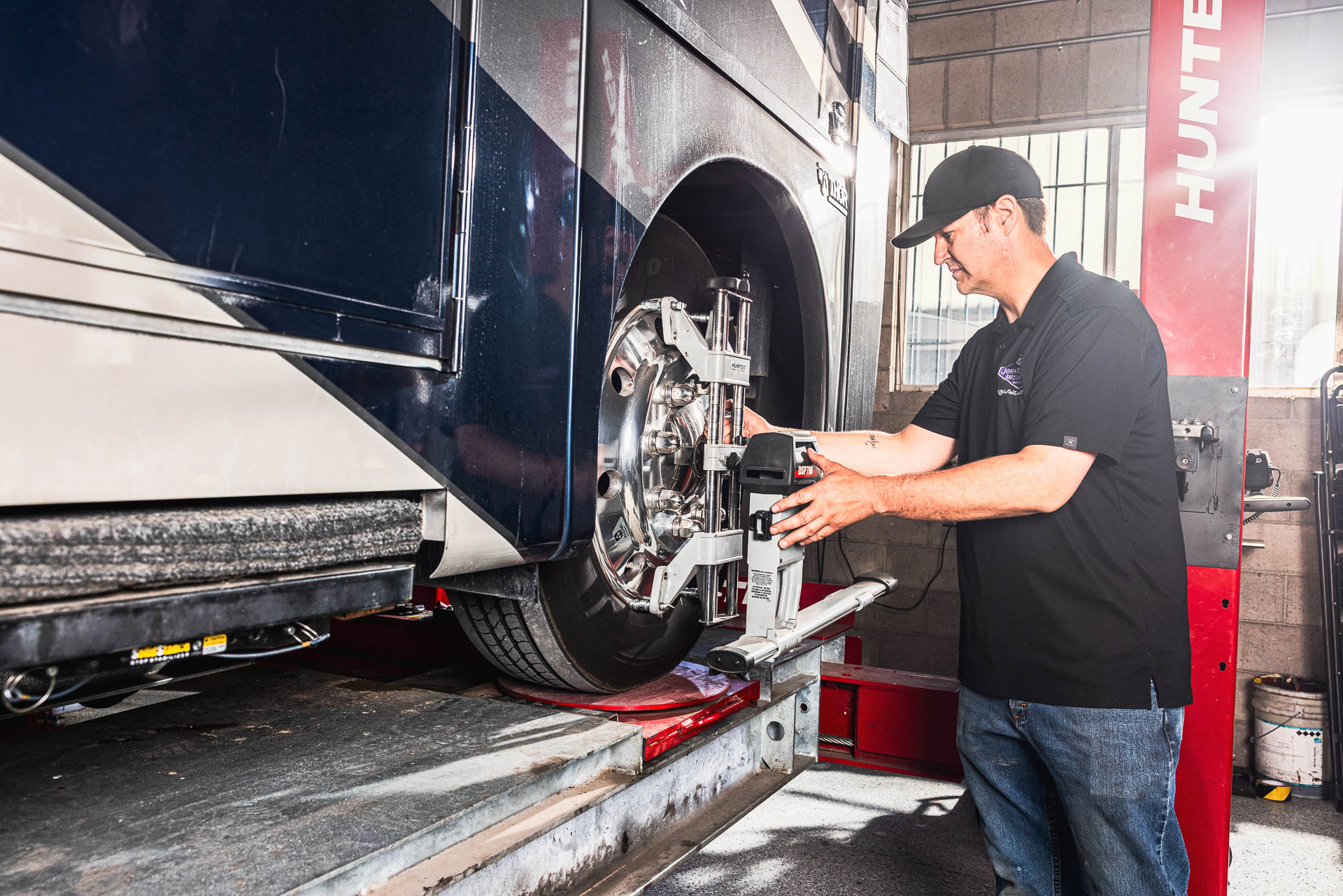
- Axle and suspension inspections
- Trailer brake service
- Wheel bearing inspection and repacking
- Minor welding and chassis-related repairs
When servicing trailer suspension, we can also inspect related brake and wheel-bearing components while the wheels are removed. This allows us to identify additional chassis concerns during the same visit.
Unlike a general truck repair shop that may handle suspension work as only one part of a much broader service menu, our team specializes in springs, suspension components, custom U-bolts, and chassis-related repairs for heavy-duty trucks and trailers.
Book Your Suspension Service at John’s Spring and Suspension Today!
A sagging trailer, rubbing tire, broken spring, shifting axle, or loose suspension component can become a much larger problem when the trailer continues working under load.
Bring your utility or work trailer to John’s Spring and Suspension in Reno, NV, for a professional suspension inspection. We’ll evaluate the problem, determine the appropriate repair or upgrade, and help get your trailer back to work with suspension components matched to its application.