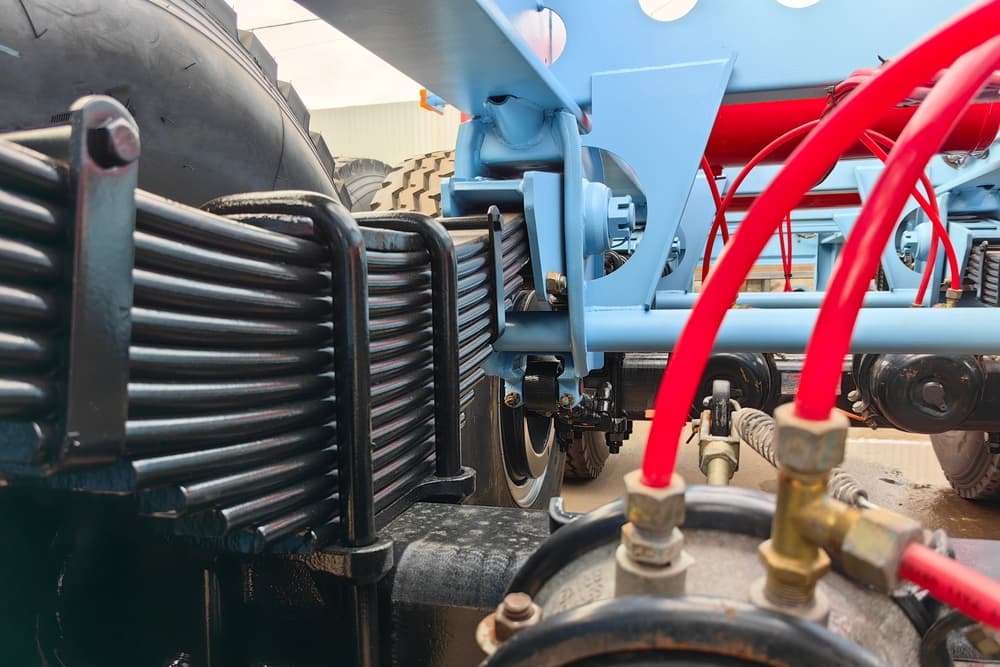
Choosing the right suspension system is essential for handling, stability, and long-term performance,especially if your vehicle relies on heavy duty leaf springs. Whether you drive a work truck, trailer, or commercial vehicle, understanding the differences between multi-leaf and parabolic springs helps you make a safer, more cost-effective decision. Both designs have strengths, but one may fit your load requirements better than the other.
What Are Parabolic Springs?
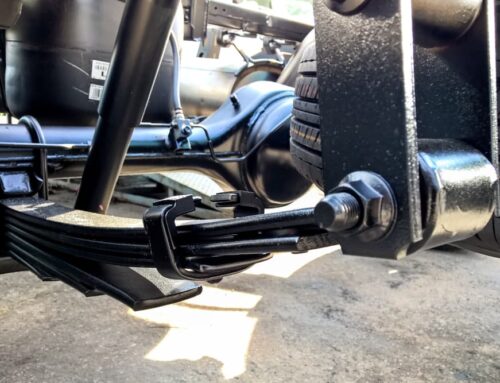
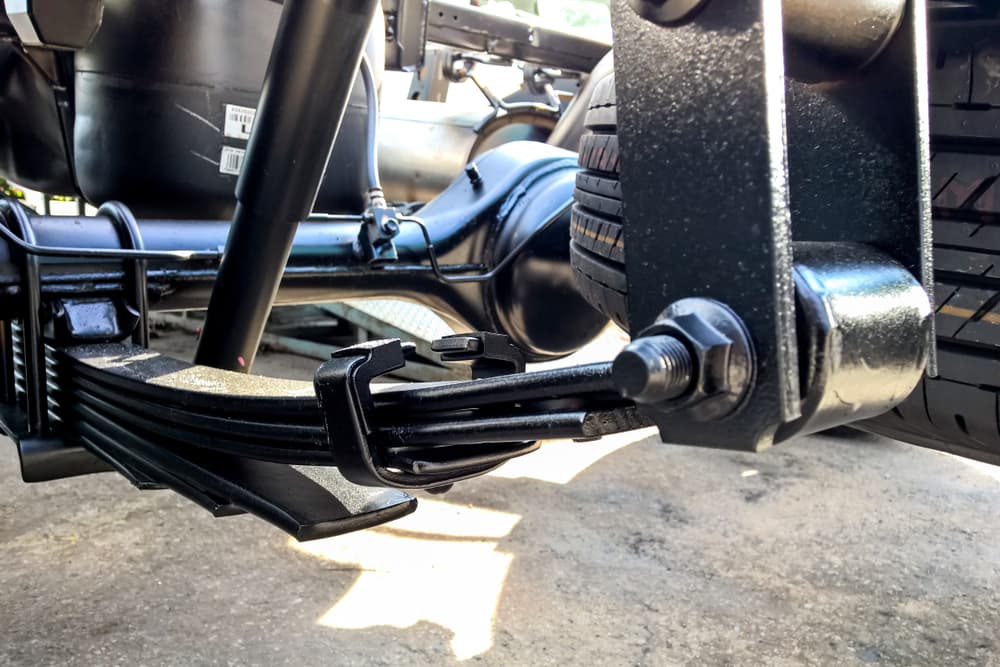
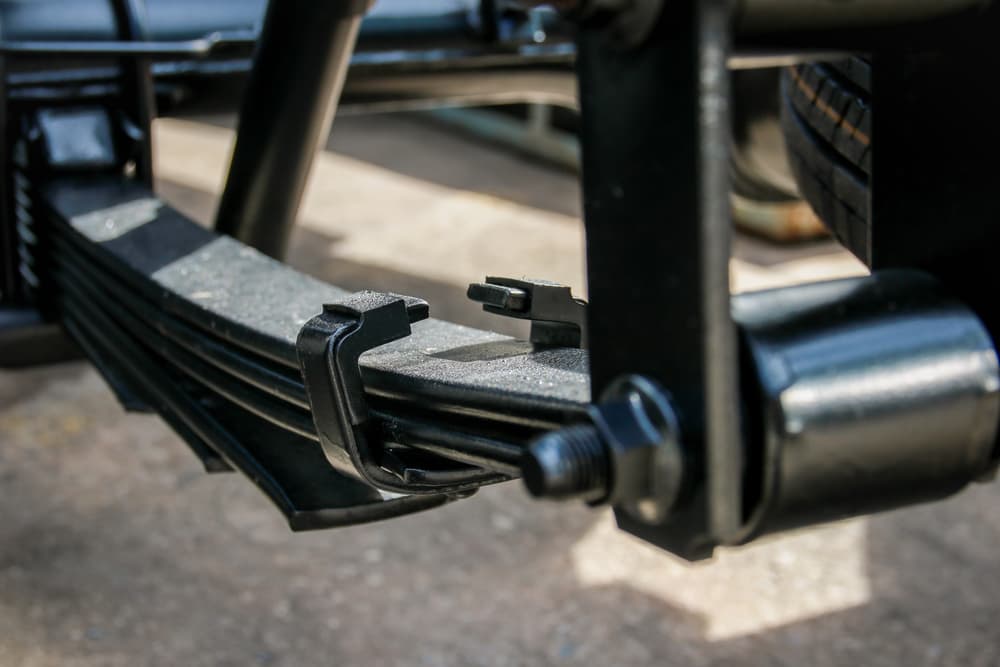
Parabolic springs are engineered with tapered, flexible leaf designs that are thicker at the center and thinner at the ends. Unlike traditional multi-leaf springs, each leaf operates independently, providing a smoother, more responsive ride. They’re commonly used in modern commercial and off-road vehicles where comfort, articulation, and weight reduction matter.
Pros
- Improved ride comfort thanks to reduced interleaf friction
- Lighter weight compared to multi-leaf springs
- Better articulation for off-road or uneven terrain
- Reduced noise and smoother suspension movement
Cons
- Typically not as durable under extreme or constant heavy loads
- More expensive to replace than standard multi-leaf springs
- Can be prone to sagging if overloaded
- Less ideal for vehicles requiring maximum hauling or towing strength
Key Differences Between Multi-Leaf and Parabolic Springs
While both spring types support vehicle weight and absorb road impact, they are built and function differently. Understanding these differences helps ensure your suspension matches your workload.
Multi-Leaf |
Parabolic Springs |
|
Design Structure: Built from several stacked steel leaves that share the load together, creating a strong, rigid structure ideal for heavy-duty use. Load Handling: Designed to withstand constant, high-weight hauling and towing. Its stacked construction distributes force evenly, making it reliable for work trucks, commercial trailers, and equipment-heavy vehicles. Ride Comfort: Offers a firmer, more rugged feel. It prioritizes strength over comfort, which is common in vehicles built primarily for work rather than everyday driving. Durability: Extremely durable and built to endure repeated strain, rough terrain, and long-term hauling. The layered design provides backup support even if one leaf begins to weaken. Weight: Heavier because of multiple stacked leaves, but the weight contributes to stability and strength under demanding use. Maintenance: Requires more routine inspection. The leaves can rub together, collecting debris and moisture that may lead to corrosion or increased wear. |
Design Structure: Made from one to three tapered leaves shaped like a parabola. Each leaf operates independently, reducing friction and allowing more controlled movement. Load Handling: Performs best with moderate or fluctuating loads. Its flexibility improves comfort and articulation but may not handle nonstop heavy weight as effectively. Ride Comfort: Known for delivering a noticeably smoother ride. The reduced interleaf contact allows the spring to flex more freely, absorbing bumps and vibrations with less noise and harshness. Durability: Still strong, but not ideal for vehicles that constantly operate near maximum load capacity. Excess weight can accelerate wear or cause premature sagging. Weight: Lighter by design, which reduces overall vehicle weight and can improve suspension responsiveness and fuel efficiency. Maintenance: Lower maintenance thanks to minimal leaf-to-leaf contact, reducing friction points and making them less prone to squeaking or binding. |
Which Suspension Type Is Best for Your Vehicle?
The best choice depends on how your vehicle is used daily. If you frequently haul heavy equipment, tow trailers, or operate a commercial work truck, multi-leaf springs offer superior strength and long-term durability. Their layered construction distributes weight more evenly, making them ideal for high-demand jobs.
If your priority is comfort, flexibility, and reduced vehicle weight,especially for moderate loads,parabolic springs may be the better option. They deliver excellent ride quality without sacrificing too much performance for general-duty applications. A suspension specialist can assess your load requirements, driving conditions, and vehicle type to recommend the right fit.
Common Signs Your Springs Need Replacement
- Your vehicle noticeably sags or leans to one side, showing the springs can no longer support the weight evenly.
- You experience a harsh, bouncy ride over bumps because the springs aren’t absorbing impact or stabilizing the vehicle correctly.
- You see cracks, gaps, or corrosion on the leaf springs, indicating weakened metal that may fail under load.
- You hear clunking or squeaking noises while driving, suggesting worn leaves or shifting suspension components.
- Your vehicle struggles to tow or stay level under load, meaning the springs are losing their strength and capacity.
- Your tires develop uneven wear patterns caused by the suspension sitting unevenly or shifting under weight.
Why Work With John’s Spring for Suspension Upgrades
Choosing the right suspension components is only half the equation,installing them correctly is what protects performance, stability, and safety. John’s Spring & Suspension provides expert guidance, precision workmanship, and solutions tailored to your load demands and driving conditions, ensuring your vehicle performs the way it should.
We’re ready to upgrade your suspension with expert recommendations, professional installation, and reliable support. Contact us today and let our team help you restore strength, stability, and performance to your vehicle. Shop With Us Now!
Frequently Asked Questions
Are parabolic springs better than multi-leaf springs?
Parabolic springs improve comfort, while multi-leaf springs deliver greater strength and stability. A suspension specialist evaluates load demands, driving conditions, and vehicle use to determine which option provides the safest, most reliable performance.
Can parabolic springs handle heavy loads?
Parabolic springs manage moderate or occasional loads well, but constant heavy hauling is better supported by multi-leaf designs. Proper evaluation of weight capacity ensures long-term durability and prevents premature sagging or reduced stability.
How long do multi-leaf springs typically last?
Multi-leaf springs often last many years when correctly matched to load requirements and maintained regularly. Lifespan depends on usage, corrosion exposure, and overall strain placed on the suspension during daily operation.
Is switching from multi-leaf to parabolic worth it?
Switching is beneficial when comfort and flexibility outweigh maximum load capacity. A suspension professional considers your towing needs, terrain, and weight patterns to determine whether upgrading to parabolic springs will improve performance.
How do I know which type my truck needs?
The right spring choice depends on towing demands, weight distribution, terrain, and daily vehicle use. A suspension evaluation helps determine whether stronger multi-leaf springs or more flexible parabolic springs best match your needs.