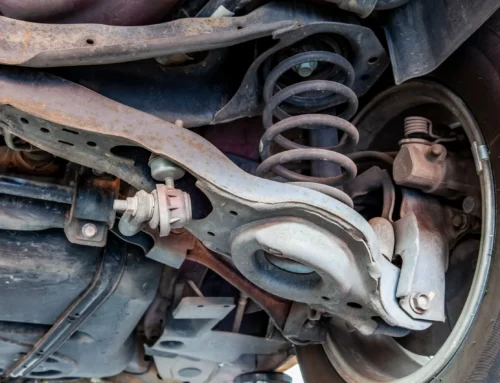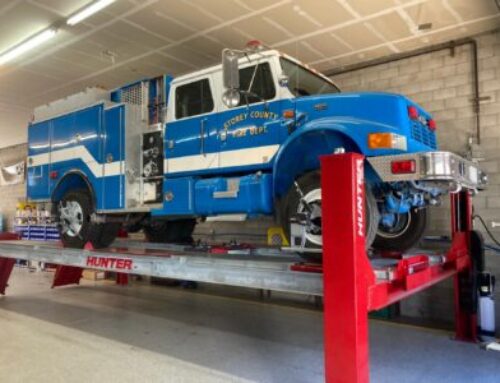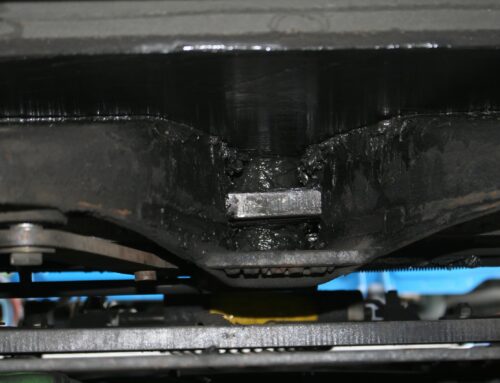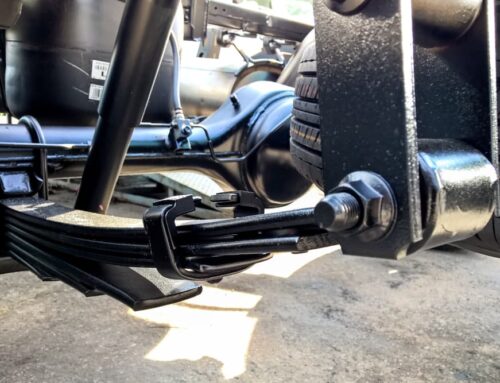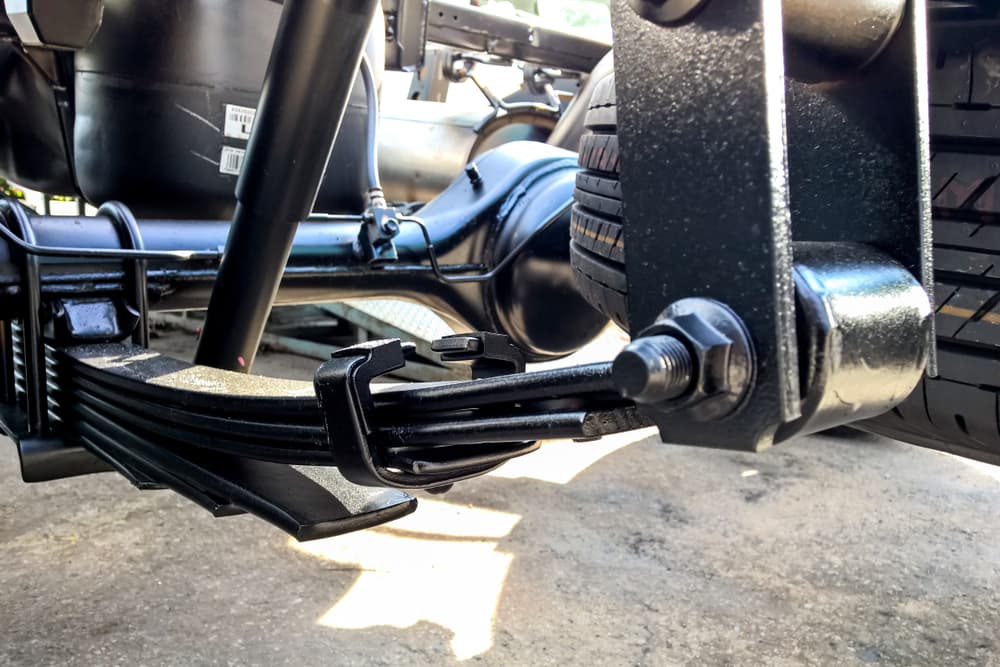
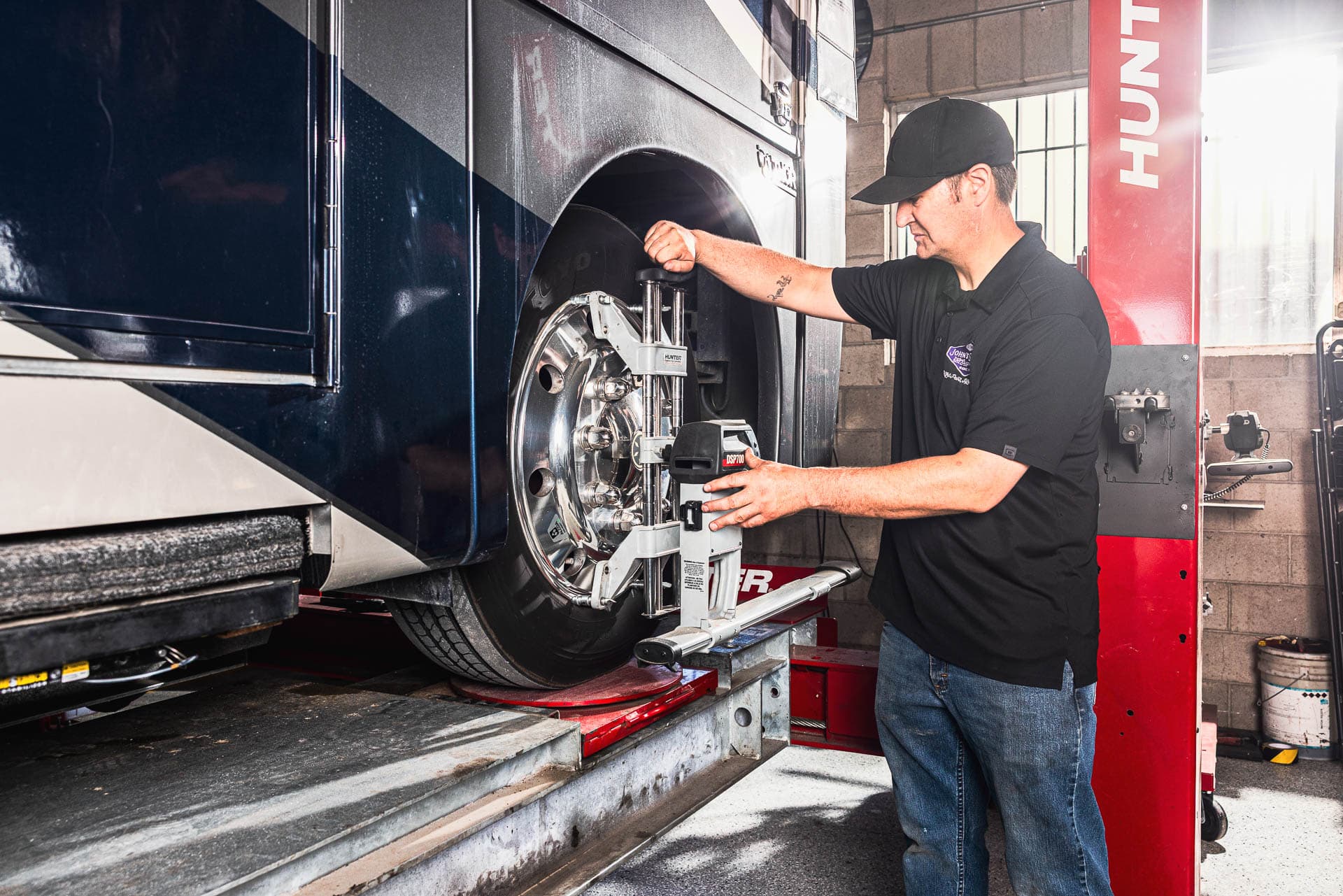
Truck alignment with drop axles differs from standard alignment because the additional axle changes how weight is distributed and how each tire maintains contact with the road. Proper drop axle alignment is critical for handling, tire longevity, and overall truck performance. When alignment is off, it can quickly create steering issues, accelerate tires wear, and increase operating costs for both owner-operators and fleet managers.
Understanding how drop axles affect suspension geometry helps drivers make smarter maintenance decisions and avoid long-term damage. According to the Federal Motor Carrier Safety Administration, improper wheel alignment and tire conditions are common contributors to commercial vehicle maintenance failures, directly affecting safety and fuel efficiency across heavy-duty fleets.
This article explains how drop axles impact alignment, what signs to watch for, and why specialized alignment services matter.
What Is a Drop Axle and How Does It Affect Truck Alignment?
A drop axle is an auxiliary axle installed behind the drive axle on heavy-duty trucks to help distribute load weight and meet axle load regulations. It can be raised when empty and lowered when carrying heavier cargo, allowing trucks to maintain stability while hauling.
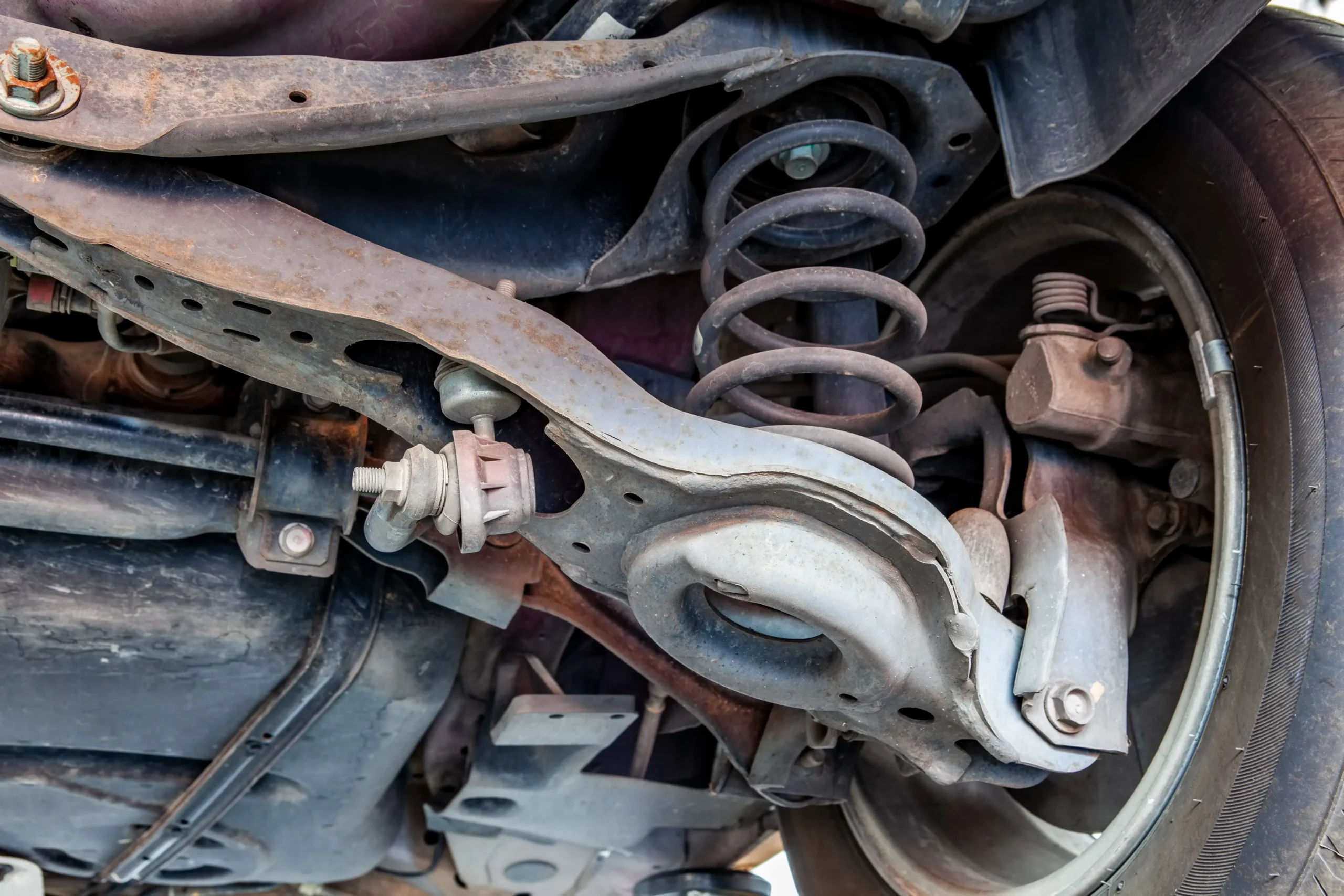
Because the axle moves based on load, it changes how weight is transferred across the suspension system. This affects:
- Steering geometry
- Tire contact with the road
- Load balance between axles
- Suspension angles under pressure
When weight shifts incorrectly, it influences tire tread contact, suspension stress, and overall alignment accuracy. Before addressing alignment problems, it’s important to understand how this axle interacts with the rest of the truck.
Why Is Drop Axle Alignment Different From Standard Truck Alignment?
Traditional alignment focuses mainly on the steering axle and drive axle. When a drop axle is added, the alignment process becomes more complex and must account for multiple load-bearing points.
With truck alignment drop axle configurations, technicians must evaluate the full system rather than adjusting individual wheels. Additional axles influence:
- How the truck tracks while driving straight
- Turning resistance and tire scrub
- Suspension load distribution
- Steering wheel centering
If the drop axle isn’t aligned to match the rest of the suspension, it can pull against the truck’s natural direction of travel, creating instability and increased stress on tires and components.
How Do Tag Axles Impact Overall Alignment and Tire Wear?
Tag axles work together with the primary axles to support heavy loads, but when tag axle alignment is off, the axle can slightly drag or push instead of rolling smoothly.
This often results in:
- Abnormal wear patterns
- Reduced handling stability
- Increased rolling resistance
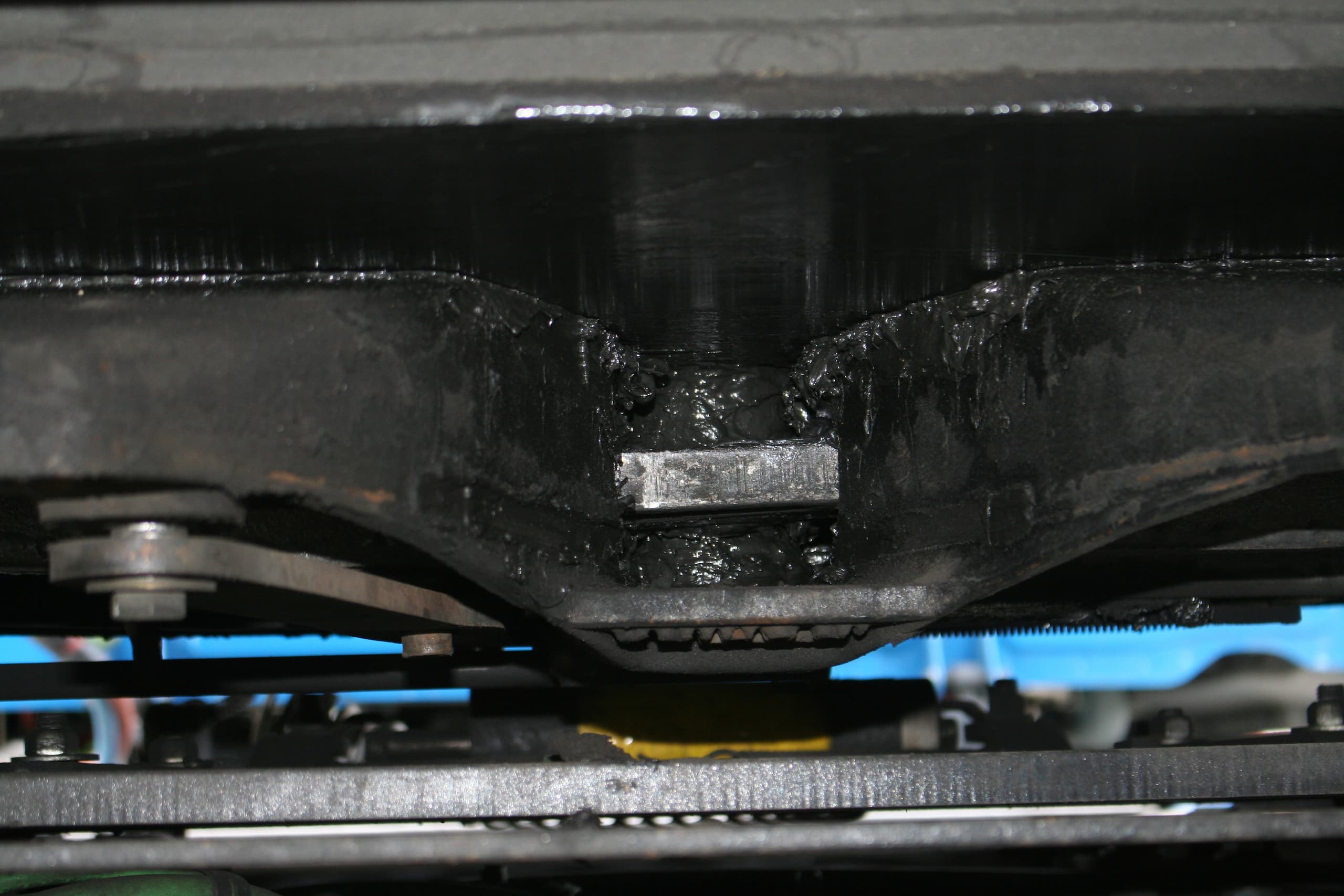
- Extra strain on suspension parts
A misaligned tag axle tire can develop damage faster than other tires because it absorbs uneven forces. Over time, this leads to premature replacement and higher maintenance costs. When axles aren’t working in sync, the entire suspension system feels the impact.
What Are the Signs of Improper Drop Axle Alignment?
Alignment problems usually show up gradually but worsen quickly if ignored. Drivers should watch for clear warning signs, including:
- Pulling left or right while driving straight
- Steering wheel not centered
- Excessive vibration at highway speeds
- Visible uneven tire wear
- Irregular tread wear across tires
You may also notice uneven tire surfaces forming across the tire tread, which often relates to improper angles, inconsistent tire pressure, and shifting axle positions.
Catching alignment issues early prevents serious damage and helps extend tire life.
What Should Be Checked During a Proper Drop Axle Alignment?
Effective alignment involves a full suspension system evaluation, not just wheel adjustments.
Best-practice checks typically include:
- Steering axle geometry
- Drive axle positioning
- Drop axle tracking angles
- Suspension bushings and mounts
- Load distribution under operating conditions
- Tire balancing for smoother travel
Technicians should also consider manufacturer guidelines in the owner’s manual and how everyday driving habits affect suspension wear.
This comprehensive approach ensures trucks remain properly aligned in real working conditions, not just in a shop bay.
Drop Axle Alignment Services at John’s Spring and Suspension
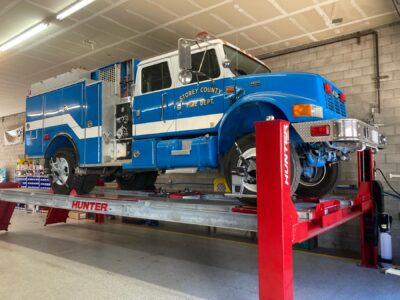
At John’s Spring and Suspension in Reno, we specialize in heavy-duty alignment and suspension systems for trucks equipped with drop and tag axles. Our team understands how added axles affect geometry, handling, and long-term performance.
We provide professional alignment services in Reno, Nevada that focus on system-wide accuracy rather than quick adjustments. By evaluating every axle together, we help reduce tread wear, improve fuel efficiency, and protect suspension components.
To learn more or schedule service, visit our heavy-duty truck alignment service page and see how we keep commercial vehicles performing safely and smoothly.
What Drivers Should Know About Drop Axle Alignment
Drop axles improve load capacity and stability, but they also require specialized alignment knowledge. Standard procedures don’t account for shifting weight distribution and multi-axle tracking.
When alignment isn’t handled correctly, problems such as uneven tire wear, steering issues, and premature component failure develop quickly. Professional evaluation keeps suspension systems balanced and operating efficiently.
Routine inspections and expert alignment services are the smartest way to protect tires, improve handling, and lower operating costs. If you’re searching for an alignment shop near you that understands drop axle systems, John’s Spring and Suspension offers the experience and precision your truck needs. Contact Us Now!