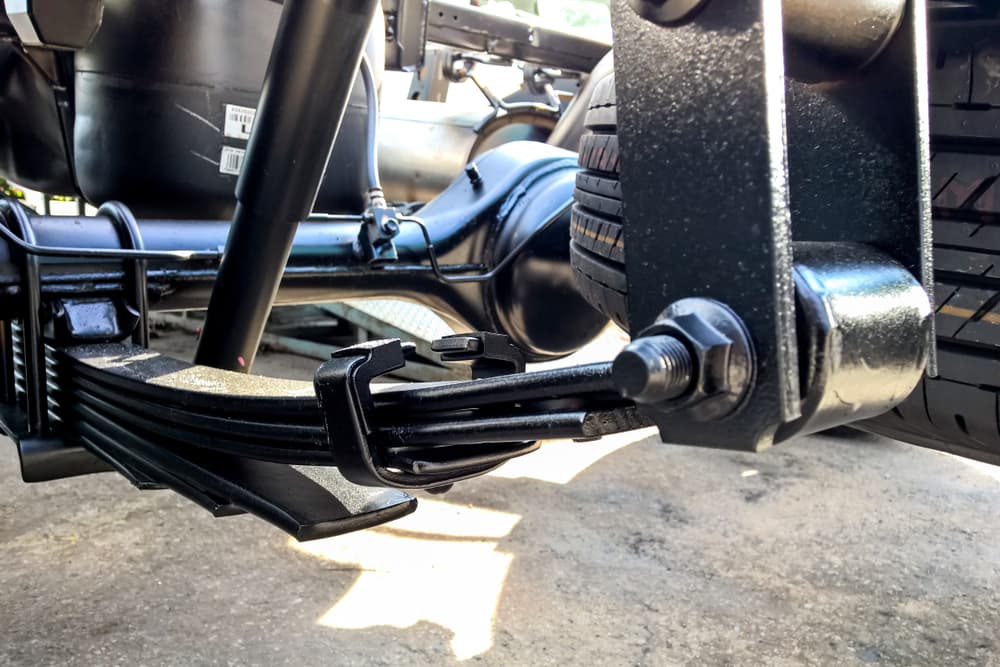
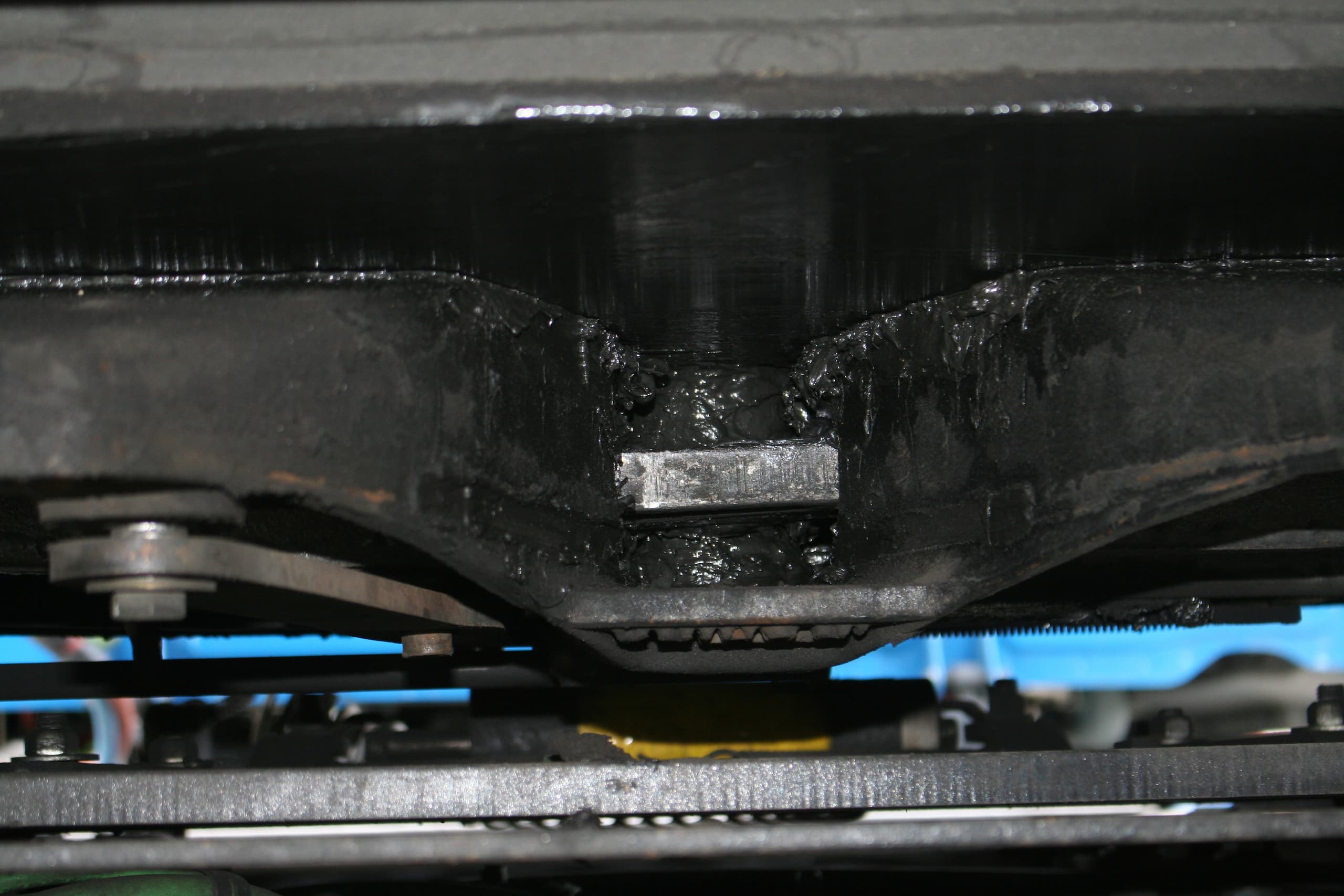
A kingpin steering axle is a critical component in many heavy-duty trucks, connecting the steering knuckle to the axle and allowing the front wheels to pivot smoothly as the driver turns the steering wheel. When this system is working properly, it supports stable handling, predictable steering response, and safe vehicle control, especially under heavy loads.
For truck owners and fleet managers, understanding how a kingpin steering axle functions is an important part of long-term vehicle care. Steering components wear gradually, and early awareness helps reduce safety risks and unplanned downtime. According to the National Highway Traffic Safety Administration (NHTSA), steering and suspension defects are recognized contributors to loss-of-control incidents in large trucks, underscoring the importance of routine inspection and maintenance.
Recognizing how wear develops, which symptoms to watch for, and when to take action can help drivers make smarter decisions about steering system maintenance before small issues become major problems.
What Is a Kingpin Steering Axle and What Does It Do?
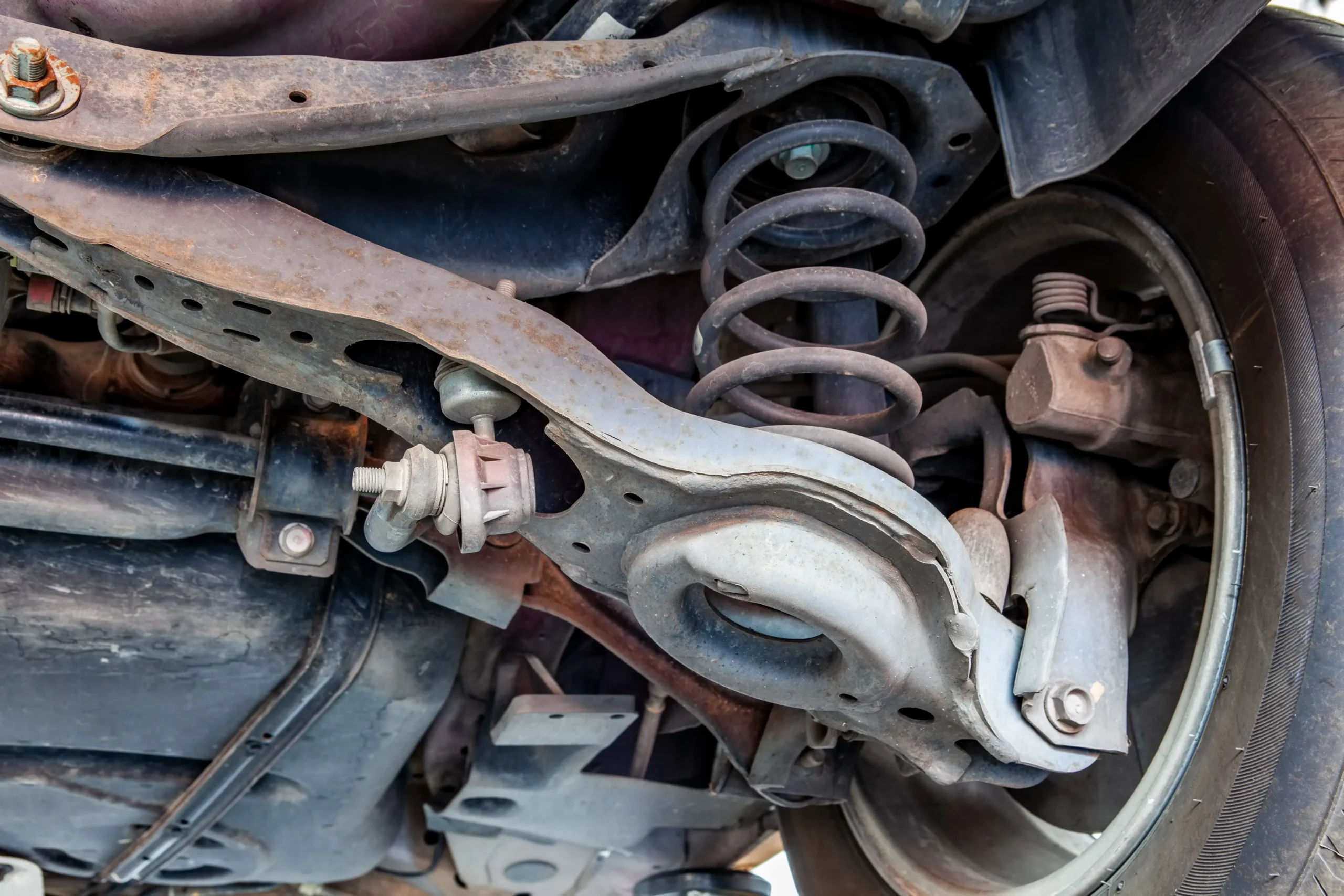
In simple terms, a kingpin steering axle uses a hardened steel pin, called a kingpin, to connect the steering knuckle to the axle beam. This pin allows the front wheels to turn left and right while supporting the truck’s vertical load.
The kingpin assembly plays a major role in:
- Maintaining steering stability
- Supporting front-end weight
- Allowing smooth, controlled wheel movement
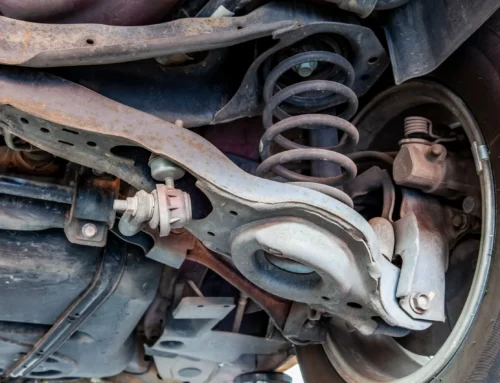
Because the front axle absorbs constant stress from braking, turning, and road conditions, the kingpin assembly must remain tight and properly lubricated. When wear develops, steering precision and overall vehicle control can suffer.
What Are the Most Common Kingpin Wear Symptoms?
Drivers often notice kingpin wear symptoms gradually rather than all at once. Recognizing early warning signs can help prevent more serious steering problems.
Common indicators include:
- Wandering or drifting while driving straight
- Steering that feels loose or inconsistent
- Uneven or rapid front tire wear
- Steering wheel shake or vibration
These symptoms may initially appear intermittently, especially at highway speeds or during braking. Even subtle changes in steering behavior are worth noting, as kingpin wear tends to worsen over time if left unaddressed.
What Causes Kingpin Wear in Heavy Trucks??
Kingpin wear is influenced by a combination of operating conditions and maintenance factors. Even well-maintained trucks experience wear over time.
Common contributors include:
- High front-axle loads
- Frequent turning in tight spaces
- Rough road surfaces
- Insufficient or inconsistent lubrication
Trucks operating in demanding environments, such as regional hauling routes or stop-and-go applications, may experience accelerated wear. Environmental exposure, road debris, and long service intervals also affect kingpin lifespan
When Should a Kingpin Steering Axle Be Inspected or Replaced?
Rather than relying on mileage alone, inspections should be prompted by symptoms and operating conditions. When heavy truck steering issues become noticeable, it’s a clear signal that professional evaluation is needed.
Drivers should consider inspection if they notice:
- Changes in steering feel
- Abnormal tire wear patterns
- Increased steering correction while driving
Preventative inspections help catch wear early, often reducing the scope of repairs and minimizing downtime. Proactive attention keeps steering systems operating safely and predictably.
Kingpin Service and Steering Repairs at John’s Spring and Suspension
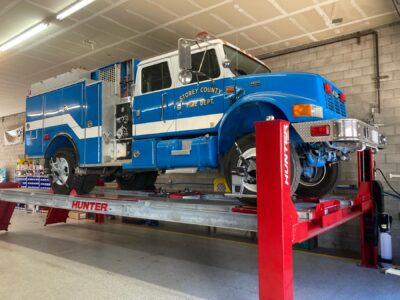
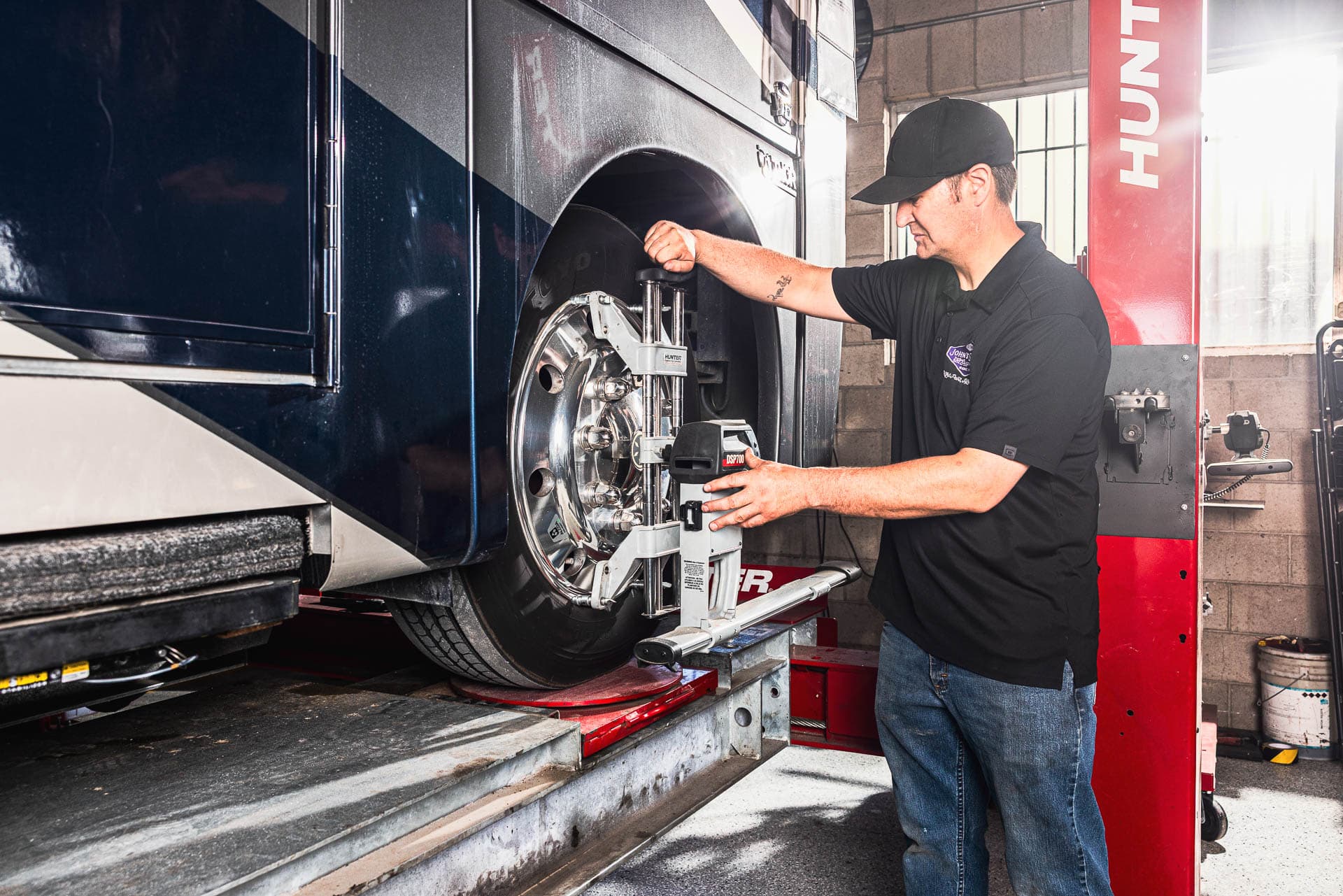
At John’s Spring & Suspension in Reno, we work with heavy-duty trucks every day, and we understand how critical steering systems are to safety and uptime. From steering axles to suspension components, our team focuses on practical solutions that support real-world driving demands in Northern Nevada.
We take a straightforward, experience-based approach to heavy truck steering and suspension service. If you’re noticing changes in handling or want expert input, our shop page is the best place to start. You can learn more or schedule a consultation through our shop page to keep your truck operating with confidence.
What Reno Drivers Are Saying
Choosing a shop for steering and suspension work comes down to trust and real-world results. Local drivers often share their experiences after service, especially when improved handling and vehicle confidence make an immediate difference.
Ivy, A. – “Replaced my shocks and did an add a leaf in the rear of my old truck for added durability towing a trailer or loading the bed down. Also aligned it for me! Honest price and great service!”
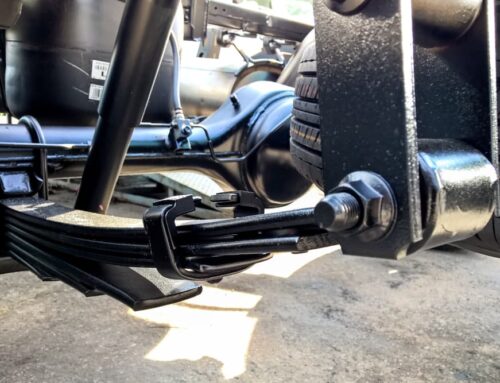
Matthew, C. – “Repeated great service! They were able to build me 4 custom leaf springs and custom fit bushings for a part even with a filled schedule. Have done business with them now multiple times and have been happy every time.”
These experiences reflect what many drivers value most: clear communication, dependable workmanship, and confidence behind the wheel after every service.
What Drivers Should Remember About Kingpin Steering Axles
A kingpin steering axle plays a foundational role in heavy truck safety and control. When wear develops, handling, alignment, and driver confidence are all affected. Recognizing symptoms early and responding with timely inspection helps prevent more serious steering problems. Proactive steering and suspension care supports safer driving, longer tire life, and more reliable overall performance.
If you have questions about your truck’s steering or want a second opinion, reach out to our team! We’re always happy to talk things through and help you keep your truck handling the way it should.