Heavy-duty trucks rely on specialized braking systems designed to safely stop large vehicles under heavy loads. Heavy duty air brakes use compressed air instead of hydraulic fluid to activate braking components. These systems are built for durability and consistent performance in commercial vehicles, but they still require routine inspection and maintenance to operate safely.
According to the Federal Motor Carrier Safety Administration, brake-related violations remain one of the most common issues found during commercial vehicle roadside inspections, highlighting the importance of regular brake system maintenance.
Understanding how air brake systems function and what warning signs to watch for can help drivers and fleet managers prevent costly repairs or safety issues.
How Do Heavy-Duty Air Brakes Work?
Many drivers understand that air brakes are different from passenger vehicle braking systems, but the system itself follows a straightforward mechanical process.
Heavy-duty air brake systems use compressed air stored in tanks to apply pressure to braking components. When the driver presses the brake pedal, air pressure travels through the system and activates brake chambers, which then apply mechanical force to the brake assembly. This force pushes brake shoes or pads against the braking surface, slowing the vehicle.
Because compressed air can generate consistent pressure even under heavy loads, this design allows commercial trucks and trailers to maintain reliable braking performance when hauling significant weight.
What Are the Main Components of a Heavy-Duty Air Brake System?
Air brake systems include several interconnected components that work together to control braking force and maintain consistent pressure.
Key elements include:
- Air compressor – Generates compressed air used throughout the braking system
- Air storage tanks – Hold pressurized air until braking is needed
- Air brake chamber – Converts air pressure into mechanical braking force
- Slack adjusters and linkages – Transfer motion to the braking assembly
- Air lines and valves – Regulate pressure flow throughout the system
Each component must function correctly for the braking system to respond safely. Understanding how parts like the air brake chamber operate helps drivers recognize how braking pressure is generated and transmitted through the vehicle.
What Should Be Included in an Air Brake Inspection?
Routine inspections play an important role in maintaining brake performance and preventing mechanical failures in commercial vehicles.
A proper air brake inspection typically includes:
- Checking air pressure levels and compressor operation
- Inspecting brake chambers for proper movement
- Evaluating slack adjusters and linkage alignment
- Examining air lines, valves, and hoses for leaks or damage
- Confirming mechanical components are secure and functioning properly
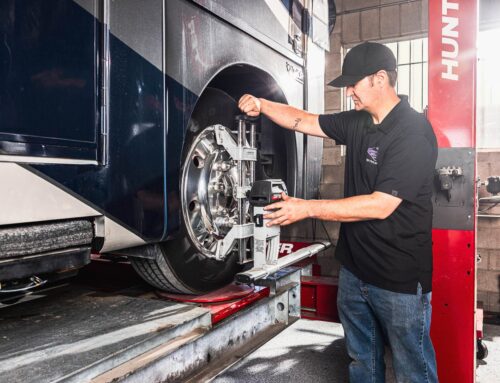
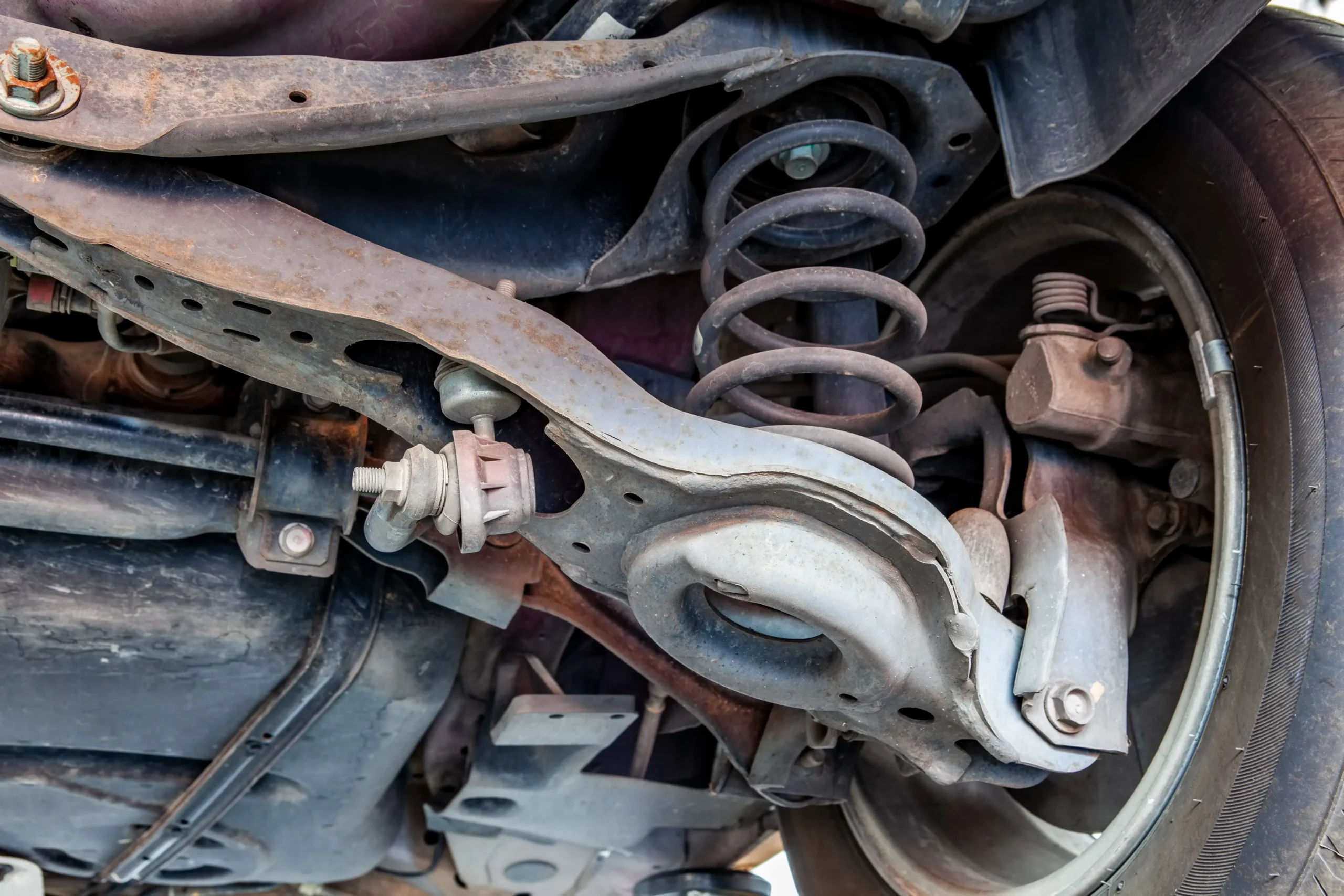
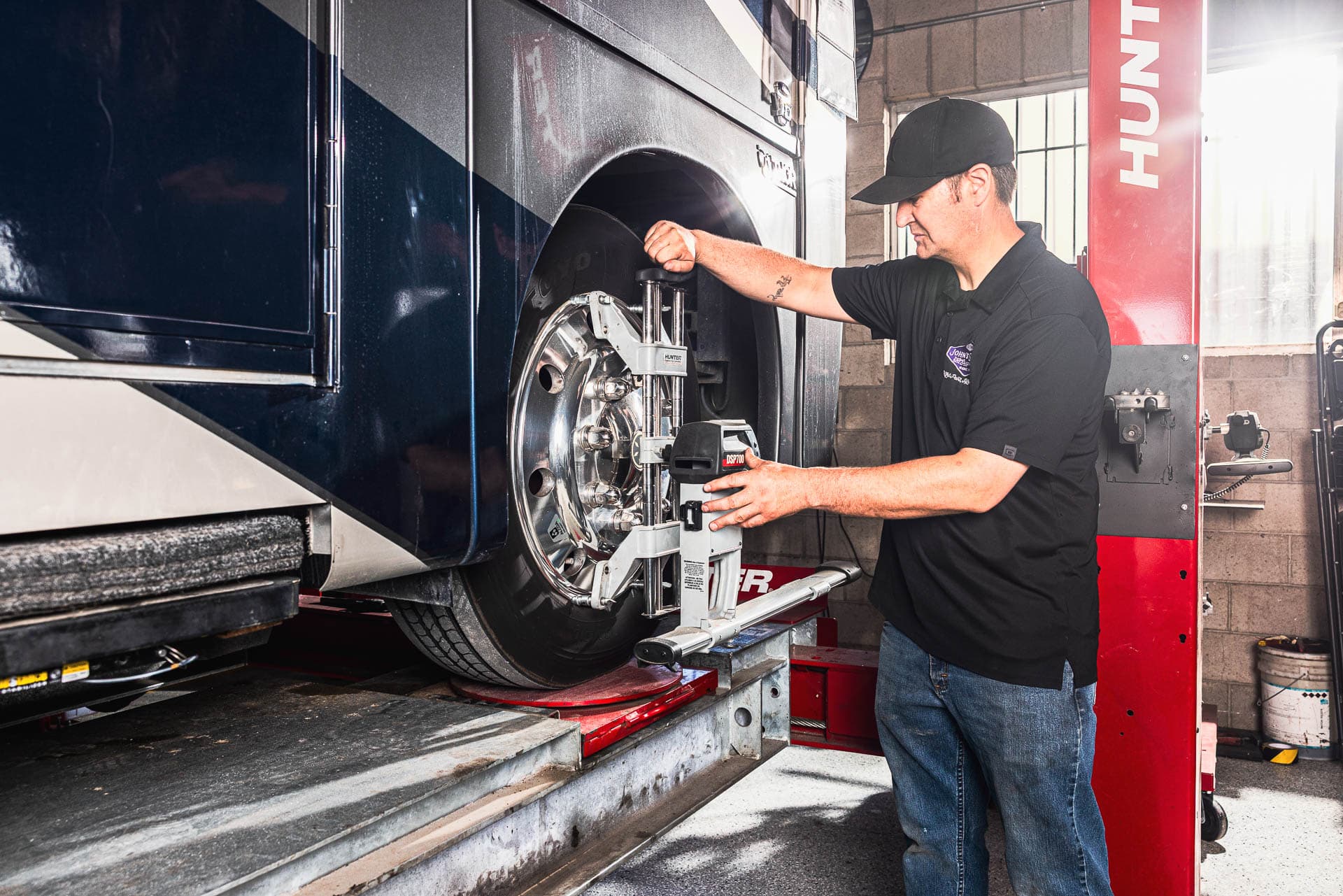
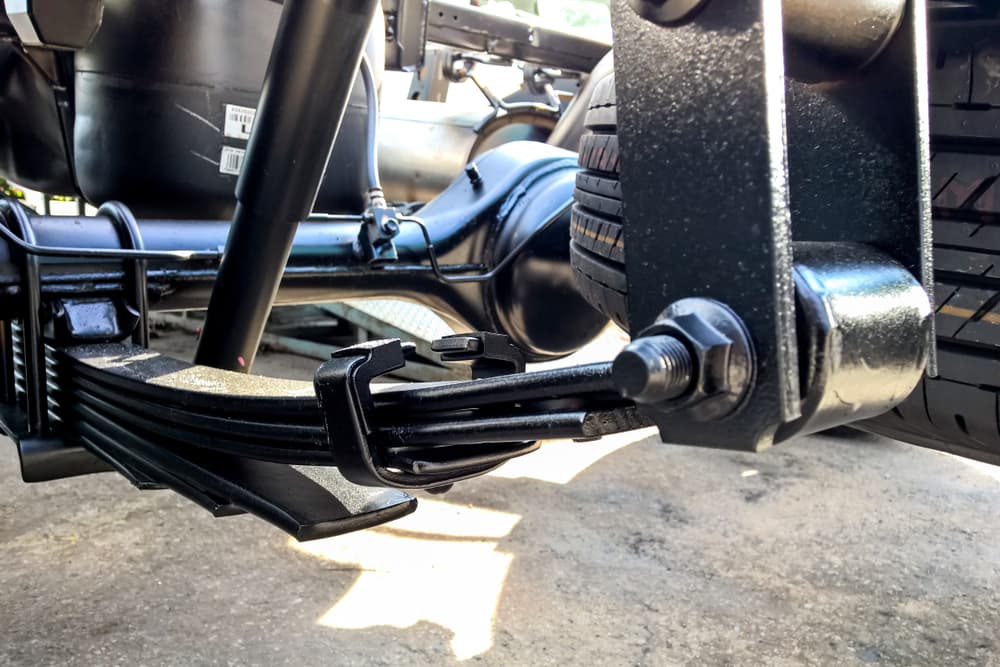
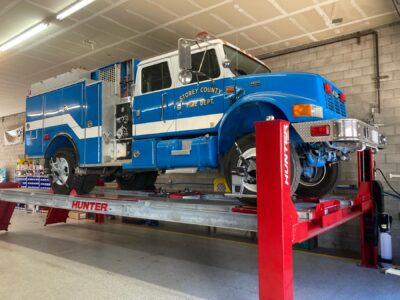
Professional inspections help identify issues that drivers may not notice during daily operation. For example, technicians often evaluate suspension alignment and steering components during related maintenance, which is why many fleet operators schedule inspections alongside heavy-duty truck alignment services at Johns Spring & Suspension to maintain proper handling and braking balance.
What Are Common Warning Signs of Air Brake Problems?
Brake system issues often appear through early warning signs before a serious failure occurs. Recognizing these symptoms can help drivers address maintenance issues early and avoid costly downtime.
Common warning signs include:
- Reduced braking responsiveness
- Unusual noises when braking
- Inconsistent air pressure readings
- Excessive stopping distance
- Vibrations or pulling during braking
Data from the Commercial Vehicle Safety Alliance indicates that brake system violations consistently rank among the most frequent mechanical issues identified during commercial vehicle inspections.
Recognizing early indicators such as slack adjuster symptoms or pressure fluctuations allows technicians to diagnose issues before they develop into more serious braking failures.
What Causes Air Brake System Leaks?
Air brake systems depend on sealed components to maintain consistent pressure throughout the braking system.
Leaks can develop in hoses, valves, fittings, or air tanks due to wear, corrosion, or vibration over time. Even small leaks may cause gradual pressure loss that reduces braking responsiveness and overall system reliability.
When air pressure escapes from the system, drivers may notice slower brake response or inconsistent braking force. Vehicles experiencing pressure loss may be dealing with a brake system leak, which should be diagnosed and repaired as soon as possible to maintain safe operation.
Where Can Fleet Operators Service Heavy-Duty Brake Systems in Reno, Nevada?
Heavy-duty braking systems require specialized inspection and repair expertise, especially for trucks and commercial vehicles that operate under demanding conditions.
At Johns Spring & Suspension, technicians inspect suspension components, brake chambers, air lines, and related systems to identify worn parts that could affect braking performance. Routine inspections help fleet operators maintain vehicle safety while minimizing unexpected mechanical issues.
Many drivers schedule brake inspections alongside heavy-duty truck alignment services, since suspension alignment and braking performance often work together to support safe vehicle handling.
Professional maintenance helps identify component wear, pressure issues, and alignment concerns that could otherwise affect stopping distance or overall vehicle stability.
Why Is Regular Brake Maintenance Critical for Heavy-Duty Vehicles?
Preventative maintenance plays a critical role in keeping commercial vehicles operating safely and efficiently.
Routine inspections allow technicians to identify worn components, pressure issues, and air leaks before they develop into serious mechanical problems that could affect braking performance.
According to safety data published by the National Highway Traffic Safety Administration, mechanical maintenance issues—including brake system defects—are a key factor addressed during commercial vehicle safety inspections across the United States.
Maintaining heavy duty air brakes properly helps ensure reliable stopping performance, protect drivers and cargo, and support safe vehicle operation for commercial fleets.
Schedule an Inspection for Your Commercial Vehicle
If your commercial vehicle requires inspection or maintenance, addressing brake or suspension issues early can help prevent larger repairs and unexpected downtime.
Drivers and fleet managers can learn more about heavy-duty truck alignment services and schedule a professional inspection to keep commercial vehicles operating safely, efficiently, and reliably on the road.