Tie rod end symptoms are often overlooked until steering performance noticeably declines, putting both safety and efficiency at risk. For heavy-duty trucks, early detection is essential to prevent costly repairs, uneven tire wear, and downtime. Understanding these warning signs helps fleet managers maintain reliable steering systems and protect long-term vehicle performance.
The Crucial Role of Tie Rods in Heavy-Duty Truck Steering
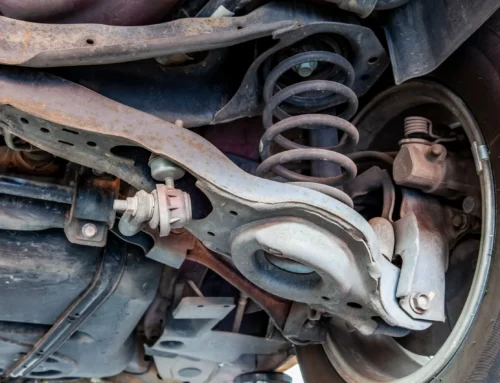
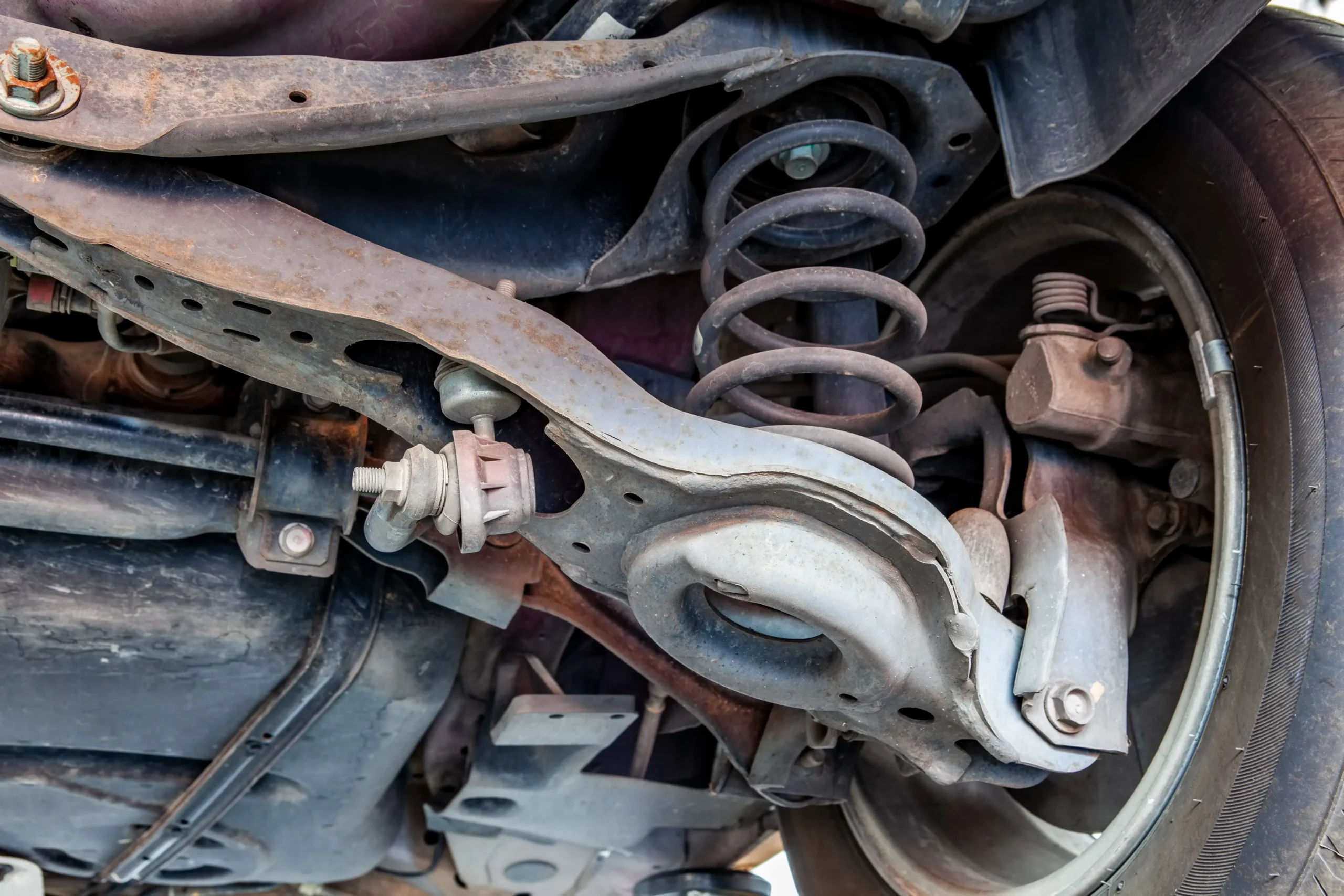
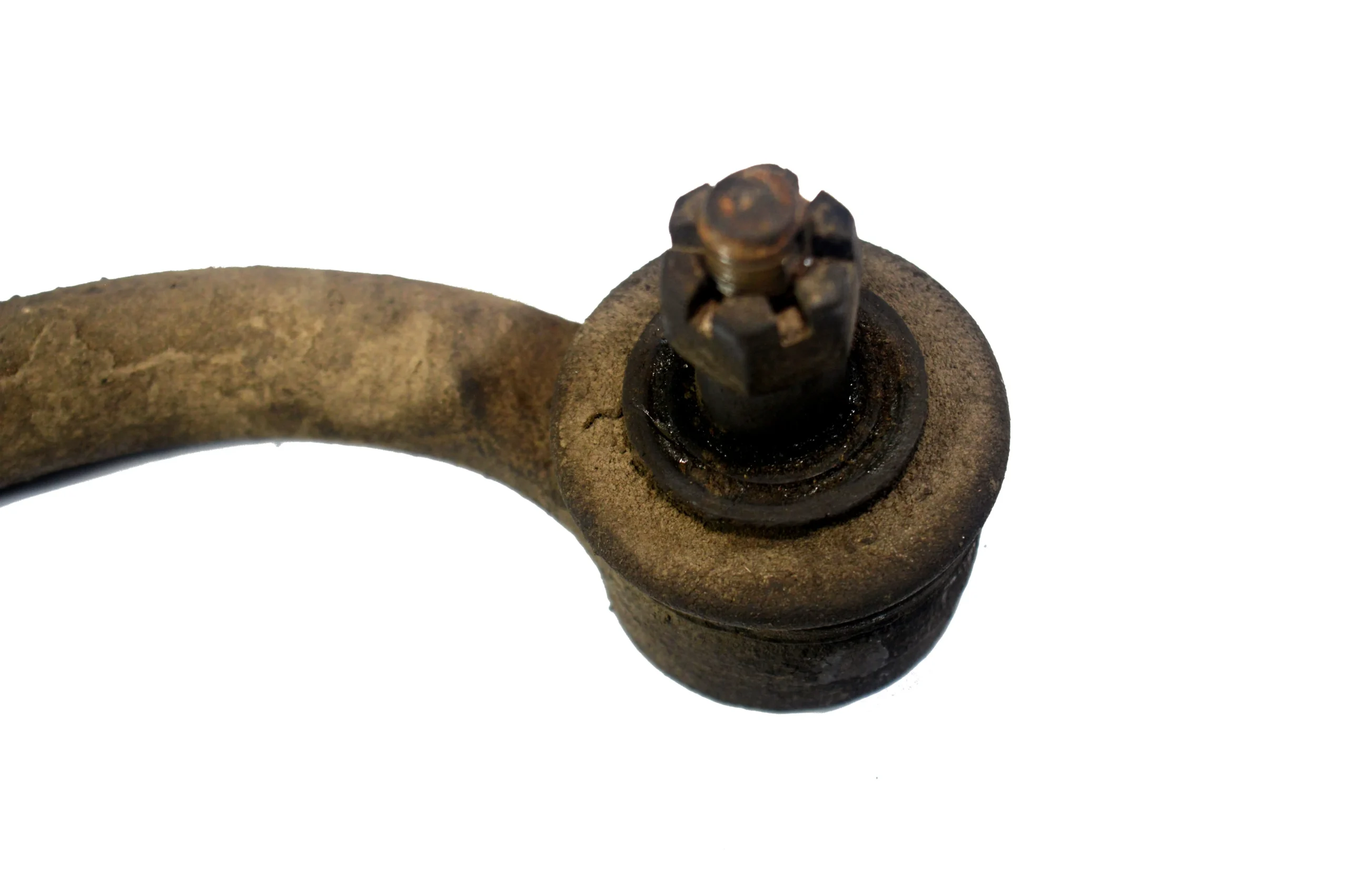
Tie rods are essential steering components that connect the steering system to your front wheels, allowing precise control and stability. Each outer tie rod links the steering knuckle to the rack and pinion, translating driver input into directional movement. In heavy-duty trucks, where load demands are high, even a slightly worn tie rod can impact steering accuracy, safety, and overall performance. Maintaining a properly functioning steering and suspension system is critical to avoid excessive play, uneven tire wear, and costly breakdowns that disrupt operations.
Common Tie Rod End Symptoms Every Fleet Manager Should Watch For
Recognizing early tie rod end symptoms can help prevent major mechanical failures and reduce downtime. A failing tie rod often shows subtle signs before becoming a serious issue, making routine monitoring a good idea for fleet reliability.
Key warning signs include:
- Loose tie rod causing unstable steering response
- Uneven tire wear across front tires
- Steering wheel vibration during operation
- Excessive play when turning the wheel
- Vehicle begins to pull to one side
These symptoms indicate that your steering components may be wearing down, and immediate attention is necessary to maintain safe handling and proper wheel alignment.
Recognizing Bent Tie Rod Symptoms Before Total Failure
Bent tie rod symptoms are especially dangerous because they often result from impact or stress, such as hitting potholes or curbs under heavy loads. A bent tie rod can quickly compromise your truck’s ability to steer correctly and may lead to sudden failure if ignored.
Look for these signs during a visual inspection:
- Misaligned front wheels even after alignment adjustments
- Steering wheel off-center when driving straight
- Noticeable changes in tire tread wear patterns
- Reduced responsiveness when turning
Because a bent or damaged tie rod directly affects steering geometry, it’s critical to address these issues immediately before they escalate into more severe steering failures.
Steering Wander: Why Your Truck Struggles to Stay in Its Lane
Steering wander is one of the most common and dangerous tie rod end symptoms in heavy-duty vehicles. When tie rods become loose or worn, they lose their ability to keep the front wheels aligned, causing the truck to drift unpredictably.
Drivers may notice:
- Constant need to correct steering direction
- Difficulty maintaining a straight path
- Increased driver fatigue during long hauls
This condition not only affects driving comfort but also increases the risk of accidents. Steering wander often points to a bad tie rod or other compromised steering components, making prompt inspection essential.
Ignoring Front End Vibration: A Major Red Flag for Your Steering System
Front end vibration is another critical indicator of a failing tie rod. While vibration can stem from multiple issues, worn tie rod ends are a frequent cause, especially in trucks exposed to heavy loads and rough road conditions.
Common causes linked to tie rods include:
- Loose tie rod connections creating instability
- Imbalanced or damaged wheels
- Misalignment within the steering and suspension system
If left unaddressed, front end vibration can worsen over time, leading to additional damage across multiple steering components. Early diagnosis ensures smoother operation and protects your vehicle from further wear.
How Bad Tie Rods Ruin Your Truck Alignment and Destroy Tires
A bad tie rod has a direct impact on truck alignment tie rod performance, affecting how your wheels track and wear over time. When tie rods are worn or loose, they allow improper movement in the front wheels, disrupting precise wheel alignment.
This leads to:
- Rapid and uneven tire wear
- Reduced tire lifespan and increased replacement costs
- Poor handling and compromised braking performance
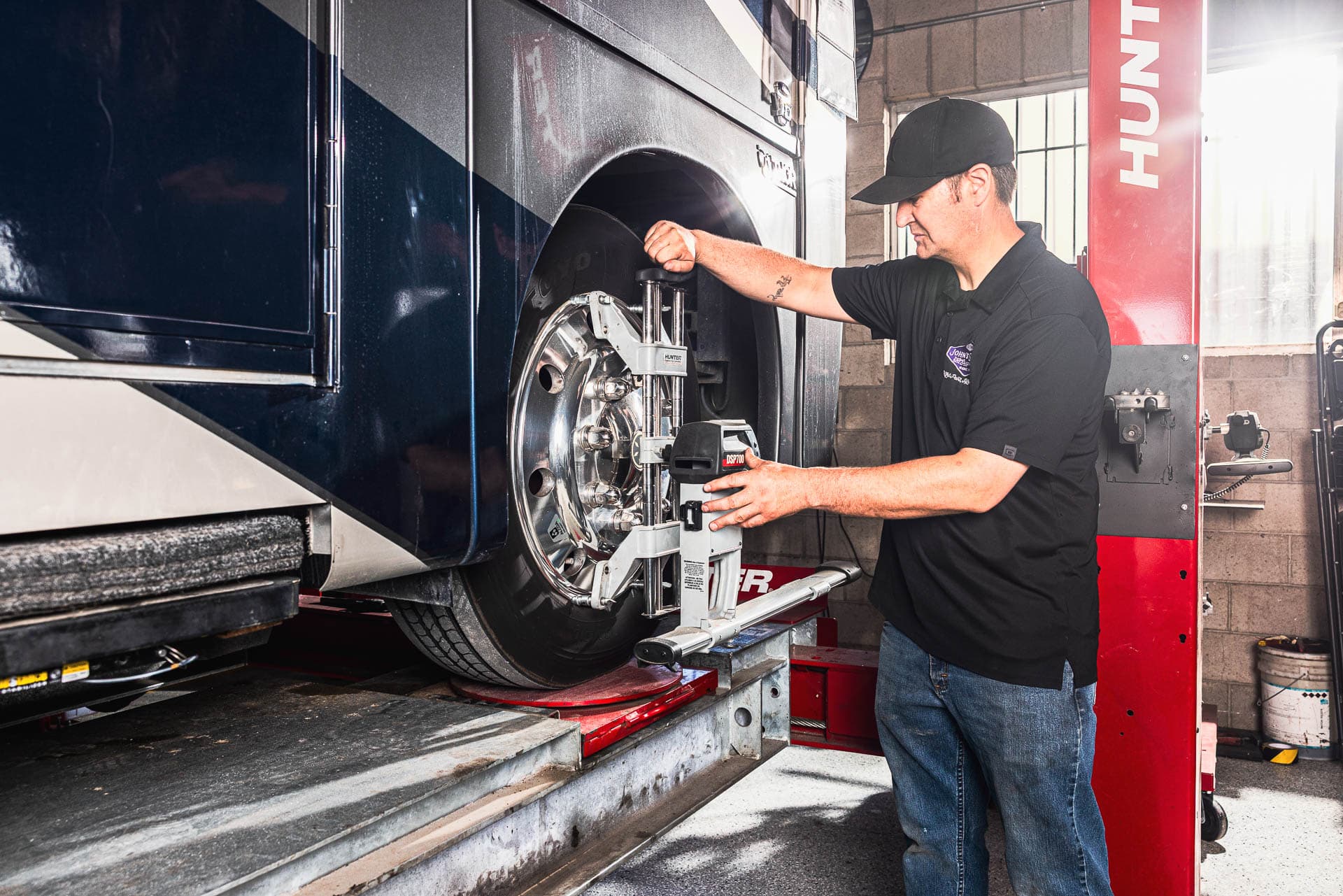
Maintaining correct tire pressure and scheduling regular alignment checks can help identify issues early, but worn tie rod ends must be replaced to fully restore proper alignment and prevent ongoing damage.
When Is It Time to Replace Your Tie Rods to Prevent Costly Downtime?
Knowing when to replace your tie rods is essential for avoiding unexpected failures and expensive repairs. Ignoring tie rod end symptoms can result in severe steering issues, putting both drivers and equipment at risk.
Consider replacement when:
- Excessive play is detected during inspection
- Persistent steering wander affects control
- Uneven tire wear continues despite alignment
- Visible damage appears during a visual inspection
Proactive maintenance is always a good idea, especially for fleets that depend on consistent performance. Replacing a failing tie rod early is far more cost-effective than dealing with a complete steering system failure.
Trust John’s Spring and Suspension for Reliable Steering Inspections and Replacement Parts
At John’s Spring and Suspension, we understand how critical your steering system is to daily operations. Our team specializes in diagnosing tie rod end symptoms, identifying worn tie rod issues, and providing durable replacement solutions designed for heavy-duty performance. From thorough inspections to high-quality parts, we ensure your truck remains safe, aligned, and ready for the road. Contact us today!